 By
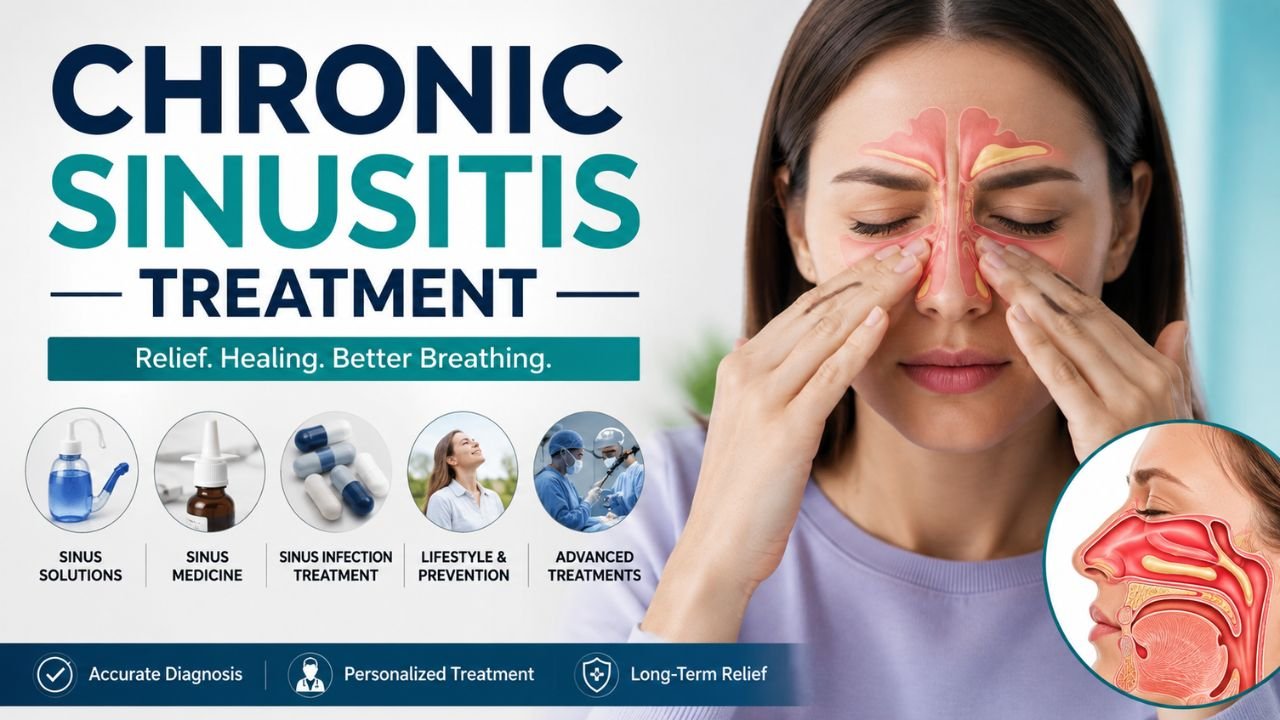
By Do you frequently suffer from a blocked nose, facial pressure, headaches, postnasal drip, or difficulty breathing through your nose? If these symptoms continue for more than 12 weeks, you may be dealing with chronic sinusitis. Unlike a temporary sinus infection that resolves within a few weeks, chronic sinusitis is a long-lasting inflammatory condition that affects the lining of the sinuses and nasal passages. It is also known as rhinosinusitis and can significantly impact sleep, productivity, and overall quality of life. Chronic Sinusitis Treatment depends on the underlying cause, severity of symptoms, and the patient’s response to previous treatment.
Many people search for how to cure sinus permanently because recurring symptoms can be frustrating. While there is no single treatment that works for everyone, modern medicine offers several effective options for chronic sinusitis treatment. From medications and lifestyle changes to advanced surgical procedures, proper management can provide long-term relief.
In this guide, we will discuss causes, symptoms, diagnosis, treatment options, home remedies, and preventive strategies for chronic sinusitis.
What is Chronic Sinusitis?
The sinuses are air-filled spaces located behind the forehead, cheeks, eyes, and nose. Under normal circumstances, mucus drains freely through small openings into the nasal cavity. However, when these passages become inflamed or blocked, mucus accumulates, leading to infection, pressure, and discomfort.
Chronic sinusitis is diagnosed when symptoms persist for 12 weeks or longer despite treatment. It often involves ongoing inflammation rather than just an infection.
Read more about: Acute Myocardial Infarction Treatment | Black Fungus Treatment | Heart Disease | Low Blood Pressure Symptoms In Women
Acute vs Chronic Sinusitis
| Feature | Acute Sinusitis | Chronic Sinusitis |
| Duration | Less than 4 weeks | More than 12 weeks |
| Cause | Usually viral infection | Persistent inflammation, allergies, polyps |
| Symptoms | Sudden onset | Long-lasting or recurring |
| Treatment | Short-term care | Long-term management |
| Surgery Needed | Rarely | Sometimes required |
The right Chronic Sinusitis Treatment approach depends on whether the condition is caused by inflammation, allergies, nasal polyps, infection, or structural problems.
Common Causes of Chronic Sinusitis
Understanding the underlying cause is essential for successful chronic sinusitis treatment.
1. Nasal Polyps
Soft, non-cancerous growths inside the nasal passages can block sinus drainage and contribute to persistent inflammation.
2. Allergies
Environmental allergies can cause continuous swelling inside the nose, increasing the risk of rhinosinusitis.
3. Deviated Nasal Septum
A crooked nasal septum can narrow the sinus openings and prevent proper airflow.
4. Recurrent Infections
Repeated viral or bacterial infections may trigger ongoing sinus inflammation.
5. Air Pollution and Smoking
Exposure to smoke, dust, and pollutants irritates the nasal lining and worsens symptoms.
6. Immune System Disorders
Certain immune conditions can make individuals more prone to recurring sinus problems.
Identifying the cause early can help doctors choose the most appropriate Chronic Sinusitis Treatment and reduce recurring symptoms.
Symptoms of Chronic Sinusitis
The symptoms of chronic sinusitis often resemble a common cold but last much longer.
Common Symptoms
- Nasal congestion
- Thick nasal discharge
- Postnasal drip
- Facial pain or pressure
- Headaches
- Reduced sense of smell
- Bad breath
- Fatigue
- Ear fullness
- Sore throat
Recognizing these symptoms early can help patients seek appropriate Chronic Sinusitis Treatment before the condition begins to affect daily activities.
Symptom Severity Table
| Symptom | Mild | Moderate | Severe |
| Nasal blockage | Occasional | Frequent | Constant |
| Facial pressure | Mild discomfort | Daily pain | Severe pain |
| Postnasal drip | Occasional | Regular | Persistent |
| Loss of smell | Partial | Significant | Complete |
| Headaches | Rare | Frequent | Daily |
How is Chronic Sinusitis Diagnosed?
Proper diagnosis is crucial before starting chronic sinusitis treatment. An accurate diagnosis helps an ENT specialist develop a personalized Chronic Sinusitis Treatment plan based on the patient’s symptoms and underlying condition.
Medical History and Examination
An ENT specialist reviews symptoms, duration, allergy history, and previous treatments.
Nasal Endoscopy
A thin camera is inserted into the nasal passages to examine inflammation, polyps, and blockage.
CT Scan
A CT scan provides detailed images of the sinuses and helps identify structural abnormalities.
Allergy Testing
If allergies are suspected, testing may identify triggers contributing to rhinosinusitis.
Sinus Test Options
The results of these tests can help determine which Chronic Sinusitis Treatment options are most appropriate.
| Sinus Test | Purpose |
| Nasal Endoscopy | Examine sinus openings |
| CT Scan | Detect blockage and anatomy |
| Allergy Test | Identify allergic triggers |
| Culture Test | Identify infection cause |
A proper chronic sinusitis treatment test helps doctors create a personalized treatment plan.
Chronic Sinusitis Treatment Options
The primary goal of chronic sinusitis treatment is to reduce inflammation, improve drainage, and prevent recurrence.
1. Saline Nasal Irrigation
Saline rinses help clear mucus, allergens, and irritants from the nasal passages. Regular use is one of the most effective sinus solutions for symptom management.
Benefits
- Improves drainage
- Reduces congestion
- Removes allergens
- Supports healing
2. Nasal Corticosteroid Sprays
Nasal steroid sprays reduce inflammation inside the nose and sinuses. They are commonly prescribed as part of chronic sinusitis treatment.
Examples include:
- Fluticasone
- Mometasone
- Budesonide
These medications work best when used consistently.
3. Sinus Medicine
Various forms of sinus medicine may be recommended depending on the underlying cause.
Common Medications
| Medication Type | Purpose |
| Antihistamines | Control allergies |
| Nasal Steroids | Reduce inflammation |
| Decongestants | Relieve blockage |
| Pain Relievers | Reduce discomfort |
| Biologics | Treat severe cases with polyps |
The choice of sinus medicine depends on the patient’s symptoms and overall health.
4. Sinus Infection Treatment
When a bacterial infection is present, sinus infection treatment may involve antibiotics. However, antibiotics are not always required because many sinus problems are caused by inflammation rather than bacterial infection.
When Antibiotics May Be Needed
- Persistent symptoms
- Confirmed bacterial infection
- Severe facial pain
- Thick discolored discharge
Appropriate sinus infection treatment should always be guided by a healthcare professional.
5. Allergy Management
Since allergies often contribute to rhinosinusitis, treating allergic triggers can significantly improve symptoms.
Methods include:
- Avoiding allergens
- Antihistamine medication
- Allergy shots (immunotherapy)
Immunotherapy may help patients whose sinus inflammation is triggered by allergies.
6. Biologic Therapy
For severe chronic sinusitis associated with nasal polyps, biologic medications may be considered. These advanced treatments target specific inflammatory pathways and may reduce polyp size and congestion.
Effective Chronic Sinusitis Treatment may include medication, saline irrigation, allergy management, biologic therapy, lifestyle changes, or surgery when necessary.
Read more about: Bug in Monitor | Perplexity Comet | What is Manus AI? | Context7 AI | Browser Use AI | Dell Display Problem
How to Cure Sinus Permanently
One of the most common questions patients ask is how to cure sinus permanently.
The truth is that chronic sinus disease often requires long-term management. The possibility of permanent relief depends on the underlying cause.
Situations Where Long-Term Relief is Possible
| Cause | Potential Outcome |
| Allergies | Improved with allergy treatment |
| Deviated Septum | Corrected surgically |
| Nasal Polyps | Managed medically or surgically |
| Chronic Inflammation | Controlled with medication |
Instead of focusing solely on how to cure sinus permanently, patients should aim for sustained symptom control and prevention of recurrence.
How to Cure Sinus Permanently at Home
Many people search for how to cure sinus permanently at home, hoping for natural solutions.
While home remedies may not completely eliminate chronic disease, they can help manage symptoms.
Effective Home Remedies
- Steam Inhalation: Warm steam helps loosen mucus and improve drainage.
- Saline Irrigation: One of the best home-based sinus solutions for daily symptom management.
- Stay Hydrated: Drinking plenty of water keeps mucus thinner and easier to drain.
- Warm Compresses: Applying warm compresses over the face may reduce sinus pressure.
- Humidification: Adding moisture to dry indoor air can help reduce irritation.
Although these measures help, how to cure sinus permanently at home remains difficult when structural issues or severe inflammation are present.
Sinus Treatment in Ayurveda
Interest in sinus treatment in ayurveda has grown significantly in recent years.
Traditional Ayurvedic approaches may include:
- Herbal formulations
- Steam therapies
- Dietary modifications
- Nasal cleansing practices
Some patients combine sinus treatment in ayurveda with conventional medical care. However, scientific evidence varies, and it is advisable to consult a qualified healthcare professional before starting any alternative treatment.
Surgical Treatment for Chronic Sinusitis
When medications fail to provide adequate relief, surgery may be recommended.
Functional Endoscopic Sinus Surgery (FESS)
FESS is a minimally invasive procedure that improves sinus drainage by removing blockages and enlarging sinus openings.
Benefits of Surgery
- Better breathing
- Reduced infections
- Improved sinus drainage
- Enhanced quality of life
When Surgery May Be Needed
| Condition | Surgery Considered? |
| Nasal Polyps | Yes |
| Deviated Septum | Yes |
| Refractory Chronic Sinusitis | Yes |
| Allergy Alone | Usually No |
Surgery is often considered when chronic sinusitis treatment with medications has not been successful.
Best Sinus Solutions for Long-Term Relief
The most effective sinus solutions usually involve combining several approaches.
Recommended Strategy
| Approach | Benefit |
| Saline Rinse | Clears mucus |
| Nasal Steroids | Reduces swelling |
| Allergy Control | Prevents flare-ups |
| Healthy Lifestyle | Supports recovery |
| Surgery When Needed | Corrects blockage |
Patients who follow a comprehensive management plan often experience substantial improvement.
Preventing Chronic Sinusitis
Prevention is an important part of successful chronic sinusitis treatment.
Prevention Tips
- Avoid smoking
- Treat allergies promptly
- Stay hydrated
- Wash hands regularly
- Use saline rinses
- Avoid pollutants
- Maintain indoor humidity
These measures can reduce flare-ups and support sinus health.
When to See an ENT Specialist
You should seek specialist evaluation if:
- Symptoms last longer than 12 weeks
- You experience recurring sinus infections
- Over-the-counter treatments fail
- You have severe facial pain
- Nasal blockage affects daily activities
An ENT specialist can perform a detailed sinus test, identify the underlying cause, and recommend the most appropriate chronic sinusitis treatment.
Conclusion
Chronic sinusitis is a persistent condition that can affect breathing, sleep, productivity, and overall well-being. Fortunately, modern chronic sinusitis treatment options offer effective ways to manage symptoms and improve quality of life. Whether through saline irrigation, nasal steroid sprays, allergy management, sinus medicine, advanced biologic therapy, or surgery, the right treatment depends on the underlying cause.
If you have been searching for how to cure sinus permanently, remember that long-term symptom control is often the most realistic goal. Early diagnosis, proper sinus infection treatment, and expert ENT care can help prevent complications and reduce recurrence. By combining medical care, lifestyle changes, and appropriate sinus solutions, most people can achieve significant and lasting relief from chronic sinusitis.
Also read: Green Dots on Laptop Screen | Why Is My Computer Screen Red Tinted? | Artifacting on Screen | Pressure Marks on Laptop Screen
Medical Disclaimer
This article on chronic sinusitis treatment is intended for general educational and informational purposes only. It should not be considered a substitute for professional medical advice, diagnosis, or treatment. Sinus symptoms can have different causes, and the appropriate treatment may vary from person to person. Do not start, stop, or change any medicine, antibiotic, nasal spray, or other treatment without consulting a qualified healthcare professional. If your symptoms are persistent, severe, recurring, or worsening, consult an ENT specialist for proper evaluation and personalized treatment.
Frequently Asked Questions
Q1: What is the best chronic sinusitis treatment?
Treatment usually includes saline rinses, nasal steroid sprays, allergy management, and sometimes surgery.
Q2: Is chronic sinusitis curable?
Some cases can achieve long-term remission, while others require ongoing management.
Q3: What is the most effective sinus medicine?
The best sinus medicine depends on the underlying cause and symptoms.
Q4: Can sinus infection treatment be done without antibiotics?
Yes. Many sinus infections improve without antibiotics, especially if they are not bacterial.
Q5: Is rhinosinusitis the same as chronic sinusitis?
Rhinosinusitis refers to inflammation involving both the nose and sinuses. Chronic sinusitis is a form of chronic rhinosinusitis.
Q6: Can surgery permanently fix sinus problems?
Surgery can provide long-term relief for many patients but may not prevent all future symptoms.
Q7: How to cure sinus permanently at home?
Home remedies can relieve symptoms, but they may not completely eliminate chronic disease.
Q8: Is sinus treatment in ayurveda effective?
Some patients find relief, but evidence varies and should complement, not replace medical care.