 By
Maintaining excellent health, controlling body weight, and promoting long-term wellness all depend on eating a balanced diet. Learning how to Prepare a Balanced Diet Chart helps you make the right food choices, follow suitable meal schedules, and include essential nutrients in your daily routine. A well-planned Prepare a Balanced Diet Chart should include carbohydrates, proteins, healthy fats, vitamins, minerals, fibre, and water in the right proportions. Whether you are a student, working professional, homemaker, or elderly person, knowing how to Prepare a Balanced Diet Chart can make healthy eating easier and more sustainable. Indian foods such as dal, roti, rice, seasonal fruits, vegetables, curd, paneer, eggs, and almonds can help you create a nutritious and affordable diet plan.
Nutrition and lifestyle management are crucial for individuals managing diabetes and metabolic health issues at Dharma Diabetes & Metabolic Clinics. A customised approach to Prepare a Balanced Diet Chart considers individual health conditions, food preferences, physical activity levels, and nutritional requirements. Choosing appropriate food portions and following regular meal timings can support better eating habits. This guide explains how to Prepare a Balanced Diet Chart using practical Indian food options, essential nutrients, and a seven-day meal plan. It also shares useful tips to Prepare a Balanced Diet Chart for better metabolic health, weight management, and daily nutrition. Understanding how to Prepare a Balanced Diet Chart can help you make informed food choices and build healthier eating habits.
1. What Is a Balanced Diet and Why Is It Important?
Proper nutrition is the foundation of a healthy lifestyle, and creating a balanced diet chart can help to organise and improve daily eating habits. A balanced diet gives the body the necessary nutrients in the proper amounts to support general health, sustain vitality, and control body weight. Include several dietary groups, such as whole grains, fresh fruits, green vegetables, pulses, foods high in protein, dairy products or appropriate substitutes, nuts, and healthy fats, when creating a balanced diet chart. Making better food choices and maintaining nutritional balance without relying solely on one type of food is another benefit of knowing how to create a balanced diet chart.
The primary goal of meal planning is to incorporate enough calories, proteins, carbs, vitamins, minerals, and healthy fats in accordance with each person’s nutritional needs. Organising breakfast, lunch, supper, and wholesome snacks throughout the day is made simpler by understanding how to create a balanced diet chart. Variety and moderation are crucial since each dietary group supports various bodily functions. People can enhance their total nutritional intake, manage portion sizes, and form sustainable eating habits with the support of a well-planned routine. People can design a workable daily meal plan that fits their lifestyle, degree of activity, and individual health objectives by learning how to prepare a balanced diet chart.
Major Benefits of a Balanced Diet
1. Supports Energy Levels
Proteins, lipids, and carbs provide the energy needed for daily tasks. Maintaining energy levels, enhancing physical performance, and promoting general health are all facilitated by incorporating nutrient-rich foods into your daily meals while creating a balanced diet chart. To meet daily nutritional needs, a well-planned Prepare a Balanced Diet Chart should include foods high in protein, healthy fats, and carbohydrates. People may choose wholesome meals, control portion sizes, and sustain steady energy levels throughout the day by knowing how to create a balanced diet chart. People can cultivate better eating habits and promote long-term wellness by adhering to a well-planned Prepare a Balanced Diet Chart.
2. Supports Healthy Weight Management
Meals high in protein and fibre are crucial for controlling daily food consumption and sustaining feelings of fullness. Protein-rich and fiber-rich meals can help regulate hunger, enhance digestion, and promote healthy weight management when you create a balanced diet chart. A well-thought-out Prepare a Balanced Diet Chart helps people avoid consuming too many calorie-dense meals while incorporating necessary nutrients in the appropriate amounts. People may control portion sizes, choose healthier foods, and stick to a balanced eating schedule by learning how to create a balanced diet chart.
3. Supports Heart Health
Cardiovascular health is supported by eating more fruits, vegetables, whole grains, nuts, and pulses while consuming less salt and bad fats. A well-thought-out strategy for creating a balanced diet chart can promote heart-healthy eating practices.
4. Helps Maintain Blood Sugar Levels
By selecting balanced meals, fiber-rich carbs, and sensible portion sizes, blood glucose regulation can be enhanced. To promote healthy blood sugar levels, it’s critical to incorporate veggies, whole grains, high-fiber foods, and nutrient-rich meals while creating a balanced diet chart. People can control their daily carbohydrate intake and choose healthier foods with the aid of a well-planned Prepare a Balanced Diet Chart. When creating a balanced diet chart, take into account each person’s unique nutritional needs and allocate carbohydrates wisely throughout the day. Maintaining regular eating patterns and promoting improved general health can also be achieved by learning how to create a balanced diet chart.
5. Supports Immunity
A strong immune system is mostly supported by protein, vitamins, minerals, and other vital nutrients. Incorporating a range of nutrient-dense foods, such as fruits, vegetables, whole grains, legumes, nuts, and meals high in protein, into a balanced diet chart facilitates the body’s absorption of vital nutrients. Nutrient absorption and general wellness are supported by a well-planned Prepare a Balanced Diet Chart. Make sure your regular meals include enough vitamins, minerals, proteins, and fibre while you create a balanced diet chart. People can improve their nutritional balance and adopt healthy eating habits by learning how to create a balanced diet chart.
6. Supports Digestive Health
Regular bowel movements and digestive health are greatly aided by dietary fibre from fruits, vegetables, legumes, and whole grains. Including foods high in fibre and drinking enough water while creating a balanced diet chart will enhance digestion and preserve a healthy digestive tract. To promote regular bowel movements, a well-planned Prepare a Balanced Diet Chart should include fresh fruits, green vegetables, whole grains, and pulses. Making a balanced diet chart also helps people make healthy food choices, keep adequate water, and enhance intestinal health. People can promote overall digestive wellbeing and adopt healthy eating habits by adhering to a well-planned Prepare a Balanced Diet Chart.
Read more about: 25 Sustainable Living Tips to Build an Eco-Friendly Lifestyle in 2026 | 10 Simple Healthy Lifestyle Habits | Healthy Lifestyle | Benefits of Walking Daily
2. Essential Nutrients Required for a Healthy Diet
Before you prepare a balanced diet chart, understand the six major nutritional components required by the body.
A. Carbohydrates
An essential source of energy is carbohydrates. Rice, wheat, oats, millets, potatoes, fruits, and legumes all contain them.
Choose nutrient-dense sources of carbohydrates like:
- Rotis made from whole wheat
- Brown rice
- Oats
- Ragi
- Jowar
- Whole grains of Bajra
Individual blood glucose response, portion sizes, and the quality of carbohydrates should all be taken into account by those with diabetes.
B. Proteins
Protein helps with growth, tissue repair, muscle upkeep, and a number of other vital bodily processes.
- Excellent sources of protein include:
- Lentils and Dal
- Chickpeas and Rajma
- Paneer curd and milk
- Eggs
- Fish and Chicken
- Soybeans and tofu
Nutritional balance can be enhanced by incorporating an appropriate protein source into main meals.
C. Healthy Fats
Fats aid in the synthesis of hormones, the operation of cells, and the absorption of fat-soluble vitamins.
Among the healthy sources are:
- Almonds
- Walnuts
- Flaxseeds
- Chia seeds
- Groundnuts
- Mustard oil
- Olive oil
Reduce your intake of trans fats, fried foods, and foods high in saturated fats.
D. Vitamins
Vitamins support immunity, vision, bone health, metabolism and other bodily processes.
| Vitamin | Food sources | Main function |
| Vitamin A | Carrots, spinach | Supports vision |
| Vitamin B12 | Dairy, eggs, fish | Supports nerve and blood cell health |
| Vitamin C | Amla, guava, citrus fruits | Supports immunity and collagen formation |
| Vitamin D | Fortified foods, fatty fish | Supports bone health |
| Vitamin E | Nuts and seeds | Antioxidant function |
| Vitamin K | Green leafy vegetables | Supports blood clotting |
E. Minerals
- Minerals are necessary for the growth of bones, the movement of oxygen, the operation of muscles, and the maintenance of fluid balance.
- Important minerals consist of:
- Ragi, curd, and milk all contain calcium.
- Beans, lentils, and green vegetables are good sources of iron.
- Potassium: Pulses, vegetables, and bananas.
- Whole grains, nuts, and seeds contain magnesium.
- Legumes, seeds, and dairy products are sources of zinc.
F. Water and Dietary Fibre
Digestion, circulation, temperature regulation, and nutrient delivery are all aided by water.
In addition to promoting digestive health, fibre can help with blood glucose regulation and fullness. Regularly consume fruits, vegetables, whole grains, legumes, and seeds.
3. How to Make a Balanced Diet Chart Step by Step
Many people are interested in learning how to create a balanced diet chart that satisfies their lifestyle and daily nutritional demands. Individual dietary needs, food availability, current medical conditions, and personal food preferences should all be taken into account when creating a balanced diet chart. Essential elements including carbs, proteins, healthy fats, vitamins, minerals, and fibre should be included in the right amounts in a well-planned Prepare a Balanced Diet Chart. People may plan daily meals, choose healthier foods, and keep regular eating habits by learning how to create a balanced diet chart. Additionally, a customised Prepare a Balanced Diet Chart assists nutritional balance, long-term wellness, and general health.
To efficiently create a balanced diet chart, follow these useful tips.
Step 1: Identify Your Nutritional Requirements
Knowing how much energy and nourishment your body need each day is crucial when creating a balanced diet chart. The number of calories needed per day depends on a number of factors, including:Gender and age
Body weight and heightPhysical activity and exercise
Present health issues
Objectives for managing weight
An energetic person might need more calories than someone who leads a sedentary lifestyle, for instance. In a similar vein, the nutritional needs of youngsters, elderly people, and expectant mothers differ. Therefore, rather than using the same meal plan for everyone, take into account each person’s unique nutritional requirements while creating a balanced diet chart. Comprehending these elements facilitates the creation of a balanced diet plan that offers sufficient energy, vital nutrients, and encourages a healthy diet. Maintaining nutritional balance and supporting long-term health objectives can also be aided by a customised Prepare a Balanced Diet Chart.
Step 2: Add Various Food Groups
When creating a balanced diet chart, avoid relying just on meals high in carbohydrates, such as rice or roti. To guaranty that your body gets vital nutrients in the proper amounts, include a variety of food categories. The following should be included in a balanced and healthful diet chart:
Whole grains: For continuous nourishment and energy, go for whole grains.
Protein-rich meals and pulses: To promote tissue growth and repair, include lentils, beans, and other protein sources.
veggies: For fibre, vitamins, and minerals, include green veggies.
Fruits: As a source of vital micronutrients, include seasonal, fresh fruits.Dairy products: For calcium and protein, eat milk, curd, or appropriate substitutes.
Nuts and seeds: Include nuts and seeds to supply vital nutrients and good fats.
Combining these food groups in a balanced diet chart promotes general health and nutritional equilibrium. Additionally, a well-designed Prepare a Balanced Diet Chart promotes food diversity and better eating practices.
Step 3: Choose the Right Amounts
Because even nutrient-dense foods can contribute excessive calories when ingested in big quantities, portion proportions are crucial.
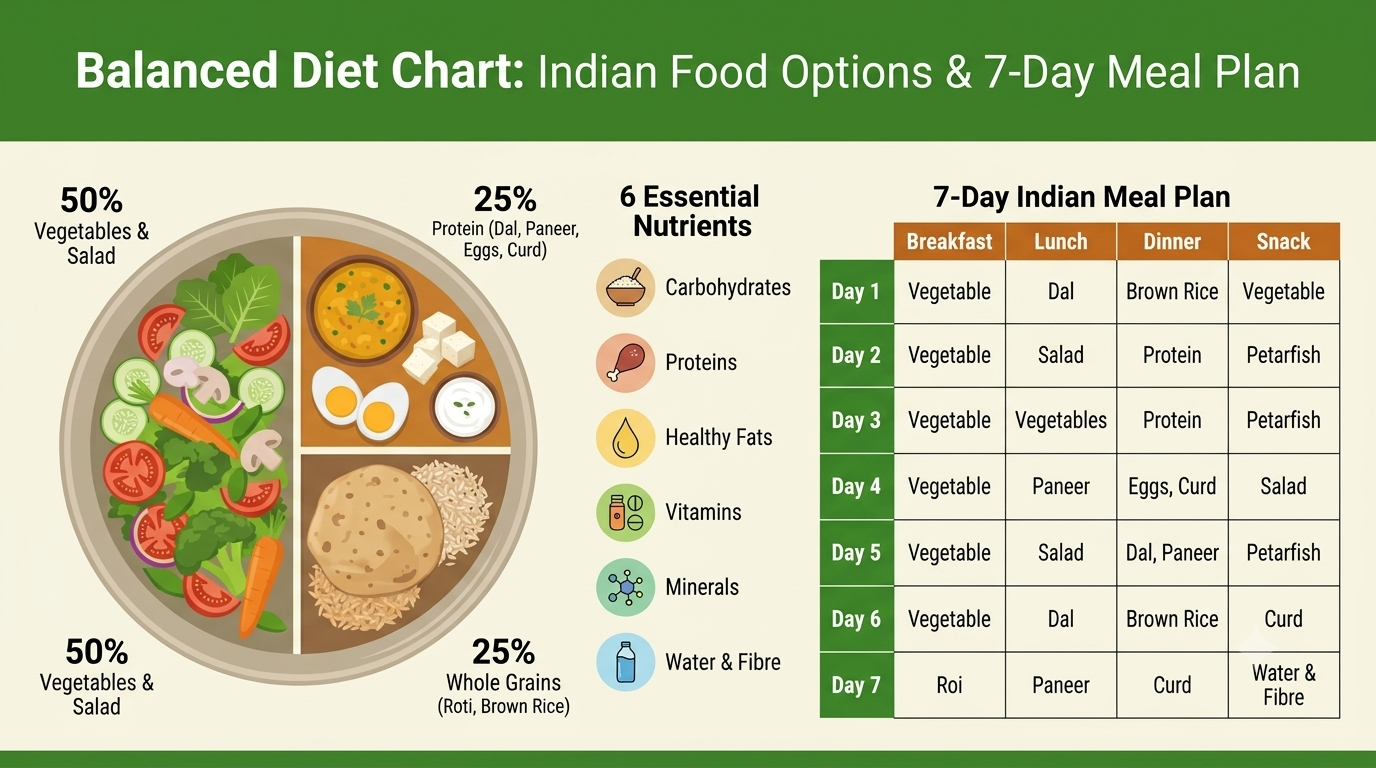
For many individuals, splitting a lunch or dinner plate into the following categories is a sensible place to start:
- Half salad and half veggies.
- 25% of foods high in protein.
- a quarter of whole grains or other types of carbohydrates.
- This is not a set prescription, but a flexible visual guidance.
Step 4: Schedule Your Meals
- Make an effort to stick to a regular eating schedule that fits your lifestyle.
- A workable timetable could consist of:
- 7:00–9:00 AM for breakfast
- Snack in the middle of the day: 10:30–11:30 AM
- Lunch is from 12:30 to 2:00 PM.
- Snack time in the evening: 4:00–5:30 PM
- Dinner is from 7:00 to 9:00 p.m.
The timing of meals should be modified to accommodate individual needs, medication regimens, and work schedules.
Step 5: Select Healthful Snacks
- Swap out packaged snacks for healthy options like these:
- Chana roasted
- Curd without added sugar
- Seasonal fruits that are fresh
- A tiny amount of nuts
- Sprouts
- Salad of vegetables
Step 6: Keep an eye on and modify your eating habits
Keep an eye on your digestion, hunger, energy levels, and health markers. As advised by their healthcare provider, people with diabetes may also check their blood glucose levels.
Read more about: How to Avoid Heart Attack | Chronic Sinusitis Treatment | Acute Myocardial Infarction Treatment | Angina Pectoris Drugs
4. Sample Indian Balanced Diet Chart for Daily Eating
If you want to prepare a balanced diet chart using familiar Indian foods, the following sample provides a convenient starting point.
| Meal | Suggested food options |
| Early morning | Water and a small portion of nuts, if desired |
| Breakfast | Vegetable poha, oats, besan chilla or vegetable dalia |
| Mid-morning | Guava, apple, orange or seasonal fruit |
| Lunch | 2 rotis or a suitable rice portion, dal, vegetables, salad and curd |
| Evening snack | Roasted chana, sprouts or unsweetened buttermilk |
| Dinner | Roti, paneer or dal, cooked vegetables and salad |
| Bedtime | Milk, if appropriate for individual dietary needs |
The portions should be adjusted according to calorie requirements, activity levels and medical conditions.
5. Seven-Day Balanced Diet Chart for Healthy Living
- By planning daily meals and preserving nutritional balance throughout the week, a seven-day meal plan facilitates the creation of a balanced diet chart. Making a balanced diet chart ahead of time can help make portion control, grocery shopping, and food preparation easier. To make sure your Prepare a Balanced Diet Chart satisfies your daily nutritional needs, include a range of Indian vegetarian and non-vegetarian food alternatives.
- The seven-day meal plan that follows is a straightforward illustration of how to create a balanced diet chart utilising wholesome, reasonably priced, and readily accessible Indian ingredients. This Prepare a Balanced Diet Chart can be tailored to your lifestyle, personal health requirements, and dietary choices.
Day 1: Healthful Indian Supper Plan
Start your day with wholesome meals that include vital vitamins, minerals, fibre, protein, and energy when you create a balanced diet chart. To meet daily nutritional needs and sustain a healthy lifestyle, a well-planned Prepare a Balanced Diet Chart should include fresh fruits, whole grains, veggies, and meals high in protein.
Breakfast: For fibre, protein, and vital nutrients, start your day with curd and veggie oats.
Eat one fresh guava as a midmorning snack to receive essential vitamins and dietary fibre.
For a well-balanced lunch, try whole wheat roti, dal, mixed vegetables, and cucumber salad.
For an evening snack, opt for roasted chana, which offers both fibre and protein.
Dinner is a wholesome meal of paneer bhurji, whole wheat roti, and fresh vegetable salad.
Incorporate several food groups and maintain suitable portion sizes in accordance with your nutritional requirements when creating a balanced diet chart. Maintaining nutritional balance, enhancing eating habits, and promoting general wellbeing can all be achieved by adhering to a well-planned Prepare a Balanced Diet Chart. To make healthy eating feasible and long-lasting, a healthy Prepare a Balanced Diet Chart should also offer variation in regular meals.
Day 2: Peanuts and vegetable poha for breakfast.
- Midmorning: One apple.
- Lunch is Rajma, which is a healthy serving of salad and rice.
- Buttermilk without sugar in the evening.
- Dinner consists of grilled chicken or tofu, whole wheat roti, and vegetable soup.
Day 3: Mint chutney and Besan chilla for breakfast.
- Seasonal fruit in the middle of the morning.
- Lunch consists of mixed veggie sabzi, roti, and chana dal.
- Evening: A tiny serving of walnuts and almonds.
- Dinner is curd and vegetable khichdi.
Day 4: Idli and sambar for breakfast.
- Mid-morning: Papaya or orange.
- Lunch consists of green veggies, brown rice, and dal.
- Salad with sprouts in the evening.
- Supper is grilled fish with veggies or paneer tikka.
Day 5: Curd and vegetable dalia for breakfast.
- Guava in the midmorning.
- Lunch consists of cucumber salad, roti, and rajma.
- Roasted makhana in the evening.
- Dinner is a salad of vegetables and moong dal chilla.
Day 6: Curd and multigrain vegetable paratha for breakfast.
- One seasonal fruit in the middle of the morning.
- Lunch consists of bhindi sabzi, mixed dal, and roti.
- Buttermilk with a tiny bit of nuts in the evening.
- Dinner is sautéed veggies with grilled chicken or tofu.
Day 7: Vegetable upma for breakfast.
- Apple or pear in the middle of the morning.
- Lunch consists of cucumber raita, dal, and vegetable pulao.
- Roasted chickpeas in the evening.
- Dinner is roti, green veggies, and either paneer curry or dal.
Important: This is not a customised therapeutic diet; rather, it is an example meal plan for generally healthy persons. Different ingredients and quantities may be needed for people with diabetes, kidney illness, food allergies, or other medical issues.
6. Balanced Diet Chart for Different Age Groups
As a person ages, their nutritional needs alter. Therefore, it’s crucial to take into account things like age, physical activity, growth, and general health conditions while creating a balanced diet chart. A customised Prepare a Balanced Diet Chart makes sure that the body gets the nutrients it needs. As you create a balanced diet chart, modify daily meals, food selections, and portion sizes to accommodate evolving dietary needs. Maintaining energy levels, fostering long-term wellness, and supporting healthy growth can all be achieved by adhering to a well-planned Prepare a Balanced Diet Chart.
Children
For proper growth and development, children require enough energy, protein, calcium, iron, vitamins, and other necessary minerals. When creating a balanced diet plan for kids, concentrate on giving them nutrient-dense meals that promote their general health, mental development, and physical growth.
Children’s healthful Prepare a Balanced Diet Chart should include of the following:
Dairy or Milk Substitutes: Use milk, curd, or appropriate calcium and protein substitutes.Seasonal Fruits: To add fibre, vitamins, and minerals, include fresh seasonal fruits.
veggies: For vital nutrients and intestinal health, include a variety of veggies.
Beans and Dal: Offer dietary fibre, iron, and plant-based protein.
Whole Grains: For energy, include whole wheat, oats, and other whole grains.Eggs and Protein Sources: Include eggs, paneer, lentils, or other appropriate meals high in protein.
Make sure your growing children’s meals are age-appropriate, diverse, and nutritious when creating a balanced diet chart. A well-thought-out Prepare a Balanced Diet Chart can support good eating practices and assist in meeting their evolving nutritional needs.
Restrictive diets shouldn’t be followed by kids unless a licensed healthcare provider recommends them. Without needless dietary limitations, a customised Prepare a Balanced Diet Chart should promote healthy growth.
Teenagers
Physical development happens quickly during adolescence. Iron, calcium, protein, and other vital nutrients are especially crucial.
Breakfast, a balanced lunch, wholesome snacks, and dinner should all be part of a healthy eating schedule.
Adults
Maintaining energy balance, muscle fitness, digestive function, and cardiovascular health should be adults’ top priorities.
Add enough protein, whole grains, fruits, veggies, and healthy fats.
Senior Citizens
Protein consumption, calcium, vitamin D, hydration, and digestive health may require extra care for older persons.
Additionally, food texture, hunger, drug interactions, and current medical conditions should be taken into account.
7. Balanced Diet Chart for People with Diabetes
People with diabetes need a healthy eating pattern that supports blood glucose management while providing adequate nutrition. Learning how to Prepare a Balanced Diet Chart can help individuals with diabetes make informed food choices, manage carbohydrate intake, and maintain consistent eating habits.
At Dharma Diabetes & Metabolic Clinics, dietary planning plays an important role in comprehensive diabetes and metabolic health management. A personalised Prepare a Balanced Diet Chart approach can help individuals understand their nutritional requirements and choose suitable meals according to their health conditions.
When you Prepare a Balanced Diet Chart for diabetes, consider these practical guidelines:
- Choose fibre-rich foods such as vegetables and whole grains.
- Include protein-rich foods such as pulses, eggs, and paneer.
- Monitor carbohydrate portions and distribute them throughout the day.
- Prefer whole fruits over fruit juices.
- Avoid excessive consumption of sugary drinks and highly processed foods.
- Maintain appropriate meal portions according to individual nutritional needs.
A properly planned Prepare a Balanced Diet Chart can support better eating habits and help manage daily nutritional intake. Consult a qualified healthcare professional to Prepare a Balanced Diet Chart according to your blood glucose levels, medications, and individual health requirements.
Choose High-Fibre Foods
Include vegetables, pulses, legumes and whole grains to improve dietary fibre intake.
Control Carbohydrate Portions
Rice, roti, bread, potatoes and fruits contain carbohydrates. Pay attention to portions and their effect on blood glucose.
Include Protein Sources
Dal, paneer, tofu, eggs, fish and chicken can help create more balanced meals.
Limit Sugary Drinks
Reduce regular consumption of soft drinks, sweetened beverages and packaged fruit drinks.
Maintain Meal Consistency
People taking insulin or certain glucose-lowering medicines may need specific meal timing and carbohydrate consistency to reduce the risk of hypoglycaemia.
There is no single diabetes diet suitable for everyone. A dietitian or diabetes specialist can help adjust the meal plan according to medication, glucose readings, weight and individual preferences.
8. Balanced Diet Chart for PCOS and Metabolic Health
In certain people, insulin resistance may be linked to Polycystic Ovary Syndrome (PCOS), a hormonal and metabolic disorder. Maintaining nutritional balance, promoting better eating habits, and supporting metabolic health can all be achieved by learning how to create a balanced diet chart. Nutrient-rich foods that offer sufficient fibre, protein, vitamins, minerals, and healthy fats should be included in a well-planned Prepare a Balanced Diet Chart for PCOS.
Focus on whole grains, green veggies, legumes, nuts, seeds, unsweetened dairy products, and fresh whole fruits when creating a balanced diet chart for PCOS. A customised Prepare a Balanced Diet Chart can also assist people in selecting foods that are appropriate for their lifestyle, health objectives, and nutritional needs. Better dietary management and long-term wellness may be supported by adhering to a carefully thought-out Prepare a Balanced Diet Chart.
When you Prepare a Balanced Diet Chart for someone with PCOS, consider including the following foods:
- Fibre-rich vegetables: Include green vegetables and other fibre-rich options to support digestive and metabolic health.
- Whole grains: Choose whole grains in appropriate portions to provide energy and fibre.
- Protein-rich foods: Include pulses, lentils, eggs, and other suitable protein sources.
- Seeds and nuts: Add almonds, walnuts, chia seeds, and flaxseeds for healthy fats and nutrients.
- Unsweetened dairy products: Choose plain milk, curd, or other suitable dairy options.
- Whole fruits: Prefer fresh whole fruits instead of consuming excessive amounts of fruit juice.
A sustainable Prepare a Balanced Diet Chart should avoid unnecessary food restrictions and extreme weight-loss approaches. Instead, focus on balanced meals, appropriate portion sizes, and individual nutritional requirements. Following a personalised Prepare a Balanced Diet Chart can help establish consistent eating habits and support long-term wellness.
People with PCOS may benefit from consulting a qualified nutritionist and healthcare professional to Prepare a Balanced Diet Chart according to their individual health goals, nutritional needs, and medical requirements.Consultation with a certified nutritionist and medical expert may be beneficial for people with PCOS.
9. Balanced Diet Nutrients Chart: Food Groups and Their Functions
A balanced diet nutrients chart makes it easier to understand the nutritional value of different foods.
| Nutrient | Food sources | Role in the body |
| Carbohydrates | Rice, wheat, oats | Energy production |
| Protein | Dal, eggs, paneer | Growth and tissue repair |
| Healthy fats | Nuts, seeds | Cell and hormone functions |
| Fibre | Vegetables, fruits, pulses | Digestive health |
| Calcium | Milk, curd, ragi | Bone and muscle health |
| Iron | Beans, leafy vegetables | Haemoglobin production |
| Vitamin C | Amla, guava | Collagen formation |
| Vitamin D | Fortified foods, fish | Calcium absorption |
| Potassium | Fruits, vegetables | Normal muscle function |
10. Simple Tips to Maintain a Healthy Diet Routine
Creating a diet plan is only the beginning. Following healthy habits consistently is equally important.
Plan Your Meals in Advance
Prepare a weekly grocery list and decide your meals before the week begins. This can reduce dependence on convenient but less nutritious foods.
Prefer Home-Cooked Meals
Home cooking allows better control over ingredients, cooking methods, oil and salt.
Eat More Vegetables
Include different coloured vegetables in your meals. Green leafy vegetables, carrots, gourds, beans and cauliflower are useful options.
Stay Hydrated
Drink water regularly throughout the day. Individual fluid requirements vary according to weather, activity, health and medical conditions.
Reduce Excess Salt and Added Sugar
Limit packaged snacks, sugary drinks, highly salted foods and frequently consumed sweets.
Practise Mindful Eating
Eat slowly, recognise hunger and fullness signals, and avoid unnecessary distractions during meals.
Combine Nutrition With Physical Activity
Regular physical activity supports cardiovascular health, muscle strength and metabolic function. Adults should aim for appropriate weekly physical activity according to their health and fitness levels.
11. Common Mistakes to Avoid While Preparing a Diet Plan
- Even those who are knowledgeable about nutrition may find it difficult to eat healthily at times. Avoiding frequent dietary errors that could impact energy levels, nutritional balance, and general health is crucial when creating a balanced diet chart.
- Missing Meals Unnecessarily: Avoid missing meals without a valid reason because irregular eating habits can impact blood glucose control and appetite, especially for those on diabetic medication.
- Removing Entire Food categories: Instead of adhering to pointless dietary limitations that could result in nutritional deficiencies, incorporate a variety of food categories when creating a balanced diet chart.
- Eating Too Much of One Food: Nutrient intake can be restricted by eating a small number of carefully chosen foods. A balanced diet chart that promotes health should include a range of foods.
- Relying only on Supplements: Supplements should only be taken as directed by a healthcare provider. They shouldn’t take the place of a varied and healthful diet.
- Ignoring Portion Sizes: It’s important to eat healthful foods in moderation. To preserve nutritional balance, take portion sizes into account while creating a balanced diet chart.
- Adhering to Extreme Diets: Extremely restrictive eating regimens may not offer enough nutrition and might be challenging to stick to. Instead, create a balanced diet chart that encourages sustainable eating practices.
- Ignoring Current Medical Conditions: Individual dietary needs may be impacted by conditions like diabetes and kidney illness. When creating a balanced diet chart, always take medical needs into account.
- Ignoring Individual Nutritional Needs: Depending on age, degree of exercise, and medical problems, each person has unique nutritional needs. These requirements can be met with the aid of a customised Prepare a Balanced Diet Chart.
- You can create a balanced diet chart that supports long-term wellbeing, encourages healthy eating habits, and supplies vital nutrients by avoiding these typical blunders.
12. Why Choose Professional Nutrition Guidance?
Individual nutritional requirements can vary significantly depending on age, lifestyle, medical history, and health goals. Although general dietary guidelines are helpful, professional guidance can make it easier to Prepare a Balanced Diet Chart that meets specific nutritional needs. An expert nutritionist can evaluate several factors before recommending a personalised meal plan.
An expert nutrition consultation can help assess:
- Current Eating Patterns: Understand daily food choices and eating habits.
- Body Composition and Weight: Evaluate body weight and nutritional requirements.
- Metabolic Markers and Blood Glucose: Understand blood sugar levels and metabolic health.
- Medical History: Identify existing health conditions that may influence dietary needs.
- Food Allergies and Preferences: Select suitable foods according to individual requirements.
- Exercise and Physical Activity: Adjust daily nutritional intake according to activity levels.
- Individual Health Goals: Develop a practical approach to achieving specific wellness objectives.
When you Prepare a Balanced Diet Chart, considering these factors can help create a sustainable and nutritious eating routine. Professionals at Dharma Diabetes & Metabolic Clinics focus on diabetes and metabolic health, helping individuals understand appropriate food choices, meal portions, and long-term lifestyle modifications.
With professional support, individuals can Prepare a Balanced Diet Chart that considers their nutritional requirements, blood glucose management, and overall health goals. A personalised Prepare a Balanced Diet Chart can also encourage consistent eating habits and better nutritional balance.
If you have diabetes, PCOS, prediabetes, or any metabolic condition, consult a qualified healthcare professional before making significant dietary changes. Expert guidance can help you Prepare a Balanced Diet Chart that is appropriate for your medical condition and long-term wellness.
Conclusion
A crucial first step in creating wholesome eating habits and preserving long-term heath is learning how to create a balanced diet chart. Carbohydrates, proteins, healthy fats, vitamins, minerals, dietary fibre, and enough water to meet daily nutritional needs should all be included in a well-planned Prepare a Balanced Diet Chart. Maintaining energy levels, supporting digestion, and advancing general health can all be achieved by adhering to a nutrient-dense Prepare a Balanced Diet Chart.
Common items like dal, roti, rice, green vegetables, seasonal fruits, curd, paneer, eggs, and almonds can be included in an Indian Prepare a Balanced Diet Chart. Maintaining dietary variety, selecting sensible portion sizes, and tailoring meals to each person’s nutritional needs are all essential components of a balanced meal plan. Make sure your daily meals offer a variety of vital nutrients rather than relying on a small number of food groups when creating a balanced diet chart.
For those who wish to create a balanced diet chart and enhance their everyday eating habits, this seven-day meal plan offers a useful beginning point. It shouldn’t, however, take the place of customised nutritional advice. Certain dietary modifications may be necessary for people with diabetes, PCOS, and other metabolic disorders. As a result, it’s critical to create a balanced diet chart based on each person’s unique health circumstances, degree of exercise, and nutritional requirements.
Dharma Diabetes & Metabolic Clinics’ expert advice can assist people in comprehending their dietary needs, making wise food selections, and creating long-lasting eating habits. People can create a balanced diet chart that supports long-term metabolic health and improves nutritional balance with professional assistance.
Healthy eating can become more realistic, consistent, and long-lasting with a customised approach to creating a balanced diet chart.Frequently Asked Questions (FAQs)
1. How do I prepare a balanced diet chart at home?
Determine your calorie and nutritional needs first. Add entire grains, fruits, vegetables, legumes, foods high in protein, dairy products or substitutes, and healthy fats. Adapt servings to your age, level of activity, and medical problems.
2. What foods should be included in a daily balanced diet chart?
Roti, rice, dal, seasonal fruits, vegetables, curd, paneer, eggs, almonds, and seeds can all be included in a regular food plan. To get a variety of vital nutrients, choose a variety of foods.
3. What is the best time to eat meals during the day?
Your daily routine, medical issues, and prescription schedule all affect when you eat. It can be beneficial to keep mealtimes consistent, especially for those who are managing diabetes.
4. Can a balanced diet help with weight management?
Yes. Healthy weight management can be supported by a diet rich in fibre, protein, and appropriate amounts. Physical activity, sleep, and personal health factors all affect the outcome.
5. What is the difference between a balanced diet and a normal diet?
Through a range of food groups, a balanced diet offers the right amounts of various nutrients. There may not always be enough nutritional variety or appropriate portions in a typical eating routine.
6. Is a vegetarian diet sufficient for good health?
Yes. Pulses, beans, dairy, soy products, nuts, seeds, whole grains, fruits, and vegetables can all contribute vital nutrients to a well-planned vegetarian diet. Iron and vitamin B12 consumption may need special consideration.
7. Can people with diabetes follow a balanced diet chart?
Yes. A balanced diet that takes into account blood glucose levels, fibre, protein, carbohydrate quantities, and medicine can help people with diabetes. Dietary recommendations for each individual are advised.
8. Should I consult a dietitian before following a diet chart?
If you have diabetes, PCOS, kidney illness, food allergies, or other medical concerns, speaking with a trained dietician can be very beneficial. A specialist can assist in developing a meal plan that meets your dietary needs and health objectives.