
 By
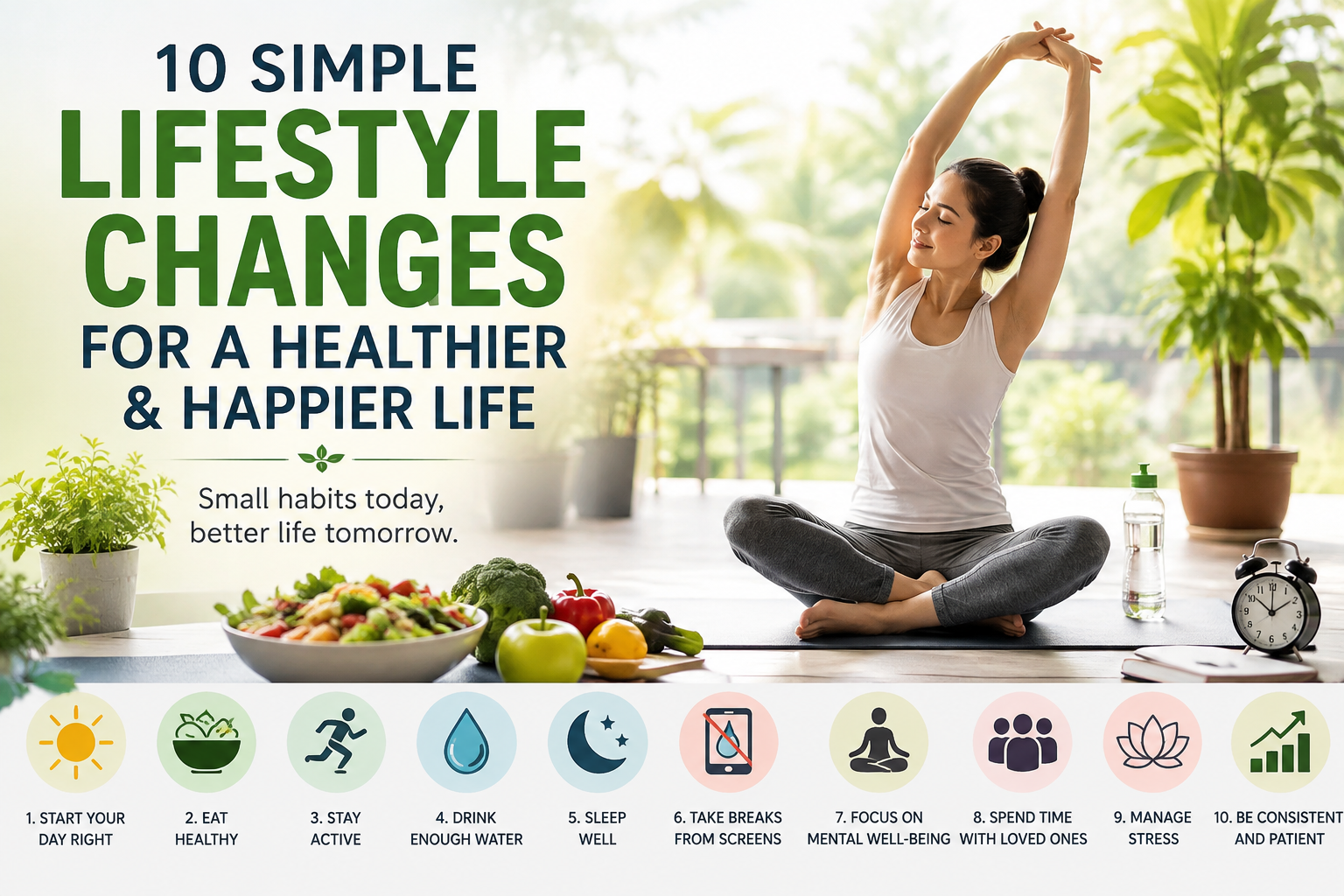
By A simple healthy lifestyle does not require making extreme changes overnight. Small, consistent habits can gradually improve the way you feel, work, sleep, eat and manage your daily responsibilities. From staying physically active and drinking enough water to getting quality sleep and taking regular breaks from screens, simple lifestyle choices can make everyday life more balanced.
The good news is that you do not need to completely change your routine to get started. Adding one or two healthy habits at a time can make the process easier and more sustainable.
In this guide, we explore 10 simple healthy lifestyle habits that you can incorporate into your everyday routine and a practical table to help you build a healthier schedule.
What Is a Healthy Lifestyle?
A simple healthy lifestyle is a combination of everyday choices that support physical well-being, mental balance and overall quality of life.
It can include eating nutritious foods, staying active, sleeping well, maintaining personal hygiene, managing stress, limiting unhealthy habits and making time for relationships and relaxation.
The goal is not perfection. Instead, the focus should be on developing realistic habits that you can maintain over time.
Read more about: What are Daily Yoga Benefits? | How Walking Benefits Daily ? | What is Digital Detox ?
10 Simple Healthy Lifestyle Habits to Follow :
1. Start Your Day With Water
After several hours of sleep, drinking water can be a simple way to begin your morning routine.
Keep a glass or bottle of water nearby and make hydration part of your regular morning schedule.
Water requirements vary from person to person depending on factors such as activity level, weather and diet, so focus on regular hydration rather than forcing yourself to drink an excessive amount.
2. Eat a Balanced Diet
Food plays an important role in everyday well-being.
Try to include a variety of foods such as vegetables, fruits, whole grains, pulses, nuts, seeds and appropriate sources of protein.
Instead of completely eliminating foods you enjoy, focus on balance and moderation.
A simple everyday plate can include:
| Vegetables | Spinach, carrots, beans, broccoli |
| Fruits | Apples, bananas, oranges, berries |
| Protein | Dal, beans, eggs, paneer, fish |
| Whole grains | Oats, brown rice, whole-wheat roti |
| Healthy fats | Nuts, seeds, avocado |
A balanced diet can also make it easier to maintain energy throughout the day.
3. Stay Physically Active
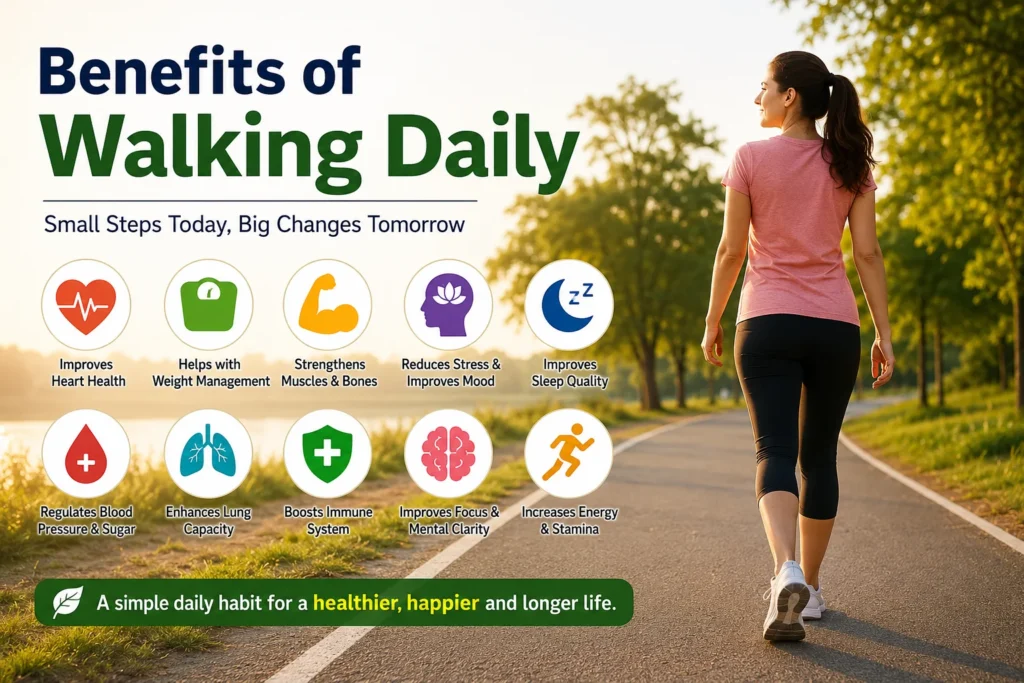
Regular movement is one of the most useful simple healthy lifestyle habits.
You do not necessarily need an expensive gym membership. Walking, cycling, stretching, yoga, dancing or home workouts can all help you stay active.
If you spend several hours sitting at work, take short movement breaks during the day.
For example:
| Walking | 20–30 minutes |
| Stretching | 5–10 minutes |
| Yoga | 15–30 minutes |
| Cycling | 20–30 minutes |
| Home workout | 15–30 minutes |
Choose activities that you enjoy because enjoyable routines are easier to maintain.
4. Prioritize Quality Sleep
Sleep is an important part of a balanced lifestyle.
Try to maintain a consistent sleep and wake-up schedule. Keep your bedroom comfortable and reduce unnecessary distractions before bedtime.
Avoid spending excessive time scrolling through your phone immediately before sleeping.
A simple evening routine can include:
- Finish dinner at a comfortable time.
- Reduce unnecessary screen use.
- Prepare for the next day.
- Relax with reading, breathing exercises or quiet time.
- Go to bed at a consistent time.
Adults generally need adequate sleep, but individual requirements can vary.
5. Take Regular Breaks From Screens
Phones, computers and other digital devices are now part of everyday life. However, continuously staring at screens can make it difficult to disconnect from work and online content.
Try creating small periods during the day when you intentionally step away from your devices.
For example, you could:
- Avoid checking your phone immediately after waking.
- Take screen-free meal breaks.
- Keep your phone away during conversations.
- Take short breaks during computer work.
- Reduce unnecessary scrolling before bedtime.
A healthier relationship with technology can make your daily routine feel less overwhelming.
6. Manage Daily Stress
Stress is a normal part of life, but finding healthy ways to manage it can make daily responsibilities easier to handle.
Simple techniques include:
- Deep breathing
- Walking
- Meditation
- Journaling
- Listening to music
- Talking to someone you trust
- Spending time outdoors
- Taking short breaks
You do not need to spend hours meditating or following a complicated routine. Even a few quiet minutes can provide an opportunity to pause and reset.
7. Spend Time With Family and Friends
Health is not only about food and exercise.
Social relationships can also contribute to emotional well-being. Make time to speak with family members, meet friends or participate in activities you enjoy.
Even a short conversation without distractions can help you feel more connected.
Try keeping your phone away when spending quality time with people around you.
8. Maintain Personal Hygiene
Basic hygiene habits are an important part of everyday wellness.
Regular bathing, brushing your teeth, washing your hands, keeping your surroundings clean and wearing clean clothes can help maintain personal cleanliness.
Create a simple daily hygiene routine that is easy to follow rather than treating it as another complicated task.
9. Make Time for Yourself
Modern routines can become busy with work, family responsibilities, commuting and household tasks.
Set aside some time for yourself, even if it is only 15–20 minutes.
You could use this time to:
- Read a book
- Listen to music
- Take a walk
- Practice a hobby
- Journal
- Have tea or coffee peacefully
- Spend time outdoors
Personal time can help create a healthier balance between responsibilities and relaxation.
10. Build Consistency Instead of Chasing Perfection
One of the biggest mistakes people make when starting a healthier lifestyle is trying to change everything at once.
Instead, begin with one or two habits.
For example:
Week 1: Drink more water and take a daily walk.
Week 2: Improve your sleep schedule.
Week 3: Add more vegetables and fruits to your meals.
Week 4: Reduce unnecessary screen time.
Gradually building habits can make your lifestyle changes easier to maintain.
Read more: Healthy Lifestyle | Mental Health | Work Life Balance | Solo Travel Tips
Simple Healthy Lifestyle Habits: Quick Comparison
| Hydration | Drink water regularly | Support everyday hydration |
| Balanced eating | Add more whole foods | Improve dietary balance |
| Walking | 20–30 minutes | Increase daily movement |
| Sleep routine | Consistent bedtime | Support adequate rest |
| Screen breaks | Short device-free periods | Reduce unnecessary screen use |
| Stress management | 5–10 minutes of relaxation | Create mental breaks |
| Social connection | Talk to family/friends | Maintain relationships |
| Hygiene | Follow a daily routine | Maintain cleanliness |
| Personal time | 15–20 minutes daily | Improve work-life balance |
| Consistency | Add one habit at a time | Make changes sustainable |

Sample Healthy Daily Routine
You do not have to follow this exact schedule. Use it as an example and adjust it according to your work, family and personal responsibilities.
| 6:30 AM | Wake up and drink water |
| 6:45 AM | Light stretching or walking |
| 7:15 AM | Shower and get ready |
| 7:45 AM | Balanced breakfast |
| 8:30 AM | Start work/studies |
| 11:00 AM | Short movement break |
| 1:00 PM | Balanced lunch |
| 3:30 PM | Short screen/work break |
| 6:00 PM | Walk, exercise or hobby |
| 7:30 PM | Dinner |
| 8:30 PM | Family/personal time |
| 9:30 PM | Reduce unnecessary screen use |
| 10:30 PM | Relax and prepare for sleep |
The exact timings are less important than creating a routine that works for you.
Common Mistakes When Starting a Simple Healthy Lifestyle
Changing Everything at Once
Trying to completely change your diet, exercise, sleep and schedule overnight can become difficult to maintain.
Following Extreme Diets
Extremely restrictive diets may not be appropriate for everyone. Focus on balanced eating rather than unnecessarily eliminating entire food groups unless advised by a qualified professional.
Ignoring Sleep
Some people focus heavily on exercise and food while treating sleep as optional. Adequate rest should also be part of a balanced lifestyle.
Comparing Yourself With Others
Everyone has different schedules, responsibilities and starting points. Your routine does not need to look like someone else’s.
Giving Up After One Bad Day
Missing a workout or eating an unhealthy meal does not mean your entire routine has failed. Simply return to your normal habits at the next opportunity.
Healthy Lifestyle vs Unhealthy Lifestyle
| Food | Balanced meals | Frequent highly processed foods |
| Movement | Regular activity | Long periods of inactivity |
| Sleep | Consistent sleep routine | Irregular sleep schedule |
| Technology | Planned screen breaks | Constant scrolling |
| Stress | Healthy coping strategies | Ignoring ongoing stress |
| Social life | Meaningful connections | Social isolation |
| Personal time | Regular relaxation | No time for recovery |
| Habits | Consistency | Extreme short-term changes |
How to Start a Simple Healthy Lifestyle Today
You do not have to wait for Monday or the beginning of a new month.
Start with three simple actions:
1. Drink water regularly.
2. Take a short walk or stretch.
3. Go to bed at a reasonable and consistent time.
Once these habits become comfortable, gradually introduce other changes.
The key is to make your simple healthy lifestyle realistic enough that you can continue it during busy days as well.
When Should You Seek Professional Advice?
General lifestyle advice cannot replace personalized medical or nutritional guidance.
If you have an existing medical condition, take regular medication, are pregnant, have significant dietary restrictions or are planning a major change in exercise or diet, consider discussing your plans with an appropriate healthcare professional.
Conclusion
A simple healthy lifestyle is built from everyday choices rather than one dramatic transformation.
Drinking enough water, eating balanced meals, staying physically active, getting adequate sleep, managing stress, limiting unnecessary screen time and making time for yourself can help create a more balanced daily routine.
The most important step is to start small. Choose one or two simple healthy lifestyle habits today and gradually build from there.
Consistency matters more than perfection. A routine that fits your real life is much easier to maintain than a complicated plan that becomes difficult after a few days.
Also read: 10 Best Daily Routine for Students at Home | What Does a Simple Healthy Lifestyle Mean to You in 2026? | Wellness & Healthy Habits
Frequently Asked Questions
Q1: What are the best simple healthy lifestyle habits?
Some useful habits include eating a balanced diet, staying physically active, getting adequate sleep, staying hydrated, managing stress, taking screen breaks and maintaining meaningful social connections.
Q2: How can I start living a healthier lifestyle?
Start with small changes. Drink water regularly, move more, improve your sleep routine and gradually make your meals more balanced.
Q3: How long does it take to build a healthy habit?
There is no universal number of days required to build a habit. Consistency, repetition and choosing realistic goals are more useful than focusing on a fixed deadline.
Q4: Can walking be part of a simple healthy lifestyle?
Yes. Walking is a simple form of physical activity that can fit into many daily routines. Your appropriate activity level depends on your individual circumstances.
Q5: Is healthy eating expensive?
Not necessarily. Foods such as seasonal vegetables, fruits, pulses, beans, whole grains and locally available ingredients can be practical choices. Planning meals can also help reduce unnecessary spending.
Q6: How can I reduce screen time?
Start by identifying when you use your phone unnecessarily. Create phone-free periods around meals, conversations and bedtime.
Q7: Why is sleep important for a simple healthy lifestyle?
Sleep is an important part of overall well-being and can affect how you feel and function during the day. Maintaining a consistent sleep routine can support better rest.
Q8: Do I need to exercise every day?
Your ideal activity schedule depends on your age, health, fitness level and circumstances. A combination of regular movement and appropriate rest can be more sustainable than forcing intense exercise every day.



2 Comments