 By
By A heart attack can happen when blood flow to the heart muscle becomes blocked, often because of plaque buildup in the coronary arteries. How to Avoid Heart Attack starts with understanding the factors that can affect cardiovascular health. Although some risk factors such as age and family history cannot be changed, many important risk factors can be managed through daily habits, medical care, and regular health checks.
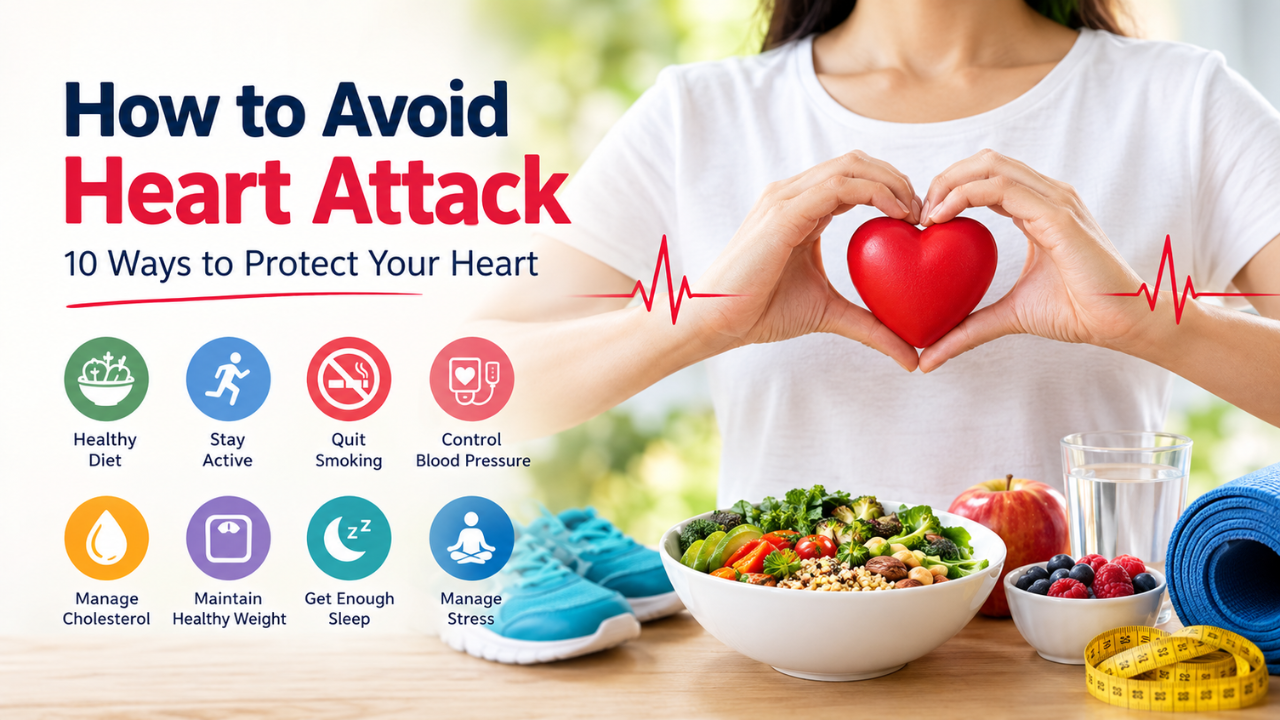
If you are wondering How to Avoid Heart Attack, the answer is not one single food, exercise, or supplement. The most effective approach combines healthy eating, regular physical activity, avoiding tobacco, managing blood pressure and cholesterol, maintaining a healthy weight, controlling diabetes, getting enough sleep, managing stress, and following medical advice.
This guide explains How to Avoid Heart Attack through practical lifestyle changes that can support long term cardiovascular health.
Medical Disclaimer: This article is for general educational purposes and does not replace professional medical diagnosis, treatment, or advice. If you have symptoms of a possible heart attack, seek emergency medical care immediately.
Read more about: Heart Attack Treatment and Management | 7 Day Diet to Lower Triglycerides | The Top 10 Foods for Eye Health
What Causes a Heart Attack?
Before learning How to Avoid Heart Attack, it helps to understand what happens inside the body.
A heart attack, also called myocardial infarction, usually occurs when blood flow through a coronary artery becomes blocked. Plaque can build up inside the artery over time. If plaque ruptures and a blood clot forms, blood flow to part of the heart can become restricted or completely blocked.
Common Heart Attack Risk Factors
| Risk Factor | Can You Change It? | What You Can Do |
| High blood pressure | Yes | Monitor and manage it |
| High cholesterol | Yes | Improve diet and follow treatment |
| Smoking | Yes | Quit tobacco |
| Physical inactivity | Yes | Exercise regularly |
| Diabetes | Often manageable | Control blood sugar |
| Excess weight | Often manageable | Work toward a healthy weight |
| Unhealthy diet | Yes | Choose nutritious foods |
| Family history | No | Monitor other risk factors carefully |
| Age | No | Maintain preventive care |
| Certain medical conditions | Partly | Follow your doctor’s treatment plan |
Knowing your risk factors is an important part of heart disease prevention. How to Avoid Heart Attack also involves identifying which risk factors you can control. Many cardiovascular risk factors can be identified through regular health checks and managed with lifestyle changes or treatment when needed.
10 Ways to Keep Your Heart Healthy
If you are searching for 10 ways to keep your heart healthy, start with these practical habits. How to Avoid Heart Attack becomes easier when these habits become part of your regular routine.
1. Eat a Heart Healthy Diet
One of the most important answers to How to Avoid Heart Attack is improving your everyday diet.
Build meals around vegetables, fruits, whole grains, beans, nuts, seeds, and appropriate sources of lean protein. How to Avoid Heart Attack can include choosing nutritious foods more often and limiting foods high in saturated fat, trans fat, added sugar, and excess sodium.
Heart Healthy Food Choices
| Choose More Often | Limit |
| Vegetables | Deep fried foods |
| Fresh fruits | Excess sweets |
| Whole grains | Highly processed foods |
| Beans and lentils | Excess sodium |
| Nuts and seeds | Foods high in saturated fat |
| Lean protein | Trans fats |
These dietary changes are among the health tips for healthy heart that can also support healthy blood pressure, cholesterol, blood sugar, and body weight.
A heart friendly diet is not about completely eliminating your favorite foods. How to Avoid Heart Attack can involve making balanced choices consistently rather than following extreme food restrictions.
2. Stay Physically Active
Regular movement is another major part of How to Avoid Heart Attack.
For many adults, health authorities recommend at least 150 minutes of moderate intensity physical activity each week, such as brisk walking or cycling.
If you currently do little exercise, start gradually. How to Avoid Heart Attack does not require suddenly starting an intense workout program.
| Activity | Simple Starting Goal |
| Walking | 20 to 30 minutes |
| Cycling | Easy to moderate pace |
| Swimming | Comfortable continuous movement |
| Dancing | 20 to 30 minutes |
| Strength exercises | Around 2 days weekly |
Your doctor can help determine an appropriate exercise plan if you have heart disease, diabetes, high blood pressure, or another medical condition.
Regular activity is one of the most useful heart health tips because it can support healthy weight, blood pressure, cholesterol, and blood sugar levels. How to Avoid Heart Attack can therefore include regular movement that fits your current fitness level.
3. Stop Smoking and Avoid Tobacco
If you want to understand How to Avoid Heart Attack, tobacco cessation should be near the top of your list.
Smoking damages blood vessels and increases cardiovascular risk. How to Avoid Heart Attack includes avoiding tobacco because smoking is an important modifiable cardiovascular risk factor.
Quitting smoking can substantially reduce the risk of cardiovascular disease over time.
Do not assume vaping or other nicotine products are completely harmless for your cardiovascular system. How to Avoid Heart Attack should include discussing tobacco or nicotine use with a healthcare professional when quitting support is needed.
If you use tobacco or nicotine products, talk with a healthcare professional about evidence based quitting support.
4. Keep Your Blood Pressure Under Control
High blood pressure can increase the workload on the heart and damage blood vessels over time. It is also an important risk factor for heart attack and stroke.
Regular monitoring is an important part of coronary artery disease prevention. How to Avoid Heart Attack also involves knowing your blood pressure and discussing concerning readings with a healthcare professional.
| What to Monitor | Why It Matters |
| Blood pressure | Helps identify hypertension |
| LDL cholesterol | Helps assess cardiovascular risk |
| Blood glucose | Helps identify diabetes or poor control |
| Weight | Helps assess metabolic health |
| Triglycerides | Provides additional cardiovascular information |
Do not stop or change prescribed blood pressure or cholesterol medication without speaking with your healthcare professional. How to Avoid Heart Attack may require both lifestyle changes and appropriate medical treatment.
5. Manage Cholesterol
High cholesterol can contribute to plaque buildup in arteries. How to Avoid Heart Attack includes checking cholesterol and discussing your results with a healthcare professional so you can understand your cardiovascular risk.
Checking cholesterol and discussing your results with a healthcare professional can help you understand your cardiovascular risk.
For How to Avoid Heart Attack, focus on both lifestyle habits and medical treatment when recommended.
Eating more fiber rich foods, increasing physical activity, avoiding tobacco, maintaining a healthy weight, and taking prescribed medication when necessary can all be part of an individualized prevention plan. How to Avoid Heart Attack should be approached according to your personal risk factors.
6. Maintain a Healthy Weight
Maintaining a healthy weight can support good heart health and reduce the burden placed on the cardiovascular system.
How to Avoid Heart Attack can include working toward a healthy weight when excess weight is contributing to cardiovascular risk.
Being overweight or having obesity is associated with a higher risk of conditions such as high blood pressure, diabetes, and abnormal cholesterol, which can increase cardiovascular risk.
Instead of following extreme diets, focus on sustainable changes. How to Avoid Heart Attack is not about rapid weight loss but about sustainable habits that support cardiovascular health.
| Instead of | Try |
| Skipping meals | Balanced meals |
| Crash diets | Gradual changes |
| Sugary drinks | Water or unsweetened drinks |
| Long periods of sitting | Short activity breaks |
| Extreme restrictions | Portion awareness |
7. Control Diabetes and Blood Sugar
Diabetes can increase the risk of cardiovascular disease. How to Avoid Heart Attack may require careful management of blood sugar if you have diabetes or elevated blood glucose.
If you have diabetes or elevated blood sugar, work with your healthcare team to manage it.
This is an important part of How to Avoid Heart Attack and how to keep heart healthy and strong.
Regular monitoring, nutritious eating, physical activity, medication when prescribed, and routine medical appointments can help manage diabetes and related cardiovascular risks. How to Avoid Heart Attack involves addressing these risk factors as part of an individualized prevention plan.
If you have multiple risk factors, your healthcare professional may use a cardiovascular risk assessment to understand your overall risk.
8. Get Enough Sleep and Manage Stress
Healthy sleep and stress management are also part of a healthy lifestyle to prevent heart disease.
How to Avoid Heart Attack can include maintaining healthy sleep patterns and finding practical ways to manage ongoing stress.
Long periods of poor sleep and unmanaged stress can make healthy habits harder to maintain and may affect blood pressure, eating patterns, physical activity, and overall wellbeing.
Try simple habits such as:
- Keeping a consistent sleep schedule
- Taking short walking breaks
- Practicing slow breathing
- Spending time outdoors
- Limiting excessive screen use before bed
- Staying connected with supportive people
These are practical answers to How to Avoid Heart Attack without making your routine unnecessarily complicated.
9. Limit Alcohol and Avoid Excessive Drinking
Alcohol can affect blood pressure and triglycerides, particularly when consumed excessively.
How to Avoid Heart Attack may include discussing alcohol consumption with a healthcare professional based on your individual health circumstances.
If you drink alcohol, discuss your individual situation with a healthcare professional, especially if you have high blood pressure, heart disease, liver disease, or take medications.
For many people, reducing alcohol intake can be one component of how to improve heart health.
10. Get Regular Health Checkups
Regular healthcare visits can help identify risk factors before they become serious problems. How to Avoid Heart Attack includes preventive healthcare because some cardiovascular risk factors may not cause obvious symptoms.
Ask your healthcare professional about checking:
- Blood pressure
- Cholesterol
- Blood glucose
- Weight
- Diabetes risk
- Family history
- Kidney health when appropriate
- Overall cardiovascular risk
Preventive healthcare is an important part of How to Avoid Heart Attack because many cardiovascular risk factors may not cause obvious symptoms.
How to Avoid Heart Disease Along With Heart Attack
The question of how to avoid heart disease is closely connected to heart attack prevention because coronary artery disease can lead to heart attacks.
A practical heart disease prevention routine can look like this:
| Daily | Weekly | Regularly With Your Doctor |
| Eat balanced meals | Exercise consistently | Check blood pressure |
| Avoid tobacco | Plan healthy meals | Check cholesterol |
| Stay active | Review your progress | Check blood sugar when appropriate |
| Sleep adequately | Manage stress | Review medications |
| Drink water | Limit highly processed foods | Discuss cardiovascular risk |
How to Avoid Heart Attack is easier to approach when daily habits and regular medical care work together.
How to Prevent Heart Attack in Women
People often ask how to prevent heart attack in woman, because cardiovascular symptoms and risk factors can vary.
How to Avoid Heart Attack in women involves paying attention to cardiovascular risk factors and discussing individual concerns with a healthcare professional.
Women can experience the common symptom of chest discomfort, but heart attack symptoms may also include shortness of breath, nausea, vomiting, unusual tiredness, weakness, or pain in the shoulder, back, or arm.
Women should not ignore unusual symptoms simply because they do not feel like classic chest pain. How to Avoid Heart Attack also means understanding that symptoms can vary between people.
Pregnancy related conditions such as preeclampsia and early menopause can also be relevant to cardiovascular risk assessment, so discuss your medical history with your healthcare professional.
How to Make Heart Healthy Habits Easier
If you are learning how to make heart healthy changes, avoid trying to change everything overnight.
How to Avoid Heart Attack can involve small, repeatable changes rather than an immediate complete lifestyle transformation.
Use small, repeatable habits.
| Week | Simple Goal |
| Week 1 | Walk for 20 minutes most days |
| Week 2 | Add more vegetables to meals |
| Week 3 | Reduce sugary drinks |
| Week 4 | Check your blood pressure |
| Week 5 | Work on sleep consistency |
| Week 6 | Review cholesterol and glucose with your doctor |
Small changes can make a routine easier to maintain over time. How to Avoid Heart Attack can become part of your daily routine when healthy habits are introduced gradually.
Warning Signs of a Heart Attack
Knowing How to Avoid Heart Attack does not replace knowing what to do if symptoms occur.
Possible heart attack symptoms include:
- Pressure, squeezing, fullness, or pain in the center of the chest
- Pain or discomfort in one or both arms
- Pain in the back, neck, jaw, or stomach
- Shortness of breath
- Cold sweating
- Nausea
- Lightheadedness
- Unusual tiredness
Symptoms can be mild, severe, sudden, or develop gradually. How to Avoid Heart Attack is important for prevention, but recognizing possible warning signs is equally important.
Women may experience symptoms such as unusual tiredness, nausea, shortness of breath, or discomfort in the back, shoulder, or arm.
What to Do During a Possible Heart Attack
| Situation | Action |
| Chest pressure or other possible symptoms | Treat it as an emergency |
| Symptoms continue or return | Seek emergency medical help immediately |
| Unsure whether it is a heart attack | Do not wait to see if it disappears |
| Person becomes unresponsive | Follow emergency dispatcher instructions and begin CPR if appropriate |
Fast emergency treatment can reduce heart damage and improve the chance of survival. How to Avoid Heart Attack should always be combined with knowing when to seek emergency care.
Prevention of Myocardial Infarction: A Simple Checklist
Prevention of myocardial infarction means reducing modifiable cardiovascular risk factors as much as possible.
How to Avoid Heart Attack can be approached using a simple prevention checklist.
Use this checklist:
| Prevention Step | Done? |
| Eat a balanced diet | ☐ |
| Exercise regularly | ☐ |
| Avoid smoking | ☐ |
| Monitor blood pressure | ☐ |
| Check cholesterol | ☐ |
| Manage blood sugar | ☐ |
| Maintain a healthy weight | ☐ |
| Sleep adequately | ☐ |
| Manage stress | ☐ |
| Attend regular health checkups | ☐ |
How to Avoid Heart Attack: Key Takeaway
The most practical approach to How to Avoid Heart Attack is to identify your personal risk factors and work on the ones you can change.
There is no guaranteed way to prevent every heart attack, but healthy habits and appropriate medical care can reduce cardiovascular risk. The most useful 10 ways to keep your heart healthy include eating a balanced diet, staying physically active, avoiding tobacco, maintaining a healthy weight, managing blood pressure and cholesterol, controlling blood sugar, getting adequate sleep, managing stress, limiting excessive alcohol, and attending regular health checkups.
If you are wondering How to Avoid Heart Attack and how to keep heart healthy, start with one or two realistic changes rather than attempting a complete lifestyle transformation overnight. A daily walk, healthier meals, quitting tobacco, better sleep, or regular health monitoring can become meaningful parts of long term prevention.
People with diabetes, high blood pressure, high cholesterol, a family history of heart disease, or previous cardiovascular problems may need an individualized prevention plan. How to Avoid Heart Attack may therefore look different from one person to another. Discuss your personal risk factors, medications, tests, and lifestyle goals with a qualified healthcare professional.
Most importantly, prevention and emergency awareness should go together. Learning How to Avoid Heart Attack is valuable, but recognizing warning signs is equally important. Chest discomfort, shortness of breath, unusual sweating, nausea, or pain affecting the arm, back, neck, jaw, or stomach can require immediate medical attention.
Also read: Different Kinds of Lifestyle | Healthy Lifestyle | Mental Health | Digital Detox
Frequently Asked Questions
Q1: How can I reduce my risk of a heart attack?
You can reduce your risk by avoiding tobacco, exercising regularly, eating a balanced diet, maintaining a healthy weight, and managing blood pressure, cholesterol, and diabetes.
Q2: Can exercise help prevent a heart attack?
Yes. Regular physical activity supports healthy blood pressure, cholesterol, blood sugar, and body weight, making it an important part of How to Avoid Heart Attack.
Q3: What foods are best for heart health?
Choose vegetables, fruits, whole grains, beans, nuts, and seeds while limiting saturated fat, trans fat, excess sodium, and added sugar.
Q4: Does smoking increase heart attack risk?
Yes. Smoking increases cardiovascular risk, so quitting tobacco is an important part of How to Avoid Heart Attack.
Q5: How often should I check my blood pressure?
The right frequency depends on your health and risk factors, so follow the monitoring schedule recommended by your healthcare professional.
Q6: Can women have different heart attack symptoms?
Yes. Women may experience chest discomfort as well as unusual tiredness, nausea, shortness of breath, or pain in the back, shoulder, or arm.
Q7: Can a healthy lifestyle completely prevent a heart attack?
No lifestyle can guarantee complete prevention, but healthy habits and proper management of risk factors can reduce cardiovascular risk.
Q8: What should I do if I think I am having a heart attack?
Seek emergency medical help immediately if you experience possible symptoms such as chest discomfort, shortness of breath, sweating, nausea, or upper body pain.