
 By
By Heart attacks are one of the top causes of death worldwide, but only few can be prevented with early identification and appropriate medical care. Being aware of the heart attack symptoms and why they happen can save lives. Most people have heard of a heart attack and identify it with severe chest pain which comes on unexpectedly but the truth is that everyone can experience symptoms in their own way, some may even start slowly progressing for hours or days.
A heart attack is a medical emergency that happens when the blood flow to your heart is blocked. This article explains what are heart attacks, causes, risk factors and all you need to know about this disease with tips of awareness before it strikes early signs or symptoms that occur as triggers.
Understanding Heart Attack Symptoms and Causes helps people recognize warning signs early and seek immediate medical attention.
What Is a Heart Attack?
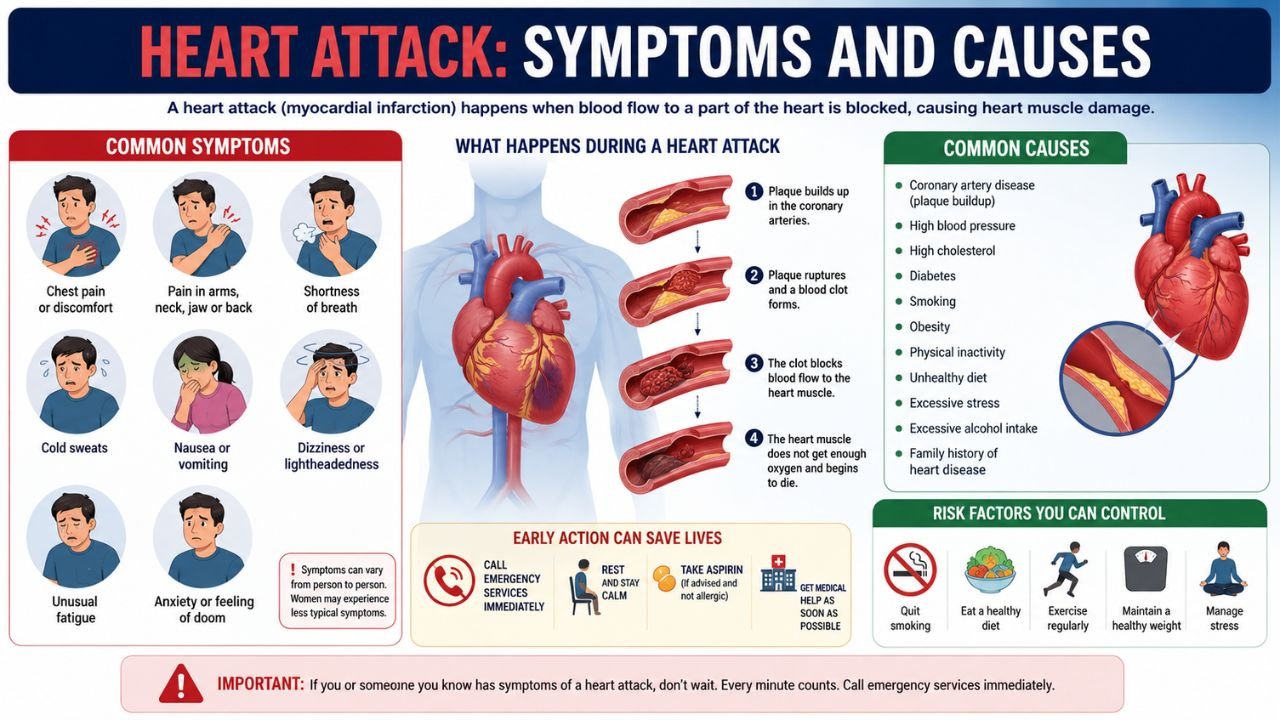
Heart attacks happen when blood flow stops to one part of the heart muscle and no oxygen-rich blood can reach that area. Heart muscle cells are dying within minutes of oxygen deprivation. Rapid intervention is crucial to reverse blood loss and limit irreversible injury. Understanding Heart Attack Symptoms and Causes helps explain why immediate treatment is essential.
A heart attack is medically termed myocardial infarction, and it needs an emergency level of treatment. A lot of people also ask what is myocardial infarction or what is MI. MI-full form of MI in medical-very deadly, heart muscle is dying due to not enough blood. Knowing Heart Attack Symptoms and Causes is the first step toward preventing serious complications.
What Happens During a Heart Attack?
Common questions are how a Heart Attack occurs, how does heart attack happen, or even how you get a heart attack. Learning Heart Attack Symptoms and Causes allows people to recognize how a blockage develops.
The following is the process by which most heart attacks develop:
However, fatty deposits (plaques) accumulate within the coronary arteries.
- Plaques take time to narrow the arteries over time.
- A plaque may rupture unexpectedly.
- A clot forms around the tear
- The crafted embedded plate fixes blood flow to the heart muscle.
- In absence of oxygen, the affected muscle starts dying.
This blockage can appear suddenly, even in a seemingly healthy person who had only mild symptoms prior to the event.
How the Heart Receives Blood
Your heart pumps blood around the body, but it needs its own blood supply as well. This supply is from the coronary arteries. Proper knowledge of Heart Attack Symptoms and Causes can encourage better heart health.
Normal coronary arteries supply oxygen and nutrients to heart muscle. If cholesterol is deposited and blood vessels narrow, the heart does not get enough oxygen and this increases susceptibility to a heart attack.
Early Warning Signs of a Heart Attack
Survival from a heart attack can be vastly improved by recognising the warning signs in advance. Learning about Heart Attack Symptoms and Causes allows people to identify early warning signs before an emergency occurs.
Others see premonitory symptoms in minutes, hours, days and even weeks before the event itself.
Common early signs include:
- Mild unrelenting chest pain
- Chest tightness or induration
- Pain which radiates to the shoulder, jaw neck or arm
- Unexplained fatigue
- Shortness of breath with normal activities
- Cold sweats
- Dizziness
- Nausea
- Feeling unusually weak
- Difficulty performing normal daily tasks
These are not the same symptoms experienced by everyone. For some people especially older adults and those with diabetes it may be only mild discomfort. Every adult should understand Heart Attack Symptoms and Causes before an emergency occurs.
Common Heart Attack Symptoms
Heart Attack Symptoms and Causes vary from person to person, making awareness extremely important. Recognizing Heart Attack Symptoms and Causes can help reduce treatment delays.
The most common heart attack symptoms include:
- Chest pain or pressure
- Center chest tightness
- Referral of pain into left arm
- Pain in both arms
- Jaw pain
- Neck pain
- Shoulder pain
- Upper back discomfort
- Shortness of breath
- Cold sweat
- Sudden nausea
- Vomiting
- Lightheadedness
- Extreme tiredness
- A sense of anxiety or something being really wrong
The query how does heart attack feels often indicates from other users. So are the many survivors who describe it as a weight on the chest, squeezing pressure, burning pain or tightness that feels more stable than stabbing.
Heart Attack Symptoms in Women
While chest pain is still a common signal, female heart attack symptoms are frequently atypical in comparison to male. Women should be aware of Heart Attack Symptoms and Causes because symptoms often differ.
Women should understand Heart Attack Symptoms and Causes because their symptoms are often different from men’s.
Women may experience:
- Unusual fatigue lasting several days
- Neck, jaw or upper back pain
- Nausea
- Vomiting
- Shortness of breath
- Dizziness
- Indigestion-like discomfort
- Sleep disturbances
- Anxiety
- Instead of horrible pain, mild pressure in the chest
Likewise, the symptoms of myocardial infarction experienced by women can be mistaken for acid reflux, stress or a viral illness and therapy may be postponed as a result. It is important to recognize these differences since delayed diagnosis may result in complications. Learning about Heart Attack Symptoms in Women.
Mini Heart Attack Symptoms
The term “mini heart attack” generally refers to a small heart attack that is due to instant or partial suspension of blood flow. Learning Heart Attack Symptoms and Causes helps identify even mild warning signs.
Some of the most common mini heart attack symptoms include:
- Mild chest discomfort
- Pain lasting a few minutes
- Fatigue
- Sweating
- Shortness of breath
- Nausea
- Lightheadedness
- Weakness
Even if symptoms go away within a short period of time, medical assessment is crucial as a negative heart attack might just be around the corner. Recognizing Heart Attack Symptoms and Causes can help prevent a minor heart attack from becoming a major emergency.
Symptoms Before Heart Attack
Numerous patients have mentioned that they had symptoms a few days or weeks before any heart attack.
These warning signs may include:
- Increasing chest pressure during activity
- Fatigue that seems unusual
- Breathlessness while climbing stairs
- Difficulty exercising
- Sleep problems
- Sharp pain in jaw or shoulder
- Chest pain episodes that improve with rest
Not seeking treatment can lead to a delay in life-saving care. Many people search for Heart Attack Symptoms and Causes to recognize these early warning signs in time. Awareness of Heart Attack Symptoms and Causes may save lives.
How to Identify Heart Attack
Being able to recognize a heart attack can help you respond quickly in a crisis.
Some signs to be aware of include:
- Pain in the chest for several minutes
- Discomfort in the arm, neck, shoulder, jaw, or back
- Hard time breathing
- Sweating
- Pale complexion
- Feeling weak
- Dizzy
- Feeling nauseous
- Passing out in extreme situations
Treat these signs seriously and call an ambulance, rather than trying to get to the hospital yourself. Doctors recommend learning Heart Attack Symptoms and Causes for faster action.
What Happens Before a Heart Attack?
What happens before a heart attack is a common question.
Generally, coronary artery plaque buildup takes years prior to noticeable heart muscle damage. Warning signs from the body can be faint and are more evident during physical activities. This is when the heart and body are more stressed and require more oxygen.
Patients experience a range of symptoms leading to a heart attack. Intermittent chest discomfort, fatigue, and reduced exercise intolerance are common when an artery is near its blockage threshold. Unfortunately, some patients experience no symptoms, making early detection and proactive health measures even more important.
Causes of Heart Attack
Multiple factors lead to less blood flow to the heart by harming the coronary arteries. Understanding Heart Attack Symptoms and Causes provides a complete picture of how this medical emergency develops.
Most commonly, this is due to:
- Coronary artery disease with cholesterol plaques
- Formation of blood clots in the ruptured plaque
- High cholesterol and high blood pressure
- Smoking
- Obesity
- Chronic inflammation
- Severe spasms of the coronary artery
- Rarely, spontaneous coronary artery dissection
While this is not an exhaustive list, many readers will also search for why a heart attack occurs and why heart attack happens, all of which are to identify the risk factors of heart attack.
Knowing Heart Attack Symptoms and Causes helps reduce future health risks.
Major Risk Factors
Heart Attack Symptoms and Causes are closely linked to risk factors such as diabetes, smoking, and high blood pressure.
Risk factors for a heart attack:
- Increasing age
- Family history of heart disease
- High blood pressure
- High LDL cholesterol
- Low HDL cholesterol
- Diabetes
- Tobacco use
- Physical inactivity
- Obesity
- Excessive alcohol intake
- Chronic stress
- Unhealthy diet
- Poor sleep quality
- Chronic kidney disease
While one or more risk factors in itself will not cause a heart attack, keeping them under tight control can give you the greatest bang for your buck in reducing your overall risk. Managing risk factors is an important part of preventing Heart Attack Symptoms and Causes.
How Many Types of Heart Attack are There?
Patients often ask about the different categories of heart attack. Doctors usually recognize three main types of heart attack according to the causes and specific findings on the electrocardiogram (ECG).
1. STEMI (ST-Elevation Myocardial Infarction)
STEMI is the most serious type of heart attack. A STEMI happens when a coronary artery is completely obstructed, resulting in a blockage of blood flow to a considerable portion of the heart muscle. STEMIs require emergency care to restore blood flow and reduce damage to the heart.
2. NSTEMI (Non-ST-Elevation Myocardial Infarction)
NSTEMIs occur when blood flow to the heart is also obstructed, but the blockage is only partial. Because blood flow is only partially blocked in an NSTEMI, they are often perceived as less critical than a STEMI. This is a misconception. NSTEMIs also require emergency care, diagnosis, and treatment.
3. Coronary Artery Spasm (Variant Angina-related Heart Attack)
Heart attacks caused by spasms of a coronary artery fall into this category. Coronary artery spasms are also less frequent. While a coronary artery is temporarily obstructed by a spasm, damage is sustained every time a spasm occurs. If spasms continue to occur, a heart attack can also happen.
Different types highlight why understanding Heart Attack Symptoms and Causes is important.
Heart Attack Time
This expression emphasizes the critical time factor associated with a heart attack. It is important not to waste time as heart tissue sustains damage as soon as blood flow is obstructed. The risk of permanent damage to the heart also increases the longer treatment is delayed.
When a patient presents with a heart attack, there is a critical period, referred to as the first ‘Golden Hour’. During this time, heart tissue is less likely to die if blood flow is helped by urgent intervention. Fast recognition of Heart Attack Symptoms and Causes improves survival rates.
How Long Can a Heart Attack Last?
A common question related to the heart attack is how long can a heart attack last? There is no fixed answer since the timing depends on the obstruction in blood flow, and more importantly how fast medical personnel arrive.
Heart attacks can last anywhere from 15 minutes, to several hours, or even longer. Some patients may even experience constant chest pain. Leaving and returning chest pain as an “on and off” experience can give the impression that the heart is in a stable condition. Unfortunately, this leads to an increased level of irreversible damage to heart tissue. A medical evaluation is very much needed.
How Long Does Heart Attack Pain Last?
Many people also worry about how long heart attack pain lasts. In contrast, muscle-related pain or indigestion lasts no more than a few minutes and responds well to rest but the pain due to a sort of heart attack usually lasts longer.
The discomfort may:
- Continue for beyond 15–20 minutes
- Come in waves
- Become progressively worse
- Return after briefly improving
Chest agony that does not go away should never be dismissed; it ought to be treated as a clinical disaster until demonstrated otherwise. Understanding Heart Attack Symptoms and Causes encourages people to seek emergency care quickly.
Diagnosis of a Heart Attack
Physicians will rely on tests to either confirm if someone is suffering from a heart attack, and how severe the injury to the heart muscle is doctors evaluate Heart Attack Symptoms and Causes before recommending the appropriate diagnostic tests.
Common diagnostic methods include:
Electrocardiogram (ECG)
The ECG records the electrical activity of the heart and provides rapid assessment for evidence of ischemia or myocardial injury drawing upon interpreted patterns.
Blood Tests
Cardiac biomarkers such as troponin can be measured with specialized blood tests. High troponin levels suggest injury to heart muscle cells.
Echocardiogram
An echocardiogram involves the use of ultrasound waves to assess how well the heart is pumping as well as its structure and areas that may have been damaged.
Coronary Angiography
In the course of this procedure, doctors inject contrast dye into the coronary arteries then look for blockages using X-ray imaging.
CT or MRI
In select patients, advanced imaging may be recommended to evaluate the heart structure, blood vessels, or complications of heart attack.
Doctors first evaluate Heart Attack Symptoms and Causes before confirming the diagnosis.
What to Do During a Heart Attack
These are the life-saving instructions for what to do when heart attack strikes.
If you or someone in your vicinity starts to have symptoms:
- Call emergency medical services immediately.
- Never ignore constant chest pain.
- Take a seat and keep as calm as you can.
- Remove any tight clothing from around the neck or chest.
- If you previously were prescribed nitroglycerin, take it exactly as ordered.
- If directed by emergency personnel and not medically contraindicated, chew an aspirin while awaiting assistance.
- Don’t forget to drive yourself to the hospital unless nothing else is available.
If the individual becomes unconscious and is not breathing normally, perform CPR if trained, follow emergency dispatcher instructions.
Survival is greatly increased with prompt medical care and long-term complications are markedly reduced. Everyone should know Heart Attack Symptoms and Causes and the correct emergency response.
Heart Attack Treatment
Management is determined by the degree of obstruction, patient condition, and timing of medical care. Early recognition of Heart Attack Symptoms and Causes significantly improves treatment outcomes.
Medications
Doctors may prescribe:
- Blood thinners
- Antiplatelet medicines
- Clot-dissolving drugs (in selected cases)
- Cholesterol-lowering medications
- Blood pressure medicines
- Pain relief medications
Angioplasty and Stent Placement
In angioplasty, a hollow tube with a balloon is passed into the artery that has narrowed. This is where a balloon opens the narrowed artery and often a stent is placed to keep it open.
Coronary Artery Bypass Surgery
In the case of multiple arteries that are severely blocked, bypass surgery may be performed to restore blood flow around the blocked vessels.
The first group of patients search for MI treatment or myocardial infarction treatment, both of these approaches based on evidence adapted to the patient.
Early identification of Heart Attack Symptoms and Causes leads to better treatment outcomes.
Recovery After a Heart Attack
You will start recovery as soon as your treatment is complete and the process can take weeks or months. People who understand Heart Attack Symptoms and Causes are more likely to adopt heart-healthy lifestyle changes.
Most recovery plans include:
- Cardiac rehabilitation
- Gradual increase in physical activity
- Healthy eating habits
- Smoking cessation
- Stress management
- Weight control
- Blood pressure monitoring
- Diabetes management
- Regular follow-up appointments
- Taking prescribed medications consistently
With proper medical treatment and lifestyle changes, many people will be able to return to work and daily routine. Patients recovering should continue learning about Heart Attack Symptoms and Causes to prevent recurrence.
Possible Complications
Delay in treatment for a heart attack can cause a number of problems.
These problems include:
- Heart failure
- Arrhythmias
- Cardiogenic shock
- Heart valve damage
- Blood clots
- Cardiac arrest
- Poor heart function
- Another heart attack
The chance of developing these problems is much higher if treatment is not given early. Ignoring Heart Attack Symptoms and Causes increases the risk of serious complications.
Can a Previous Heart Attack Affect Future Health?
Scar tissue may be present in the heart of a person that has suffered a myocardial infarction. The heart may continue to function normally, or may have a poor pumping function, depending on how large the heart attack was, and in which area of the heart the attack occurred.
The chances of having another heart attack can be decreased with a combination of continual follow up, taking prescribed medications, and improving heart health with a better lifestyle. Preventing Heart Attack Symptoms and Causes starts with a healthy lifestyle.
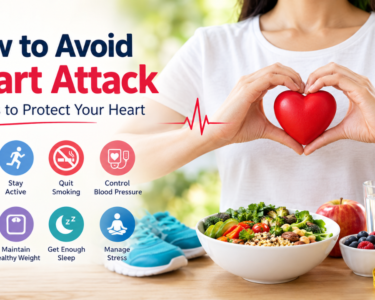
Can You Prevent a Heart Attack?
Not every attack can be avoided, however, a large number are related to risk factors that can be controlled.
The following can help:
- Whole grain, lean protein, fruit, vegetable heavy, heart healthy diet
- Routine exercise
- Healthy body weight
- Blood pressure management, cholesterol, and diabetes
- Avoiding tobacco
- Limited alcohol
- Stress and sleep management
- Routine health visits
There is no substitute for consistent small changes in daily routines for heart health. Awareness of Heart Attack Symptoms and Causes plays a major role in prevention and early intervention.
Common Myths About Heart Attacks
Myth: Heart attacks only occur in the elderly.
Facts: Heart attacks can occur in younger adults if significant risk factors exist.
Myth: Chest pain is always a defining heart attack symptom.
Fact: Mild discomfort and atypical symptoms may occur. This is especially the case for women, older adults, and patients with diabetes.
Myth: Sudden onset of heart attack symptoms is always the case.
Fact: Symptoms can become severe after developing gradually over hours or even days.
Myth: I’m in the clear if the pain goes away.
Fact: Heart attacks can still occur and go unjudged if symptoms temporarily improve. A doctor should always be seen after.
Everyone should be familiar with Heart Attack Symptoms and Causes because timely action can save lives. Understanding Heart Attack Symptoms and Causes helps separate myths from facts.
Conclusion
A heart attack can be life threatening and knowing how to respond can save a life. Knowing the symptoms and causes can be beneficial in order to get a jump on treatment if a heart attack is imminent. Development in treatment has made heart attacks less fatal, but the longer you wait the worse the damage to the heart. Staying informed about Heart Attack Symptoms and Causes empowers people to protect their heart health.
A heart healthy life can be beneficial in prevention of a heart attack, but the most important factor is listening to your body. You should never ignore symptoms and they should never be considered to be a sign of something that is not serious. Staying on top of your knowledge is a great way to stay heart healthy. The goal of early treatment is to save heart tissue and accelerate the healing process. In summary, understanding Heart Attack Symptoms and Causes is essential for recognizing emergencies, reducing risks, and protecting long-term heart health.
Medical Disclaimer: This document serves an educational purpose and is not a determined substitute for a medical professional. It is always best to seek a healthcare professional for your concerns regarding your health. If you are having a heart attack you must call an emergency response.
Frequently Asked Questions
Q1: What are some early indicators of a heart attack?
The first indicators could be pressure in the chest, discomfort where it spreads to the arms or jaw, possibly shortness of breath, fatigue, nausea, dizziness, and sweating. Some people could also feel insignificant symptoms that could last for hours or days before a heart attack.
Q2: Is it possible for a heart attack to occur with no chest pain?
Yes, In fact, chest pain is the most typical indicator, and most individuals, including most women, adults, and people with diabetes, will experience a heart attack and still battle fatigue, nausea, and even breathlessness or pain that could be located in the neck, back, or jaw; and this will occur with little to no chest pain.
Q3: What is the difference between a heart attack and cardiac arrest?
A heart attack occurs when there is a blockage in the blood flow to the heart muscle. Cardiac arrest occurs when the heart is unable to beat efficiently. Although this can be true, a heart attack can cause cardiac arrest, but they are not the same.
Q4: What is the recommended action if I suspect that someone is having a heart attack?
Call the emergency services in your area. Have the individual stay calm and assist it to ensure that it is sitting in a comfortable position. Follow the emergency service’s directions.
Q5: Is it possible for a heart attack symptoms and causes to occur in young adults?
Yes, while the prospect of a heart attack increases with age, the unhealthy habits, smoking, obesity, diabetes, high cholesterol, heart diseases that may be inherited, and the general unhealthy lifestyle can lead to heart attacks in young adults.
Q6: Does stress lead to heart attacks?
Yes, stress can lead to heart attacks. The effects of prolonged stress can cause symptoms like high blood pressure and sleeping issues that can lead to heart attacks.
Q7: Is it possible to prevent heart attacks?
Yes, preventing heart attacks is possible. To decrease the risk of a heart attack, a person must engage in regular physical activity, eat a healthy and nutritional diet, and eliminate bad habits, like smoking. It is also helpful to maintain good blood pressure and cholesterol levels, keep diabetes under control, and visit the doctor for checkups.
Q8: Can a person heal completely after a heart attack?
Yes, it is possible to fully heal after a heart attack. Some methods used for the healing process include taking medicine that was prescribed, attending rehabilitation, and implementing a healthy lifestyle by exercising regularly.
Q9: Can you experience heart attack symptoms that go away?
Yes, some people experience symptoms that are mild or discomfort in their chest that go away for a time. This does not mean that the symptoms go away and it is important to remember these symptoms indicate heart issues.
Q10: Can a heart attack occur while a person is sleeping?
Yes, a person can experience a heart attack while sleeping. Signs that may indicate you are having a heart attack are waking up in a sweat with shortness of breath and pain that travels to your arm and jaw. You should seek medical help immediately.

1 Comment