 By
By Introduction
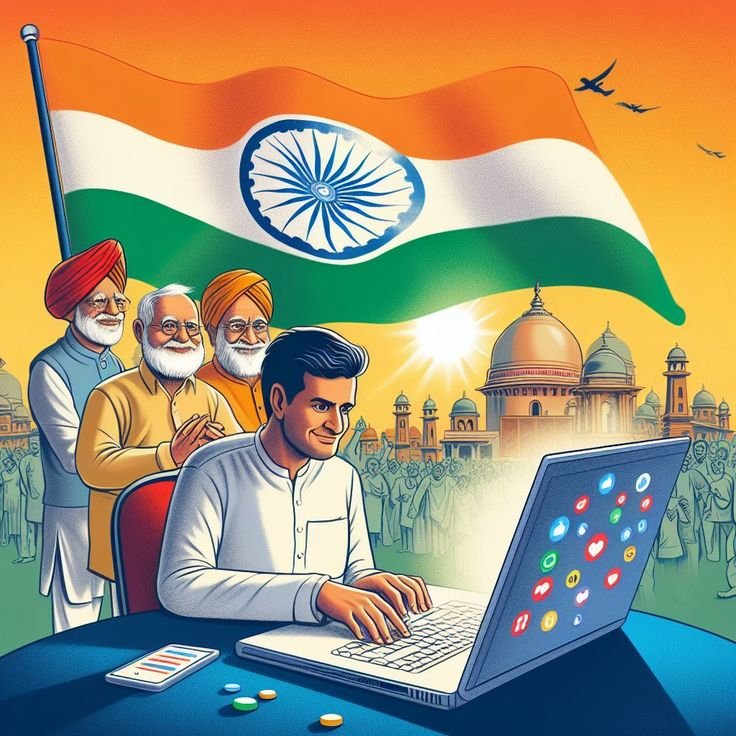
Politics in India has changed rapidly over the last few years, and one of the biggest reasons behind this transformation is social media. Platforms like Instagram, X (Twitter), YouTube, and Facebook are no longer just entertainment apps. They have become powerful political tools that influence public opinion, election campaigns, and even government decisions. In 2026, social media is playing a bigger role in Indian politics than ever before.
From political parties to individual leaders, everyone is using digital platforms to connect with people directly. Young voters especially rely on social media for political news, debates, and opinions. While this has increased awareness and participation, it has also created challenges such as fake news, online propaganda, and political polarization.
Rise of Digital Politics in India
Earlier, political campaigns mostly depended on rallies, posters, newspapers, and television advertisements. Today, social media has become the center of political communication. Political parties can now reach millions of people within seconds through a single post or video.
Leaders use social media to share speeches, campaign updates, achievements, and responses to opposition parties. Viral reels, memes, hashtags, and live sessions have become common parts of election campaigns. Digital marketing teams now work behind almost every major political campaign in India.
The increasing use of smartphones and affordable internet has made this shift possible. Even people in small towns and villages are now actively consuming political content online.
Influence on Young Voters
India has one of the largest youth populations in the world, and young voters are highly active on social media. Many first-time voters learn about political parties and leaders through Instagram reels, YouTube videos, podcasts, and trending hashtags.
Political influencers and content creators also play a huge role in shaping opinions. Some creators support government policies, while others criticize them openly. As a result, political discussions are no longer limited to news channels. They are happening every day on social media feeds.
This digital involvement has increased political awareness among young people. Many students and young professionals are now participating in debates, discussions, and online campaigns related to unemployment, education, inflation, women’s safety, and freedom of speech.
The Power of Viral Content
One viral video can completely change a political narrative. A speech clip, interview moment, or public statement can spread across the internet within minutes. Political parties carefully design their online content to gain maximum reach and engagement.
Memes and short-form videos have become surprisingly powerful in influencing voters. Sometimes humorous content reaches more people than traditional political speeches. This has changed how political communication works in India.
However, viral content can also be misleading. Edited videos and false information often spread quickly before fact-checking happens. This creates confusion among the public and increases political tension.
Fake News and Misinformation
While social media has improved access to information, it has also increased the spread of fake news. During elections and political controversies, misleading posts often circulate widely.
Many people forward political messages without verifying facts. Fake statistics, edited images, and manipulated videos can influence public opinion in dangerous ways. This has become one of the biggest challenges for Indian democracy.
To control misinformation, fact-checking organizations and government agencies are becoming more active. Social media platforms are also introducing rules against harmful and false content. But despite these efforts, fake news remains a serious issue.
Political Polarization Online
Social media has made political discussions more intense. Supporters of different political ideologies often engage in heated arguments online. Instead of healthy debates, many discussions turn into personal attacks and trolling.
Political polarization has increased because people mostly consume content that matches their own beliefs. Algorithms on social media platforms show users content similar to what they already like and support. This creates digital echo chambers where people rarely hear opposing viewpoints.
As a result, political divisions in society are becoming stronger.
Role of Artificial Intelligence in Politics
Artificial Intelligence is also becoming a major part of political campaigns. AI tools are being used for targeted advertisements, speech analysis, voter behavior prediction, and content creation.
Political parties now study online trends and audience behavior to create personalized campaign messages. AI-generated videos, voice cloning, and automated bots are also raising concerns about misinformation and digital manipulation.
Experts believe that AI will become even more influential in future elections, making digital literacy more important than ever.
Positive Impact of Social Media on Democracy
Despite its challenges, social media has also strengthened democracy in several ways.
- Citizens can directly question political leaders.
- Important social issues gain national attention quickly.
- Independent journalists and creators can share alternative viewpoints.
- Political participation among young people has increased.
- Public awareness about policies and governance has improved.
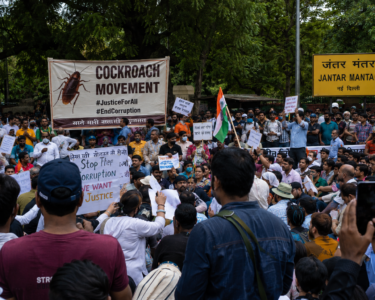
Many social movements in India have gained support through online campaigns. Hashtags and digital activism have helped raise awareness about important issues and forced authorities to respond.
The Future of Indian Politics
The future of Indian politics will be heavily connected with technology and digital communication. Political parties will continue investing in social media strategies, influencer collaborations, and AI-driven campaigns.
At the same time, citizens must become more responsible digital users. Fact-checking information, avoiding hate speech, and understanding different viewpoints are necessary for maintaining a healthy democracy.
Social media is neither completely good nor completely bad for politics. Its impact depends on how responsibly it is used by leaders, platforms, and citizens.
FAQs
1. How is social media influencing Indian politics?
Social media influences Indian politics by helping political parties connect directly with voters, spread campaign messages, and shape public opinion through digital platforms.
2. Why are young voters affected by political content online?
Young voters spend a significant amount of time on platforms like Instagram, YouTube, and X, where political content, reels, and discussions influence their opinions.
3. What are the dangers of social media in politics?
The biggest dangers include fake news, misinformation, online trolling, political polarization, and AI-generated manipulated content.
4. How is AI being used in political campaigns?
AI is used for targeted advertising, voter analysis, automated messaging, trend tracking, and personalized campaign strategies.
5. What is the future of digital politics in India?
Digital politics will continue to grow with advanced technology, influencer marketing, AI-driven campaigns, and stronger social media strategi