
 By
By Your health is more than just having a strong body. A healthy mind is equally important because it influences how you think, feel, react, and connect with others. Mental health plays a vital role in every stage of life, from childhood and adolescence to adulthood and old age. It affects your ability to handle stress, make decisions, maintain relationships, and achieve personal goals.
Modern life brings many challenges, including work pressure, financial responsibilities, academic competition, and social expectations. While occasional stress is a normal part of life, ignoring your emotional well-being can gradually affect both your personal and professional life. The good news is that small, consistent lifestyle changes can make a meaningful difference.
This guide will help you understand why emotional wellness matters, recognize early warning signs, and discover practical ways to build a healthier and more balanced life. You’ll also learn about common conditions, treatment options, and simple habits that support long-term well-being.
Read more: Digital Detox
What Is Mental Health?
Mental health refers to a person’s emotional, psychological, and social well-being. It influences how we think, manage emotions, solve problems, and respond to everyday situations. It also shapes the way we interact with family, friends, colleagues, and society.
Having good emotional well-being doesn’t mean feeling happy every moment. Everyone experiences sadness, disappointment, stress, or frustration at times. The difference lies in how effectively a person manages those emotions and recovers from difficult situations.
A healthy mind helps people remain confident, productive, and emotionally balanced even when life becomes challenging.
Why Is It Important?
Taking care of your emotional well-being benefits every area of life. People with good emotional balance often find it easier to:
- Make better decisions
- Build healthy relationships
- Handle stressful situations
- Stay focused at work or school
- Maintain self-confidence
- Adapt to change
- Solve problems calmly
Ignoring emotional concerns, on the other hand, may lead to difficulties with sleep, concentration, motivation, and overall quality of life.
The Importance of Mental Health Awareness
Creating mental health awareness helps people understand that emotional challenges are common and treatable. It also encourages individuals to seek help without feeling embarrassed or judged.
When communities openly discuss emotional wellness, they create safer environments where people feel comfortable asking for support.
Greater awareness can help:
- Reduce stigma
- Encourage early intervention
- Improve access to professional support
- Promote healthier workplaces and schools
- Strengthen families and communities
Education is one of the most effective ways to help people recognize warning signs before they become more serious.
Signs That Should Not Be Ignored
Everyone experiences emotional ups and downs, but persistent changes may indicate that additional support is needed.
Some common warning signs include:
Emotional Changes
- Feeling sad for long periods
- Constant worry
- Mood swings
- Irritability
- Feeling overwhelmed
Behavioral Changes
- Avoiding friends or family
- Losing interest in hobbies
- Difficulty concentrating
- Changes in eating habits
- Reduced motivation
Physical Symptoms
- Poor sleep
- Low energy
- Frequent headaches
- Muscle tension
- Digestive discomfort
Experiencing one or two of these symptoms occasionally is normal. However, if they continue for several weeks and interfere with daily life, speaking with a qualified professional is recommended.
Factors That Influence Emotional Well-Being
There is no single cause of emotional difficulties. Usually, several factors work together.
Genetics
Some emotional conditions may run in families, increasing the likelihood of developing similar challenges.
Physical Health
Long-term medical conditions can influence mood, energy levels, and emotional resilience.
Lifestyle Choices
Poor sleep, unhealthy eating habits, lack of exercise, and excessive alcohol or drug use may affect overall well-being.
Stressful Life Events
Major life changes such as losing a job, relationship problems, financial difficulties, or the loss of a loved one can place significant emotional strain on individuals.
Social Environment
Supportive relationships often improve emotional resilience, while loneliness and isolation may increase emotional distress.
Simple Daily Habits That Make a Difference
Improving your emotional well-being doesn’t require dramatic lifestyle changes. Small actions practiced consistently often have the greatest long-term impact.
Here are a few healthy habits to include in your daily routine:
- Get enough sleep each night.
- Stay physically active.
- Eat balanced and nutritious meals.
- Drink enough water.
- Spend time with supportive people.
- Take regular breaks from work or study.
- Practice gratitude.
- Spend time outdoors whenever possible.
These habits may seem simple, but together they contribute to a healthier and more balanced lifestyle.
Benefits of Maintaining Good Emotional Health
Looking after your emotional well-being provides benefits that extend far beyond your mood.
Some of the biggest advantages include:
- Better concentration
- Increased productivity
- Stronger relationships
- Improved confidence
- Better stress management
- Healthier decision-making
- Higher overall life satisfaction
Over time, these positive habits also support better physical health and improve your ability to cope with life’s challenges.
Why Early Action Matters
Many people wait until emotional problems become severe before seeking support. However, addressing concerns early often leads to better outcomes.
Early action can help:
- Prevent symptoms from becoming worse.
- Improve recovery time.
- Strengthen coping skills.
- Reduce daily stress.
- Improve relationships and work performance.
Remember, asking for help is not a sign of weakness. It is a positive step toward building a healthier future.
Types of Mental Health: Understanding Common Mental Health Conditions
Every person’s emotional well-being is unique. While everyone experiences stress, sadness, or worry from time to time, some people develop conditions that affect their daily lives for weeks, months, or even years. Learning about the types of mental health conditions can help you recognize symptoms early and encourage timely support.
These conditions vary in severity and symptoms. Some are temporary and improve with lifestyle changes, while others may require professional treatment. Understanding the differences also helps reduce misconceptions and promotes a more compassionate attitude toward those who are struggling.
Common Types of Mental Health Conditions
1. Anxiety Disorders
Anxiety disorders are among the most common emotional health conditions. They involve excessive fear or worry that continues even when there is no immediate danger.
People with anxiety disorders may experience:
- Constant nervousness
- Restlessness
- Rapid heartbeat
- Difficulty concentrating
- Trouble sleeping
- Panic attacks
Several treatment options, including therapy, relaxation techniques, and healthy lifestyle changes, can help manage these symptoms successfully.
2. Depression
Depression is more than occasional sadness. It is a condition that can affect emotions, thinking, energy, and daily activities.
Common symptoms include:
- Feeling sad most of the time
- Loss of interest in favorite activities
- Low energy
- Changes in appetite
- Poor concentration
- Sleep disturbances
- Feelings of hopelessness
With early treatment and proper support, many people recover and return to their normal routines.
3. Bipolar Disorder
Bipolar disorder causes noticeable changes in mood, energy, and activity levels. Individuals may alternate between periods of unusually high energy and episodes of deep sadness.
Manic Phase
- Increased confidence
- Reduced need for sleep
- Fast speech
- Risk-taking behavior
Depressive Phase
- Fatigue
- Loss of motivation
- Difficulty concentrating
- Feelings of sadness
Long-term treatment often helps people manage symptoms effectively.
4. Obsessive-Compulsive Disorder (OCD)
OCD is characterized by unwanted thoughts that lead to repetitive behaviors.
Examples include:
- Repeated hand washing
- Checking locks multiple times
- Counting objects repeatedly
- Fear of contamination
Professional guidance and therapy are commonly recommended for managing OCD.
5. Post-Traumatic Stress Disorder (PTSD)
PTSD may develop after experiencing or witnessing a traumatic event.
Possible symptoms include:
- Flashbacks
- Nightmares
- Anxiety
- Emotional numbness
- Avoiding reminders of the event
Early intervention often improves recovery and quality of life.
6. Eating Disorders
Eating disorders affect both physical and emotional health.
Common examples include:
- Anorexia Nervosa
- Bulimia Nervosa
- Binge Eating Disorder
Treatment usually involves nutritional guidance, therapy, and medical supervision.
Why Understanding Different Conditions Matters
Learning about the types of mental health conditions encourages early recognition and helps people understand that emotional disorders are medical conditions—not personal failures.
Every individual experiences symptoms differently, which is why treatment plans should always be personalized.
What Causes Emotional Health Problems?
There is rarely a single cause. Instead, emotional challenges usually develop because of several contributing factors.
Genetics
Family history may increase the likelihood of developing certain conditions.
Chronic Stress
Long-term stress related to work, studies, finances, or relationships can affect emotional well-being.
Trauma
Past experiences such as abuse, accidents, or major life changes may increase emotional difficulties.
Physical Illness
Certain long-term medical conditions may influence mood and energy levels.
Lifestyle Habits
Poor sleep, lack of exercise, unhealthy eating habits, and substance misuse can all contribute to emotional struggles.
Understanding these factors allows people to make healthier lifestyle choices and seek help earlier when needed.
Mental Health Test: Is an Online Screening Helpful?
Many people consider taking a mental health test when they notice changes in their mood or behavior. Online screening tools can provide a general idea of whether symptoms may require further attention, but they cannot provide a medical diagnosis.
A screening may be useful if you experience:
- Ongoing sadness
- Constant worry
- Difficulty concentrating
- Emotional exhaustion
- Changes in sleep
- Loss of motivation
If these symptoms continue for more than a few weeks, it is a good idea to consult a qualified healthcare professional for a complete evaluation.
The Importance of Early Support
Many emotional conditions improve significantly when they are identified early. Waiting too long may make symptoms more difficult to manage.
Seeking help early can:
- Improve recovery
- Reduce stress
- Strengthen coping skills
- Improve daily functioning
- Prevent symptoms from becoming more severe
Taking action at the right time can make a meaningful difference in overall well-being.
Common Myths and Facts
Despite increasing public education, several myths still exist.
Myth: Emotional disorders only affect adults.
Fact: They can affect people of every age, including children and teenagers.
Myth: Therapy is only for severe illnesses.
Fact: Many people attend therapy to manage stress, improve relationships, or build confidence.
Myth: Recovery is impossible.
Fact: With the right treatment and healthy lifestyle choices, many individuals experience significant improvement.
Myth: Asking for help is a weakness.
Fact: Seeking professional support is a positive and responsible decision.
How to Improve Mental Health: Practical Ways to Build a Healthier Mind
Living a balanced life requires more than eating healthy food or staying physically active. Your emotional well-being also deserves daily attention. Many people search for how to improve mental health because they want simple and practical ways to feel calmer, happier, and more confident.
The good news is that improving your emotional wellness doesn’t require dramatic lifestyle changes. Small, consistent habits often produce the biggest long-term results.
How to Improve Mental Health Naturally
If you’re wondering how to improve mental health, start by focusing on daily routines that support both your body and mind.
1. Prioritize Quality Sleep
A good night’s sleep helps your brain recover from daily stress and improves concentration, memory, and emotional balance.
To sleep better:
- Follow a regular bedtime.
- Avoid using your phone before sleeping.
- Reduce caffeine intake in the evening.
- Keep your bedroom quiet and comfortable.
Most adults need between seven and nine hours of sleep each night.
2. Stay Physically Active
Exercise benefits both physical and emotional well-being. It increases the release of natural chemicals that improve mood and reduce stress.
Good options include:
- Walking
- Cycling
- Swimming
- Dancing
- Light jogging
Aim for at least 30 minutes of activity most days of the week.
3. Eat Nutritious Foods
A healthy diet supports brain function as well as physical health.
Include foods such as:
- Fresh fruits
- Vegetables
- Whole grains
- Lean proteins
- Healthy fats
- Nuts and seeds
Try to limit highly processed foods and sugary drinks whenever possible.
4. Stay Connected
Healthy relationships provide emotional support during difficult times.
Spend time with:
- Family members
- Close friends
- Supportive coworkers
- Community groups
Talking openly with trusted people often reduces stress and improves emotional balance.
5. Practice Mindfulness
Mindfulness encourages you to focus on the present instead of worrying about the future or dwelling on the past.
Simple mindfulness activities include:
- Deep breathing
- Meditation
- Journaling
- Reading
- Spending time in nature
Practicing these activities for even ten minutes a day can make a noticeable difference.
Mental Health Tips for Everyday Life
Following simple mental health tips can help you maintain emotional balance even during stressful periods.
Here are several habits worth developing.
Start Your Day With a Plan
Creating a daily schedule helps reduce unnecessary stress and improves productivity.
Take Regular Breaks
Working continuously without rest often leads to mental fatigue. Short breaks improve focus and energy.
Limit Social Media
Too much time on social media may increase stress and comparison with others.
Learn Something New
Reading books, learning new skills, or developing hobbies keeps your mind active and improves confidence.
Practice Gratitude
Writing down a few positive moments each day helps develop a healthier outlook on life.
These small habits become powerful when practiced consistently.
Yoga for Mental Health
Many health professionals recommend yoga for mental health because it combines physical movement, breathing exercises, and relaxation techniques.
Unlike many other forms of exercise, yoga helps calm both the body and the mind.
Benefits of Yoga
Regular practice may help:
- Reduce stress
- Improve flexibility
- Increase concentration
- Support better sleep
- Promote relaxation
- Improve emotional balance
Yoga also encourages slow breathing, which naturally helps the body relax.
Beginner-Friendly Yoga Poses
If you’re just getting started, these simple poses are ideal.
Child’s Pose
Helps relax the body while gently stretching the back.
Mountain Pose
Improves posture and encourages mindful breathing.
Cat-Cow Stretch
Relieves tension in the spine and promotes flexibility.
Legs-Up-the-Wall Pose
A relaxing posture that may reduce stress after a busy day.
Corpse Pose
Usually practiced at the end of a yoga session to encourage complete relaxation.
Even 15–20 minutes of yoga several times each week can become a valuable part of a healthy lifestyle.
Mental Health Care: Why Professional Support Matters
Although healthy habits are important, there are times when professional mental health care is necessary.
Seeking expert support can help individuals better understand their emotions, identify the causes of ongoing difficulties, and develop healthier coping strategies.
Professional care may include:
- Individual counseling
- Psychological assessment
- Therapy sessions
- Stress management programs
- Lifestyle guidance
Receiving timely support often improves recovery and prevents emotional difficulties from becoming more severe.
Healthy Habits That Support Emotional Wellness
Building healthy routines is one of the best long-term investments you can make.
Consider these daily practices:
- Drink enough water.
- Spend time outdoors.
- Exercise regularly.
- Maintain a balanced diet.
- Sleep well.
- Stay connected with loved ones.
- Practice relaxation exercises.
- Set realistic goals.
- Celebrate small achievements.
- Take breaks when needed.
Remember, progress does not happen overnight. Small improvements made consistently often lead to lasting positive changes.
Read More: The Ultimate Guide to a Healthy Life
Mental Health Therapist: When Should You Seek Professional Support?
Taking care of your emotional well-being sometimes requires more than healthy habits. While exercise, proper sleep, and a balanced lifestyle can improve daily life, there are situations where speaking with a mental health therapist can make a significant difference.
A therapist is a trained professional who helps people understand their emotions, manage stress, and develop healthier coping strategies. Therapy isn’t only for people with severe conditions—it can also benefit anyone facing ongoing stress, anxiety, relationship challenges, or major life changes.
What Does a Mental Health Therapist Do?
A mental health therapist works with individuals to identify emotional difficulties and create practical solutions for improving overall well-being.
Some common areas where therapy can help include:
Managing Stress
Daily responsibilities can become overwhelming. Therapy provides practical techniques for reducing stress and improving emotional balance.
Coping With Anxiety
A therapist helps individuals understand anxious thoughts and replace unhealthy thinking patterns with healthier ones.
Recovering From Depression
Professional guidance supports people in managing low mood, improving motivation, and rebuilding confidence.
Relationship Support
Therapy can strengthen communication skills and help resolve conflicts within families, friendships, or romantic relationships.
Personal Development
Many people attend therapy to improve self-confidence, emotional resilience, and decision-making skills.
Seeking help from a therapist is a positive step toward living a healthier and more balanced life.
Mental Health Hospitals: When Specialized Care Is Needed
Most emotional challenges can be managed through counseling and lifestyle improvements. However, certain situations require more intensive treatment. In such cases, mental health hospitals provide specialized care under the supervision of experienced healthcare professionals.
These facilities offer a safe environment where patients receive personalized treatment based on their individual needs.
Services Available
Many mental health hospitals provide:
- Psychiatric evaluations
- Individual therapy
- Group counseling
- Medication management
- Crisis intervention
- Rehabilitation programs
- Family counseling
Treatment plans are usually developed by a team of psychiatrists, psychologists, nurses, and therapists working together.
When Should Someone Consider Hospital Care?
Hospital-based treatment may be recommended if:
- Symptoms become severe.
- Daily activities are no longer manageable.
- Continuous medical supervision is required.
- Outpatient treatment has not been effective.
Seeking support early often reduces the need for intensive treatment later.
Mental Health Center: Community-Based Care
A mental health center offers professional services that help people manage emotional challenges while continuing their normal daily lives. Unlike hospitals, these centers usually focus on prevention, counseling, education, and long-term support.
Many people choose a community center because it provides accessible care in a comfortable environment.
Common Services
A typical mental health center may offer:
Individual Counseling
Private sessions focused on emotional concerns and personal growth.
Family Therapy
Helping family members improve communication and strengthen relationships.
Group Programs
Support groups where people can share experiences and learn from one another.
Educational Workshops
Programs designed to improve emotional wellness and teach practical coping skills.
Preventive Services
Regular screenings and wellness programs help identify concerns before they become more serious.
These services encourage long-term emotional well-being and improve quality of life.
Conclusion
Looking after your mental health is one of the most valuable investments you can make. A healthy mind supports better decision-making, stronger relationships, improved productivity, and greater resilience during difficult times.
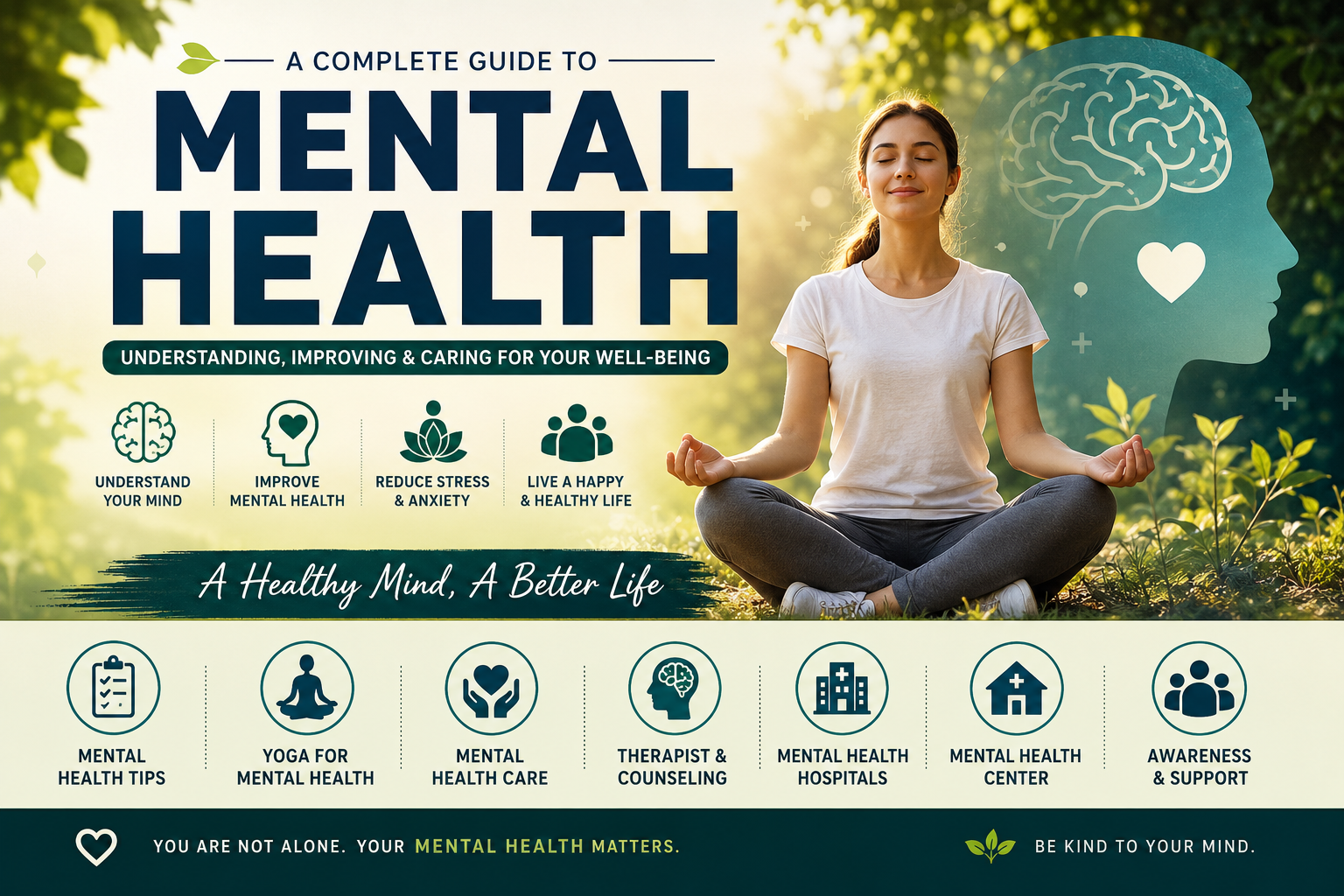
Throughout this guide, we’ve explored the importance of mental health awareness, different types of mental health conditions, practical mental health tips, the benefits of yoga for mental health, and effective strategies for how to improve mental health. We also discussed the value of professional mental health care, including guidance from a mental health therapist, services provided by a mental health center, and situations where mental health hospitals may be helpful.
Remember that lasting improvement doesn’t happen overnight. Small daily habits—such as regular exercise, quality sleep, healthy eating, mindfulness, and meaningful social connections—can have a powerful impact over time.
Most importantly, never hesitate to seek professional support if emotional challenges begin affecting your daily life. Early action often leads to better outcomes and a healthier future.
Frequently Asked Questions (FAQs)
1. What is mental health?
Mental health refers to emotional, psychological, and social well-being. It affects how people think, feel, and respond to everyday situations.
2. Why is mental health important?
Good emotional well-being improves relationships, productivity, confidence, decision-making, and the ability to cope with stress.
3. How can I improve mental health naturally?
Healthy habits such as regular exercise, quality sleep, nutritious food, mindfulness, and staying connected with loved ones can improve emotional well-being over time.
4. What is a mental health test?
A mental health test is a screening tool that helps identify possible emotional concerns. It should be followed by a professional evaluation if symptoms continue.
5. Can yoga improve emotional well-being?
Yes. Yoga for mental health may help reduce stress, improve sleep, increase focus, and promote relaxation when practiced regularly.
6. When should I visit a therapist?
You should consider speaking with a mental health therapist if emotional difficulties begin affecting your work, studies, relationships, or daily routine.
7. What services does a mental health center provide?
A mental health center generally offers counseling, therapy, educational workshops, support groups, and preventive wellness programs.
8. What is the difference between a mental health center and mental health hospitals?
A mental health center mainly provides outpatient counseling and community support, while mental health hospitals offer specialized inpatient care for individuals who require intensive treatment.