
 By
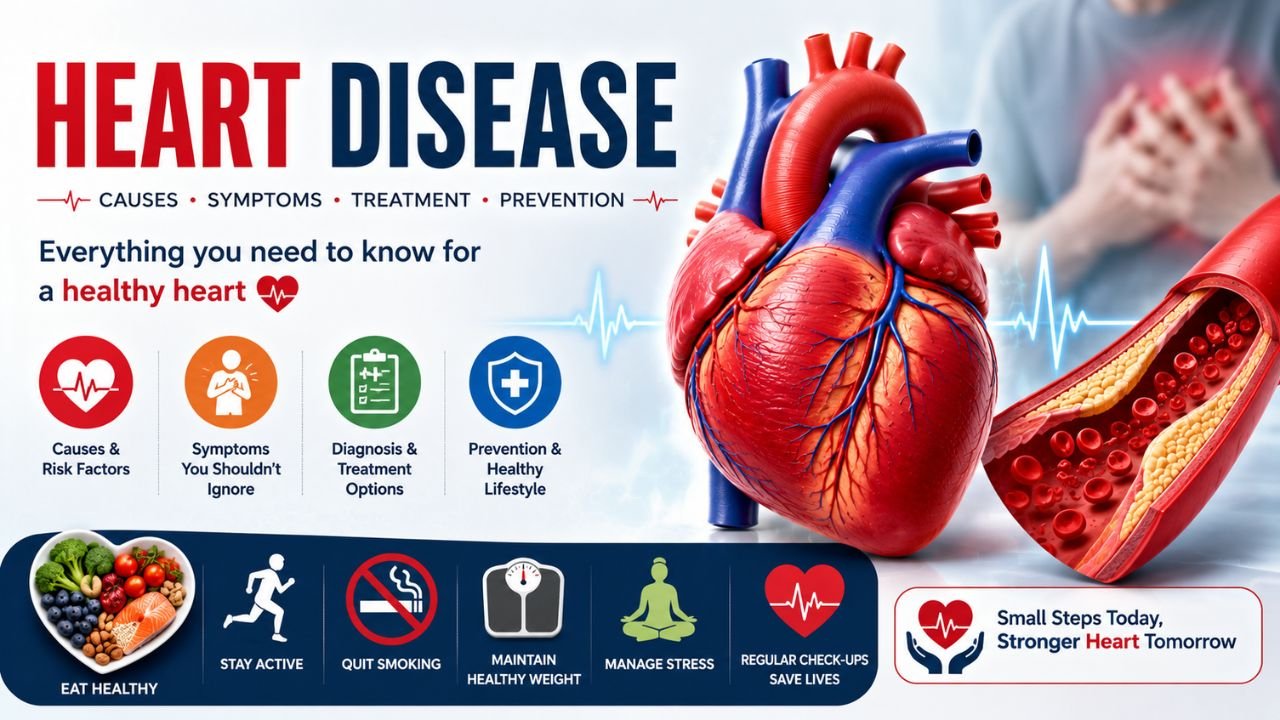
By Heart disease ranks one of the leading causes of death across the globe, millions getting impacted every year. Heart disease is a term used to describe a range of diseases that affect the structure or function of the heart and blood vessels. These conditions could limit blood flow, damage the heart muscle, harm heart valves, or disrupt the heart’s electrical system. Proper diagnosis, adequate medical care and healthy lifestyle are the cornerstone of complication minimization and quality of life enhancement for patients.
Heart disease ranks among the leading causes of death worldwide, affecting millions of people every year. According to the World Health Organization (WHO), cardiovascular diseases are the leading cause of death globally, accounting for an estimated 17.9 million deaths each year.
Modern ways of living, poor diet, smoking, stress, obesity, diabetes and hypertension have led to an alarming increase in the incidence of heart-related disease across all age groups. Although certain heart diseases have a genetic cause, many are preventable through regular physical activity, a healthy diet, appropriate cholesterol levels and periodic screening. If people know what signs to look for and what the risk factors are, they could get treated before complications like a heart attack or stroke occurs.
What Is Heart Disease?
One of the most asked questions is, what is heart disease? This is a non-specific utility medical term for numerous disorders of the heart, arteries and also valves and blood vessels. These conditions disrupt the heart’s normal ability to pump oxygenated blood efficiently throughout the body.
Aside from similarities, different types of heart disease develop because of different reasons. Some are due to an accumulation of fat plaque within the arteries, while some result from infections, congenital defects, hypertension or damage to the heart muscle. Any form of heart disease, if left untreated, can cause serious health conditions such as heart failure, arrhythmia, stroke and/or sudden death.
Doctors categorize heart disease based on the affected portion of the cardiovascular system. Physical examination, blood tests, ECG, echocardiography, stress test and COVID-19 coronary angiography diagnose this life threatening disease early so that effective treatment can be adopted.
What Causes Heart Disease?
The big question of everyone is what is the cause of heart disease? Well, the answer is based on each condition, but well-known risk factors play a role in heart disease.
The most frequent reason is the slow deposit of plaque loaded with cholesterol inside the coronary arteries, which hinders blood flow toward the heart. This is called atherosclerosis, and it makes you more vulnerable to heart attack and stroke.
Other major causes include:
- High blood pressure
- High cholesterol
- Diabetes
- Smoking and tobacco use
- Obesity
- Physical inactivity
- Excessive alcohol consumption
- Chronic stress
- Unhealthy diet
- Aging
- Family history of cardiovascular disease
Other types of heart disease are caused by inflammation, autoimmune disorders, bacteria, viruses or even congenital defects. Multiple risks usually pile up from nearly a decade or longer producing no symptoms in many people.
Is Heart Disease Genetic?
Discover patients often inquire, is heart disease hereditary? Of course genetics influences cardiovascular health. Individuals whose close relatives developed heart disease at an early age are at a greater risk of developing the same condition.
These may impact how cholesterol is processed, how blood clots or the structure of heart muscle or electrical pathways in the heart. So, even if a person has a genetic predisposition, it is not only the fact that he/she will get heart disease. The overall risk can be greatly minimised by practicing some healthy lifestyle habits.
Is Heart Disease Hereditary?
A frequent question is as follows; does heart disease run in family? In many cases, yes. Inherited disorders like familial hypercholesterolemia can elevate cholesterol hugely since childhood, predisposing the individual to a higher risk of coronary artery disease.
But hereditary factors should be viewed in conjunction with environmental influences. Cardiovascular risk factors: Regular exercise, normal body weight, blood pressure control and smoking cessation and a heart-friendly diet continue to be potent cardiovascular risk reduction therapies even in the presence of a robust family history.
Heart Disease Symptoms
It is vital to identify heart disease symptoms sooner than later. Symptoms depend on the underlying disease, yet some warnings should never be overlooked.
Common heart disease symptoms include:
- Chest pain or discomfort
- Shortness of breath
- Fatigue
- Rapid or irregular heartbeat
- Dizziness
- Leg, ankle, or foot swelling
- Shoulders, neck, jaw pain or arms
- Cold sweats
- Nausea
- Reduced exercise tolerance
Symptoms of heart disease for women could include nausea, upper back pain, inexplicable fatigue and discomfort similar to sensation of indigestion as opposed to heavy chest ache. Routine health assessments are vital, since “silent” heart disease can manifest in older persons and diabetic patients as having very few symptoms.
Major Risk Factors of Heart Disease
There are a number of risk factors that significantly increase the likelihood of heart disease. Some you cannot change, others are completely preventable.
High Blood Pressure
That’s important because high blood pressure over the years wreaks havoc on artery walls, leaving them open to a buildup of plaque. Chronic high blood pressure can ultimately cause cardiac and vascular hypertensive sequelae.
High Cholesterol
Too much LDL cholesterol leads to build up of fatty deposits in arteries and restrict the flowing of oxygen rich blood towards your heart.
Diabetes
This happens because diabetes increases the risk for heart disease and it does so by damaging blood vessels and promoting atherosclerosis in one way or another due to high blood sugar levels.
Smoking
Cigarette consumption continues to be one of the most avoidable risk factors for cardiovascular disease. Tobacco harms blood vessels, increases blood pressure, reduces oxygen provision to the body and thyme triggers the formation of blood clots.
Obesity
More weight in the body puts pressure on the heart, and it makes diabetes, hypertension, cholesterol bad.
Physical Inactivity
Staying active regularly makes the heart muscle stronger, improves blood flow throughout the body, lowers blood pressure, and helps in normalizing LDL cholesterol. If someone has a sedentary lifestyle when his/her chances of heart disease are doubled.
Stress
Sustained emotional pressure leads to alterations in hormones that elevate blood pressure, inflammation, and poor lifestyle adjustments, all of which predispose to cardiovascular damage.
Lifestyle Habits That Increase Heart Disease Risk
Eating behaviors and physical activity patterns have drastically changed with modern lifestyles. Regular intake of processed foods with excessive sodium, trans fats, and added sugars can lead to obesity and poor heart health.
Sleep deprivation, prolonged screen time, smoking and alcohol consumption, unmanaged stress or the absence of regular exercise can be additional risk factors for cardiovascular disease. In the long run, these causes weaken arteries, disrupt God circulation and add workload to the heart muscle.
Long-term CVD risk can also be markedly decreased with healthier choices in the form of fruits, vegetables, whole grains, lean proteins, nuts and healthy fats. Implementing these diet revisions together with exercise, sufficient sleep and periodic medical evaluations arguably constitutes one of the most important schemes to prevent cardiovascular disease.
Types of Heart Disease, Diagnosis, and Treatment
Heart disease is the blanket term for a number of different illnesses as each type has its own particular impact on the heart, meaning it needs to be treated in its own way. You may have been born with other disorders that can happen when a person has an infection, high blood pressure that hasn’t been controlled properly or damage to the muscle of the heart. This exact identification of the kind of heart disease will help doctors obtain evidence-based treatment plans primarily to minimize serious complications.
What Are the 4 Types of Heart Disease?
Trying to analyze the 4 types of heart disease through cardiovascular disease information forum outputs. There are various cardiac disorders, but the four major groups include:
- Coronary heart disease
- Congenital heart disease
- Rheumatic heart disease
- Hypertensive heart disease
Doctors also often diagnose ischemic heart disease, cyanotic heart disease, heart failure, arrhythmias and valve disorders that when left untreated can significantly impair cardiac functioning.
What Is Coronary Heart Disease?
Coronary heart disease is one of the main frequently asked questions. Coronary heart-related disease is defined as the extreme narrowing or blockage in coronary arteries which supply oxygen-rich blood to the heart. The accumulation of these factors is called atherosclerosis, and over time this narrows the blood flow and makes your heart work harder.
Chest pain (angina) shortness of breath fatigue or discomfort on exertion in patients with coronary heart disease. In extreme situations, this full blockage can set off a cardiac arrest, which virtually usually must be treated without delay as an emergency.
The risk of coronary heart disease is raised by many factors such as smoking, diabetes, obesity, high cholesterol or triglyceride levels in the blood, high blood pressure (hypertension), lack of exercise and health food habits including chronic stress. Fortunately, a lot of these risk factors are manageable with lifestyle adjustment and suitable clinical treatment.
What Is Ischemic Heart Disease?
What is ischemic heart disease is another common question. Coronary system atherosclerosis is the decrease of blood flow through coronary courses, which means the heart muscle does not get enough oxygen to support its activity. Ischemic coronary illness is fundamentally called angina pectoris or myocardial deadness. It accounts for one of the highest deaths from cardiovascular causes in the world.
Ischemic heart-related disease is closely related to coronary artery disease, but it refers to the oxygen supply in the muscle of your heart, which is one type of ischemia due to narrowing or blocking arteries.
Common signs and symptoms of ischemic heart disease include:
- Chest pressure or tightness
- Pain spreading to the left arm, jaw, neck, or back
- Shortness of breath
- Fatigue
- Sweating
- Dizziness
- Nausea
Outcomes improve with early diagnosis and treatment, even in very young patients and at much earlier stages of the disease, reducing the risk of heart attack and heart failure.
What Is Congenital Heart Disease?
Still, many parents wonder what congenital heart disease is? Congenital heart-related disease is the term for structural abnormalities of the heart that you are born with. These defects form while the heart of the baby is developing in pregnancy.
Cleft lip and palate are an instance of a minor congenital defect, which are possibly not at all difficult to treat because a basic condition · 13 Oct 2023 is likely to happen over a prolonged period of time.
Common examples include:
- Septal defects (Pores in the Heart Muscle)
- Valve abnormalities
- Abnormal blood vessel connections
- Narrowed arteries
- Complex congenital heart defects
With the advent of noninvasive imaging, anesthesiology and surgical techniques, pediatric cardiology and cardiac surgery have demonstrated greatly promising improvements in survival rates that allow many children with congenital heart-related disease to survive into adulthood in a healthy, productive 3 life.
What Is Rheumatic Heart Disease?
Rheumatic heart disease Ibps projection question is likely to search the sentence for rheumatic sardine Rheumatic heart-related disease definition combines permanent damage to the heart valves due to rheumatic fever (a complication that follows untreated streptococcal throat infection).
Rheumatic fever causes the body’s immune system to attack healthy heart tissue, leading to inflammation and permanent damage to heart valves in the future. Over time, this damage can develop into narrowed or leaking heart valves.
Rheumatic Heart Disease Symptoms
If you catch rheumatic heart-related disease symptoms sooner, you can treat them before lasting injuries take place.
Some Rheumatic heart-related disease symptoms that you may find common are:
- Chest discomfort
- Fatigue
- Shortness of breath
- Swollen feet
- Heart palpitations
- Irregular heartbeat
- Dizziness
- Reduced physical endurance
One of the most efficient ways to avoid rheumatic fever and limit the risk of creating rheumatic coronary heart sickness is through immediate remedy with antibiotics if strep throat happens.
Cyanotic Heart Disease
Cyanotic heart-related disease is a severe variant of congenital heart defect which results in the return of deoxygenated blood instead of oxygenated rich blood circulating through the body. Consequently, we may develop cyanosis (meaning blue skin, lips and nail beds).
Common clinical presentation in case of cyanotic heart disease:
- Rapid breathing
- Poor feeding
- Delayed growth
- Fatigue
- Blue discoloration of the skin
- Difficulty during physical activity
The majority of the cases need particular heart surgical operation or catheter-directed approaches immediately after birth in order to help with oxygen gaining access.
Hypertensive Heart Disease
After many years of untreated hypertension, hypertensive heart disease develops. Chronic high blood pressure requires the heart to work harder against this greater resistance, resulting in thickening of the heart muscle that ultimately weakens it.
Hypertensive heart-related disease can progress to: without treatment.
- Heart failure
- Irregular heartbeat
- Enlarged heart
- Kidney complications
- Stroke
- Reduced pumping efficiency
Controlling blood pressure with medications, exercise, stress management techniques, weight reduction efforts, and a low-sodium diet dramatically reduces the probability of it developing.
How Doctors Diagnose Heart Disease
heart-related disease can be treated before irreversible damage happens if detected in early phase. The underlying cause is determined by physicians using a combination of history, physical examination, laboratory testing, and advanced imaging.
Common diagnostic tests include:
- Electrocardiogram (ECG)
- Echocardiogram
- Stress test
- Coronary angiography
- Cardiac CT scan
- Cardiac MRI
- Cholesterol, glucose and cardiac enzymes blood tests
- Holter monitoring
- Chest X-ray
The investigation is dictated based on the presenting symptoms, age of the patient, and disease history along with suspected type of heart disease.
Heart Disease Treatment
After hearing a diagnosis of heart disease, many search the internet for treatment options. The best way to treat heart disease varies depending on the type of heart condition, how severe it is, and other health problems the patient may have.
Treatment typically incorporates lifestyle changes with drug therapy and, when indicated, interventional/noninterventional approaches or surgical procedures.
Doctors commonly recommend:
- Heart-healthy diet
- Regular physical activity
- Weight management
- Smoking cessation
- Blood pressure control
- Cholesterol management
- Diabetes control
- Stress reduction
- Regular follow-up appointments
Others may need supplemental procedures, such as angioplasty with stent placement, valve repair, CABG (Coronary Artery Bypass Grafting), pacemaker implantation and various other specialized cardiac interventions to regain homeostasis heart function.
Drugs for Heart Disease
Many of the drugs for heart disease act to improve blood flow, decrease blood pressure, prevent clotting and lessen cardiac burden. The type of drug given depends on the cause and condition of the patient.
The types of drugs for heart-related disease commonly used are:
- Clutch patch medicines to stimulus clump arrangement
- Statins to lower LDL cholesterol
- Beta-blockers to decrease heart workload
- ACE inhibitors and ARBs for blood pressure control.
- Nonsteroidal antiinflammatory drugs for pain and inflammatory conditions
- Diuretics to reduce excess fluid
- Anticoagulants when indicated in patients at risk of thromboembolism
- Nitrates to relieve chest pain
Take the medications as prescribed and never go off treatment without first discussing it with a healthcare professional. Follow-up visits are performed regularly to determine effectiveness, manage any side effects of treatment, and change therapy as necessary.
The best approach to the management of heart-related disease in general is a combination of early diagnosis, evidence-based treatment, healthy habits and regular medical supervision. Many people with cardiovascular conditions can make a full recovery, lead active and fulfilling lives and take minimal disruption to normal daily life with the right level of care in place.
How to Prevent Heart Disease
One of the most popular searches is on how to get out of heart disease. While there is no foolproof technique to prevent heart disease, adhering to healthy lifestyle practices offers a very good chance of avoiding cardiovascular issues.
Some methods to avoid heart-related disease are listed below:
- Have a balanced diet of fruits, vegetables, whole grains, legumes, lean proteins, and healthy fats.
- Restrict foods that are high in saturated fat, trans fat, added sugar, and sodium.
- At least 150 minutes of exercise per week walking, cycling, swimming and jogging are excellent options.
- Keep your body weight under control; this will decrease the load on the heart.
- Stop using all forms of tobacco and ensure that your environment is free from exposure to secondhand smoke.
- Limit alcohol consumption.
- Maintain blood pressure, blood sugar and cholesterol levels in the recommended range.
- Get adequate sleep every night.
- Stress can be managed via meditation, yoga, deep regarding breathing exercises and some hobbies.
- Make routine visits to the doctor for health issues before they are large-scale.
There is a very significant reduction in the risk of heart-related disease and long-term health by following these prevention strategies.
How to Avoid Heart Disease
Another question you can ask yourself is how do I avoid heart disease. Instead of a single solution, you achieve results by taking small lifestyle improvements over time. We have all read this phrase: the slow and gradual daily modifications are sometimes more successful than waiting for a drastic effort sporadically.
Experts recommend the following to avoid heart disease:
- Eating home cooked meals instead of highly processed food.
- Using nutrition labels to limit sodium and unhealthy fats.
- Passing the day doing physical sports activities.
- Avoiding prolonged sitting.
- Managing stress effectively.
- Drinking enough water.
- Maintaining a healthy weight.
- Taking prescribed treatment if you have diabetes, hypertension or high cholesterol.
- Checking blood pressure and blood sugar frequently.
These habits are critical in protecting blood vessels, improving circulation and decreasing inflammation all vital to a healthy heart for life.
Intermittent Fasting and Heart Disease
Intermittent fasting heart-related disease has become one of the hot research topics in medicine. Intermittent fasting is not another particular way of eating it follows a pattern of eating (and then fasting) rather than restricting certain foods during your meals.
May improve cardiovascular health by helping them to:
- Lose excess body weight
- Improve insulin sensitivity
- Lower blood sugar levels
- Reduce LDL bad cholesterol
- Improve blood pressure
- Reduce inflammation
- Support healthier metabolism
They are believed to help reduce some cardiac risk factors. But intermittent fasting is not for everyone. If you have diabetes, cardiovascular disease in advanced stages, pregnancy, eating disorders or take certain medications please seek medical care before starting any fasting plan.
Instead of conceiving fasting as a remedy, it should be one element among a holistic heart-healthy lifestyle involving sound nutrition, regular exercise, sufficient sleep and medical supervision.
Top Foods for a Strong Heart
The role of nutrition in helping you avoid heart-related disease a diet friendly for the heart ensures that blood circulation works fine, cholesterol levels are low and also blood pressure remains normal.
Foods that help cardiovascular health include:
- Leafy green vegetables
- Berries
- Apples
- Citrus fruits
- Oats
- Brown rice
- Whole wheat
- Beans and lentils
- Almonds and walnuts
- Chia seeds and flaxseeds
- Coldwater fish high in omega-3s
- Olive oil
- Low-fat dairy products
Examples of food that should be limited include but not limited to processed meat, sugary drinks, fried foods, packaged snacks/refined carbohydrates and trans fatty and highly salty products.
Importance of Regular Exercise
By exercising, we build the heart muscle, boost circulation, and increase good HDL cholesterol while controlling blood pressure and acting as weight control. Adults should do at least 150 minutes of moderate-intensity exercise or 75 minutes a week of more vigorous activity.
Examples of heart-healthy activities:
- Brisk walking
- Cycling
- Swimming
- Dancing
- Jogging
- Yoga
- Strength training
- Stretching exercises
Even the small lifestyle habits, like taking the stairs, walking after a meal, and gardening, can improve cardiovascular fitness.
When Should You See a Doctor?
Get medical care right away if you have symptoms of severe chest pain, sudden shortness of breath, fainting, pain in the arm or jaw, or an irregular heartbeat with dizziness. An early diagnosis and treatment can prevent complications that could prove deadly.
Diabetic patients, hypertensives, obese individuals, people with high cholesterol levels and those with a family history of heart-related disease should undergo regular cardiovascular screening even when feeling well.
Read more: Blood in Sputum | Diabetes in a Digital Age
Conclusion
Cardiac illnesses are the leading killers worldwide, but they can be avoided through education, screening and sound life decisions. This includes knowledge of different conditions including coronary heart disease, ischemic heart disease, congenital heart disease, rheumatic heart disease, cyanotic heart disease and hypertensive heart failure that may help individuals in recognizing warning signs before the trouble escalates to require timely medical intervention.
By following heart-healthy lifestyle behaviors, such as regular physical activity, healthy eating patterns, and achieving a healthy weight; and avoiding tobacco use; as well as having managed blood pressure and cholesterol levels with medications if needed for the treatment of established cardiovascular disease you can substantially reduce your risk. Modern pharmacologic agents, interventional procedures, and surgical procedures are available to help alleviate these problems in many patients when necessary.
The knowledge you will gain with this article is sufficient to maintain your heart health through lifestyle changes that will reduce the risk of complications and lead a healthier, more active life for many more years.
Frequently Asked Questions
Q1: What does the term heart disease mean?
The term heart disease encompasses multiple categories of heart and blood vessel related conditions. These include coronary artery disease, heart valve disease, congenital heart disease, arrhythmias, and heart failure.
Q2: What is ischemic heart disease?
Ischemic heart disease involves chest pains and heart attacks due to the heart muscle not receiving enough blood and oxygen which is caused by a blockage or narrowing of the coronary arteries.
Q3: How can heart disease be avoided?
To avoid heart disease it is important to keep a balanced diet and healthy weight, exercise, not smoke, keep blood pressure low and diabetes under control, keep stress levels low, and see the doctor regularly.
Q4: Is heart disease caused by genetics?
Yes, there can be some genetic component to heart disease when it comes to inherited structural abnormalities of the heart and inherited disorders of cholesterol. However, the risk can be lowered by healthy living.
Q5: Is heart disease passed down?
Some types of heart disease can be passed down within families. If heart-related disease is present in the family then regular screening and preventive care is important.
Q6: What is congenital heart disease?
Congenital heart disease is a broad term for heart conditions involving abnormal heart structure that occur in utero. Some of these defects are insignificant and others can be life-threatening, requiring surgical intervention.
Q7: What is coronary heart disease?
Coronary heart disease occurs when plaque build-up in narrowed coronary arteries decreases blood flow to the heart. This causes a higher risk of heart attacks and angina.
Q8: What is rheumatic heart disease?
Rheumatic heart disease is cardiac injury to the valves from rheumatic fever, which can be the result of a throat infection caused by a streptococcus infection that is not treated.
Q9: How to avoid heart disease?
A heart-healthy diet, regular exercise, effective stress management, no smoking, only occasional alcohol consumption, regular blood pressure and cholesterol checks, and following the advice and treatment of your doctor will help avoid heart disease.
Q10: What causes heart disease?
Some of the more common causes are atherosclerosis, high blood pressure, diabetes, poor diet, lack of exercise, smoking, obesity, chronic stress, high cholesterol, age, and heredity.

1 Comment