 By
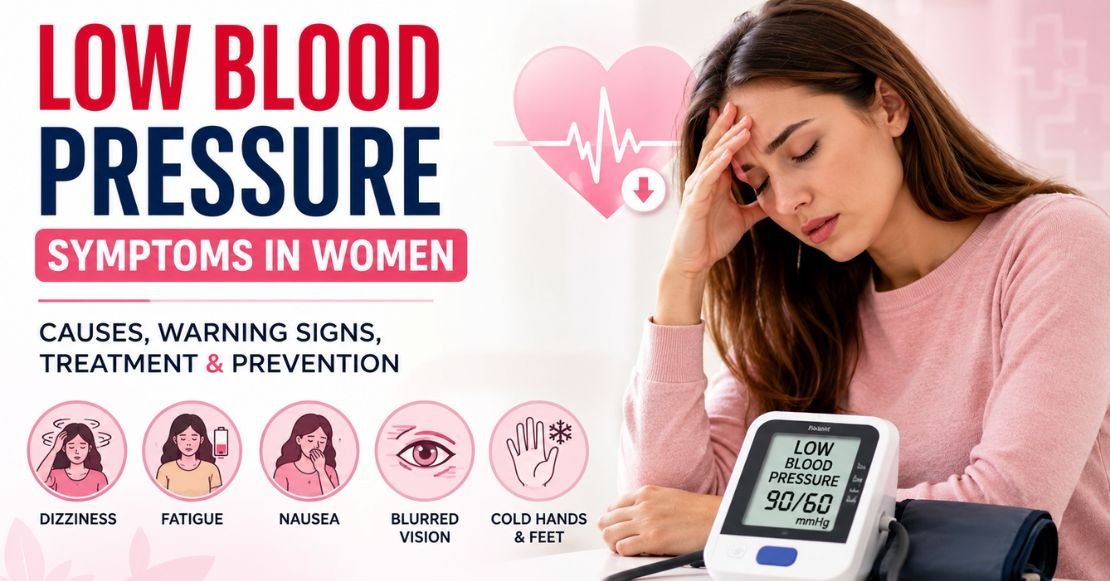
By Hypotension, or low blood pressure is a condition that occurs when the pressures of the blood are less than that subject to normal physiological range. Well some women have low blood pressure without any issues of their own health, while other women can fall blistered by a distinct manifestation assaulting their lives. It is important to become familiar with low blood pressure symptoms in women because untreated hypotension can cause dizziness, fainting and fatigue or may accompany something more serious in severe cases.
Hormonal changes, pregnancy, menstruation or certain medical conditions can lead to blood pressure fluctuations in women as compared to men. The early identification of low blood pressure manifestations in women allows complications to be prevented and medical care administered quickly. The symptoms might be sporadic or last for a longer duration, but they should be never ignored all the time.
What Is Low Blood Pressure?
Blood pressure is the force of blood against the walls of your arteries as your heart pumps. Normal blood pressure is usually approximately 120/80 mmHg. Low blood pressure is when a measurement of blood pressure is below 90110 mmHg.
Not every woman suffers from low blood pressure symptoms in women. Actually, some healthy individuals have lower readings naturally with no problem. But when blood pressure falls enough to decrease the reach of blood to organs such as the brain and hair, there can be significant low symptoms in women.
Hypotension can appear rapidly or over a longer period of time, depending on the root cause. It can be short-lived as in the case of dehydration or excessive standing, or it could happen due to chronic medical illnesses that need proper diagnosis and management.
Why Are Women More Prone to Low Blood Pressure?
Several biological and hormonal factors make women more susceptible to hypotension than men. Hormonal fluctuations throughout life can significantly influence blood pressure levels.
Some common reasons include:
- Hormonal changes during menstruation
- Pregnancy-related circulatory changes
- Excessive bleeding during menstruation
- Dehydration
- Nutritional deficiencies
- Thyroid disorders
- Certain medications
- Heart-related conditions
Women may also have postural or orthostatic hypotension, a temporary drop in blood pressure after quickly getting up from sitting position. It can lead to sudden low blood pressure symptoms in women, particularly during hot weather or after sitting for long period of time
What are the Causes of Hypotension in Women
Knowing the causes helps to find a proper treatment. There can be numerous causative factors for hypotension, which may vary from simple dehydration to an underlying health condition.
Dehydration
Dehydration is often the most common cause of low blood pressure symptoms in women. Dehydration occurs when more fluids are lost than are taken in, decreasing blood volume and requiring the heart to work harder to pump blood.
Common causes of dehydration include:
- Excessive sweating
- Vomiting
- Diarrhea
- Fever
- Not drinking enough water
Pregnancy
The circulatory system expands much faster than the body and reacts through hormones to support your growing baby during pregnancy. Consequently, blood pressure actually lowers, especially during the first and second trimesters.
Women who are pregnant often experience low blood pressure symptoms after standing for too long like dizziness, weakness, or lightheadedness.
Hormonal Changes
Hormonal imbalances, for example, in the thyroid or adrenal hormones may low blood pressure symptoms in women. More obviously sought causes include those familiar to every medical student: hypothyroidism and adrenal insufficiency.
Nutritional Deficiencies
Deficiencies in essential nutrients like:
- Vitamin B12
- Folate
- Iron
are also known to lower red blood cell production causing anemia which causes low blood pressure symptoms in women.
Heart Conditions
Some heart diseases impair the heart’s pumping function.
Examples include:
- Slow heart rate
- Heart valve disorders
- Heart failure
- Heart attack
Such conditions can sometimes lead to chronic hypotension which needs urgent medical assistance.
Medications
There are many medications which can low blood pressure symptoms in women, such as:
High blood pressure medicines
- Diuretics
- Antidepressants
- Parkinson’s medications
- Some heart medications
Consult your doctor if any symptoms occur after starting a new medicine.
Severe Infection (Sepsis)
Septic shock can also occur during a serious infection, when it suddenly and dangerously lowers blood pressure and must be treated as an emergency.
Blood Loss
However, low blood pressure signs in women are due to heavy menstrual bleeding, surgery, injuries or internal bleeding reducing the blood volume.
Early Low Blood Pressure Symptoms In Women
If the symptoms could be recognised early, then timely treatment can also be started before complications arise.
Here are some of the first low blood pressure signs in women
- Dizziness: Sudden dizziness upon standing is the most frequent red flag.
- Lightheadedness: Women often say that they feel faint as soon as they stand.
- Blurred Vision: Blood Flow to the Eyes May Cause Temporary Changes in Vision
- Weakness: Hypotension is often accompanied by general body weakness owing to lesser supply of oxygen-rich blood muscle.
- Fatigue: Another early sign of low blood pressure in women is constant fatigue even after adequate sleep.
- Difficulty Concentrating: Less blood flow to the brain makes it hot to concentrate on everyday tasks.
- Nausea: The nausea you experienced during low BP episodes is occasionally common in females when blood pressure drops with dizziness.
- Cold Hands and Feet: It is the bad circulation that often makes your extremities feel unusually cold.
- Pale Skin: Insufficient blood flow can cause the skin to feel pale or clammy.
- Increased Thirst: In dehydration-induced hypotension, the thirsty feeling becomes a crucial symptom.
Common Low Blood Pressure Symptoms In Women
While symptoms vary in severity from individual to individual. Some women have occasional episodes, whereas in others the problem is persistent.
The low blood pressure symptoms in women may include:
- Frequent dizziness
- Fainting (syncope)
- Blurred or tunnel vision
- Cold, clammy skin
- Weak pulse
- Extreme fatigue
- Lack of energy
- Confusion
- Poor concentration
- Rapid breathing
- Nausea
- Neck discomfort
- Headache
- Feeling unsteady while walking
- Increased sweating
These symptoms typically get more intense with sudden standing, missing meals, extended heat exposure or dehydration.
When Is Low Blood Pressure Dangerous?
Mild hypotension is often benign, but some symptoms need to be brought to the attention of medical professionals without delay.
Go to a hospital If you feel low blood pressure symptoms in women associated with:
- Chest pain
- Difficulty breathing
- Severe confusion
- Loss of consciousness
- Persistent fainting
- Blue lips
- Severe weakness
- Signs of shock
This condition may be life-threatening and urgent treatment is needed.
Types of Low Blood Pressure
Knowing that there are a few types of hypotension, as well as recognizing the cause can come in handy when looking for appropriate treatment. The common low BP symptoms in women may seem similar but the reasons behind it can be very dissimilar.
Orthostatic Hypotension
Orthostatic hypotension, or postural hypotension, is when blood pressure suddenly drops after you stand up from a sitting or lying position. One of the most frequent causes of low blood pressure symptoms in women, especially in older adults and pregnant women.
Common symptoms include:
- Sudden dizziness
- Blurred vision
- Lightheadedness
- Feeling faint
- Loss of balance
Postprandial Hypotension
Postprandial hypotension low blood pressure that happens after you eat a meal. But blood is being directed to the digestive system, leading to a temporary occurrence of low blood pressure.
Whom might be discovered to have the accompanied signs of this way:
- Fatigue
- Dizziness
- Weakness
- Sleepiness after meals
Neurally Mediated Hypotension
It occurs because the heart and brain do not communicate properly, resulting in blood pressure plummeting after prolonged standing.
Young women may experience:
- Fainting
- Dizziness
- Nausea
- Weakness
Severe Hypotension (Shock)
Severe hypotension is an emergency. It may be caused by excessive loss of blood, serious infections, allergic reactions or heart problems. Such shox must b3 treated immediateky to stave off organ damage.
Risk Factors for Low Blood Pressure in Women
There are multiple factors which make a woman more prone to suffer from the low blood pressure symptoms in women.
Pregnancy
Blood pressure lowers for the duration of pregnancy because blood vessels widen to supply blood, and as vitamins, to your growing little one.
Aging
The body works less well to regulate blood pressure as a woman ages, which increases the risk for dizziness and falls.
Nutritional Deficiencies
Anaemia due to deficiency of vitamin B12, folate or iron is often responsible for low blood pressure in women.
Chronic Medical Conditions
Having certain conditions may increase your risk, which include:
- Diabetes
- Parkinson’s disease
- Thyroid disorders
- Adrenal gland disorders
- Heart disease
Medications
Some drugs can lower pressure, especially:
- Diuretics
- Beta-blockers
- Antidepressants
- Medicines for Parkinson’s disease
- Blood pressure medications
Hot Weather
Profuse sweating leads to loss of fluids, putting patients at greater risk for dehydration and hypotensive crisis.
Prolonged Bed Rest
Staying in one position for too long can reduce the effectiveness of blood transport and, in women, it causes hypotension when standing.
It is performed through something called a sphygmomanometer; when used, this instrument wraps around the arm and helps to listen to how many heartbeats or arterial noises there are in one minute.
Now, if you are facing low blood pressure symptoms in women too many times then there will be multiple tests performed by your doctor for determining the cause.
Blood Pressure Measurement
Measure your blood pressure from a conventional blood pressure meter.
Blood Tests
Blood tests help detect:
- Anemia
- Blood sugar abnormalities
- Vitamin deficiencies
- Hormonal disorders
- Infections
Electrocardiogram (ECG)
The ECG (electrocardiogram) detects the rhythm of the heart and records its electrical activity.
Echocardiogram
This specific heart imaging test looks at the structure of your heart and how well it pumps.
Tilt Table Test
A tilt table test examines how your body reacts to changes in position if symptoms happen when you’re standing.
Holter Monitoring
Holter Monitor worn over 24 to 48 hours, the portable ECG is a small addition that records electrical activity of the heart to pinpoint anomalies in rhythm.
What Is a Dangerous Low Blood Pressure for a Woman?
low blood pressure symptoms in women is considered dangerous.
In general, blood pressure lower than 90/60 mmHg is taken to be on the low side. But the threat depends less on the figure than on signs.
A woman should get herself treated at emergency department for low blood pressure symptoms in women if are associated with:
- Fainting repeatedly
- Chest pain
- Difficulty breathing
- Severe confusion
- Loss of consciousness
- Rapid, weak pulse
- Cold, clammy skin
- Signs of shock
Such symptoms might be suggestive of inadequate perfusion to vital organs.
If you are wondering about what blood pressure reading is considered dangerously low in women, consult a provider anytime, but especially if outliers are severe or recurrent.
Low Blood Pressure Symptoms Treatment For Women
Management is dictated by the etiology of the condition. Mild hypotension often relieves with basic lifestyle changes, but persistent or serious cases will require medication.
Drink More Fluids
Drinking more water helps replenish blood volume and reverse female-related low blood pressure symptoms caused by dehydration.
Aim for good hydration throughout the day, especially in hot weather or if ill.
Increase Sodium
For some women, doctors may suggest increasing sodium a bit to try to boost blood pressure. On the other hand, too much salt can be bad for you (and especially those who have heart disease, or kidney disease).
Do not increase your salt intake without your doctor’s advice.
Eat Small, Frequent Meals
It is known that heavy meals could lead to low blood pressure symptoms in women.
Instead:
- Eat smaller meals
- Avoid overeating
- Include protein-rich foods
- Choose whole grains
- Stay hydrated during meals
Wear Compression Stockings
For example, compression stockings enhance blood circulation in the legs and decrease pooling of blood and this indirectly helps reduce dizziness and fainting attacks.
Stand Up Slowly
Women with OF (low blood pressure symptoms in women) should be careful not to stand up from a sitting/lying position too quickly.
Just having a seat before standing, like on the threshold of bed for 60 seconds etc can help tremendously when it comes to managing dizziness.
Exercise Regularly
Physical exercise increases blood circulation and supports the heart system.
Suitable exercises include:
- Walking
- Swimming
- Cycling
- Yoga
- Stretching
Do not exercise in extreme hot weather conditions.
Treat Underlying Medical Conditions
In patients having hypertension due to affecting disorder (Anemia, thyroid disorders, Diabetes and heart disease) improving the blood pressure by treating disease process underlying.
Adjust Medications
Medications can cause harm and lead to which experienced with low blood pressure symptoms in women.
Your doctor may:
- Reduce the dosage
- Change the medication
- Recommend alternatives
Do not stop any of the medicines you are taking without consulting your doctor.
Medications for Chronic Hypotension
If lifestyle changes do not change the game, your physician may choose to give you remedies that elevate blood strain.
The treatment depends upon the underlying cause and must be guided by a doctor.
Possible Complications of Untreated Low Blood Pressure
The following are few complications of ignoring low blood pressure symptoms in women:
- Frequent falls
- Bone fractures
- Head injuries
- Reduced blood flow to organs
- Kidney damage
- Heart complications
- Shock (in severe cases)
Timely diagnosis and appropriate treatment also decrease the chance of these complications.
Tips to Prevent Low Blood Pressure Symptoms in Women
In most cases, low blood pressure symptoms in women does not occur as a preventive measure, but maintaining healthy habits can help minimize the risk factors for signs of loss and helps women reduce hypotension. These simple changes could help improve heart health and blood circulation.
Stay Well Hydrated
One of the primary causes for low blood pressure symptoms in women is due to lack of hydration. Staying hydrated throughout the day has been linked to blood volume maintenance and increased blood circulation.
Tips to stay hydrated:
- Consume 8-10 glasses of water every day.
- Drink more fluids during the high temperature season.
- Drink extra water after exercise.
- If you Vomit or have Diarrhea Re hydrate.
Avoid Standing for Long Periods
This can cause blood to collect in the legs after standing still for long periods, causing dizziness and fainting.
If you have a job that requires standing for long periods:
- Load your weight on one foot first and then the other.
- Walk around every few minutes.
- Stretch your calf muscles regularly.
Get Up Slowly
Female may experience low blood pressure symptoms in women when they change positions suddenly.
To prevent this:
- Before actually getting out of bed, sit up slowly.
- Wait a few seconds before getting up.
- Avoid making sudden movements.
Eat Balanced Meals
An optimum diet helps maintain good blood pressure and stops nutritional deficiencies, so your hypotension or low blood pressure should go.
Include foods rich in:
- Iron
- Vitamin B12
- Folate
- Lean protein
- Fruits
- Vegetables
- Whole grains
Exercise Regularly
Regular exercise speeds up blood circulation and strengthens the heart.
Recommended activities include:
- Walking
- Cycling
- Swimming
- Yoga
- Light strength training
Always stay hydrated when exercising.
Limit Alcohol
Alcohol is dehydrating and may further reduce blood pressure. Low blood pressure symptoms in women should stay away or limit alcohol consumption.
Foods to Eat for Low Blood Pressure
Diet is a very essential element in the management of hypotension. There is no exact food which will cure your hypotension, but there are a few foods that can at least help you sustain a better blood pressure.
Some beneficial foods include:
- Eggs
- Lean chicken
- Fish
- Dairy products
- Bananas
- Citrus fruits
- Spinach
- Beetroot
- Sweet potatoes
- Lentils
- Beans
- Nuts
- Seeds
- Whole grains
Iron-rich and vitamin B12-rich foods are particularly useful for women suffering from hypotension caused by anemia.
Lifestyle Tips to Manage Low Blood Pressure Symptoms in Women
What you need to know is that by incorporating simple everyday habits, women can help reduce low blood pressure symptoms in women.
Follow these lifestyle recommendations:
- Drink enough water every day.
- Never skip breakfast.
- Have small meals every 3–4 hours.
- Avoid standing suddenly.
- Wear compression stockings if recommended.
- Ensure that you sleep 7–8 hours every night
- Limit excessive caffeine use if it aggravates symptoms.
- Meditate or practice deep breathing to manage stress.
- If your physician instructs, check your blood pressure at home.
The benefit is not limited to a reduction of symptoms alone but also an improvement in overall cardiovascular health.
When Should You See a Doctor?
Dizziness that is mild and occasional almost never indicates a serious problem. But never dismiss a woman with recurrent or severe low BP symptoms.
Call your doctor, if you experience:
- Frequent dizziness
- Repeated fainting episodes
- Persistent fatigue
- Blurred vision
- Difficulty concentrating
- Chest pain
- Shortness of breath
- Rapid heartbeat
- Severe weakness
Blood Pressure constantly lower than 90/60 mmHg
If your symptoms are accompanied by confusion, loss of consciousness, agonizing chest pain or signs of shock, pull the emergency medical cord right away.
Conclusion
While low blood pressure (or hypotension) does not get as many headlines as high blood pressure, it can still have a very real impact on a woman’s health and well-being. It is important that low blood pressure symptoms in women are recognized early to prevent complications, such as falls and fainting or decreased blood supply to vital organs.
Most causes of hypotension are associated either with low blood volume (which can be attributed to dehydration, pregnancy, nutritional deficiencies or hormonal changes) and are treatable through lifestyle and medical interventions. But persistent or severe symptoms should never be ignored, especially if they are affecting lifestyle or occur with chest pain, confusion, and repeated fainting.
Consult with a qualified health care provider, if you are living with low blood pressure symptoms in women. Timely intervention will provide assistance in bringing your blood pressure to a healthy level and restoring you through life.
Frequently Asked Questions
1. What are low blood pressure symptoms in women?
Signs of low blood pressure in women are nausea, fainting, fatigue, dizziness, weakness, blurred vision, and trouble concentrating.
2. What are the reasons low blood pressure symptoms in women?
Hormonal changes, anemia, heart issues, and nutritional deficiencies are causes of low blood pressure, as well as being dehydrated, taking certain medications, standing in one place for long periods, and pregnancy.
3. What blood pressure reading is low and concerning for a woman?
A reading of 90/60 or lower may be concerning and require going to the hospital if there is fainting, confusion, chest pain, or trouble breathing.
4. Is it common for blood pressure to drop during pregnancy?
Yes. Blood pressure is commonly lower due to changes to the hormones and the circulatory system. This is most common in the first and second trimester.
5. Does dehydrating lead to low blood pressure in women?
Yes. Low blood pressure in women may be due to diminished blood volume and dehydration.
6. What is done for low blood pressure symptoms in women?
Low blood pressure is treated per the cause, which could be taking more fluids, changes to the diet, treating a new problem, changing medications, or new prescriptions.
7. Could low blood pressure be caused by anemia?
Yes. Low blood pressure could be caused by fatigue and weakness due to low blood and oxygen because of iron deficiency anemia.
8. Is low blood pressure avoidable?
Low blood pressure is often avoidable by women eating a healthy diet, exercising regularly, and being careful not to change positions suddenly.