
 By
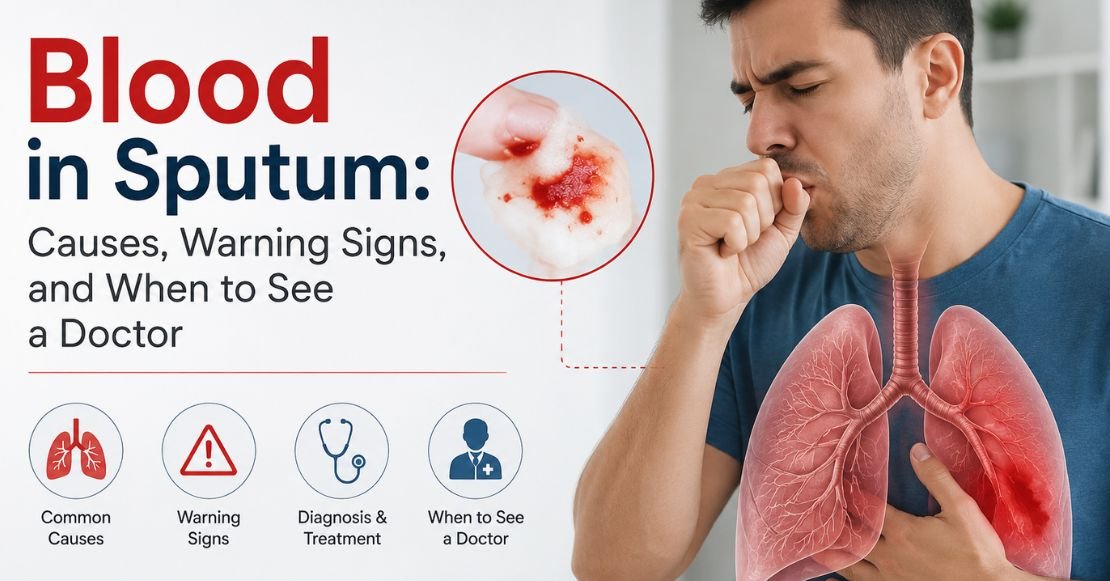
By Seeing blood in sputum can be one of the scariest side effects a person could encounter. Naturally, it is very scary whether you see light pink tinged mucus when coughing or arterial blood red streaks in your sputum. But the comforting reality is that blood in sputum is not necessarily a dire emergency. In a lot of cases, it is a simple irritation, or a small ruptured capillary in the throat, or just some straightforward respiratory infection.
However, bright red blood should never go unaddressed. It is your bodily system’s means of sending an emergency alarm – one that warrants a significant, expert analysis. This extensive guide will tell you all that: what blood in sputum means, how doctors diagnose and treat it, the signs of serious illness and when to go straight to the hospital.
What Is Blood in Sputum?
Blood in sputum means blood in urine the mucus secreted from your respiratory tract that is excreted with saliva while coughing. Sputum is the thick viscous matter produced when coughing Phlegm, Rheum or sputum refers to the mucus layer that results from haustration in our lungs bronchi and trachea. It’s not like saliva or post-nasal drip.
When blood in sputum takes place, doctors demarcate it into two major kinds:
Non-massive hemoptysis: Small amounts of blood, often mixed with mucus; usually from causes such as infection and throat irritation.
Massive hemoptysis: Defined in clinical terms as sputum of > 200–600 mL blood in 24 h. This is a serious condition that needs hospital admission.
The sputum can contain blood from different places, the nose, throat or bronchi / biopulmonary tissue, so it is very important to achieve the correct diagnosis. The colour, quantity and consistency of your stool along with associated symptoms are all important diagnostic clues.
What is The Meaning of Hemoptysis?
Some of you might have heard a word called “hemoptysis” by your doctor and got confused about what it means. Simply put, the hemoptysis definition is a medical condition meaning to cough up blood or blood-stained mucus from the respiratory tract i.e. from lungs and bronchi.
The Greek root: haima (blood) + ptysis (spitting). Knowing the meaning of hemoptysis enables you to communicate more accurately with your healthcare provider as well as understand medical records or discharge summaries.
Hemoptysis is different from two related conditions, and it’s important to know the difference:
Hematemesis: Vomiting blood from the GI tract (stomach or esophagus). Hematemesis stools are coffee grounds, dark blood with nausea.
Pseudohemoptysis: Blood that seems to come from the lungs but is actually originating in either the nose or mouth (e.g. bloody nasal mucous draining into throat).
Medical evaluation should be done for all hemoptysis blood in the sputum from the lower respiratory tract, even small volumes.
What Does Blood in Sputum Look Like?
The appearance of blood in sputum varies significantly and can offer important diagnostic clues:
| Appearance | Likely Origin / Cause |
| Bright red, frothy streaks | Lungs or bronchi often seen in bronchitis or pneumonia |
| Pink or rust-tinged mucus | Mild lung inflammation or early infection |
| Dark red or brownish | Older blood can indicate resolved bleeding or certain infections |
| Pure bright red blood | Serious pulmonary embolism, TB, or lung cancer possible |
| Blood mixed with pus | Lung abscess or severe bacterial infection |
Never attempt to self-diagnose based on color alone. A doctor will use these visual cues alongside imaging, lab work, and clinical history to arrive at an accurate diagnosis.
Common Causes of Blood in Sputum
Most cases of blood in sputum in otherwise healthy individuals are due to non-fatal conditions. These are the ones you meet most often:
Acute Bronchitis
The main cause of blood in cough in outpatient settings is inflammation of the bronchial tubes usually from a virus. Forceful coughs break small blood vessels in the lining of the airway, creating streaks of blood found in mucus.
Pneumonia
Lung tissue inflammation due to bacterial, viral or fungal pneumonia results in blood in sputum. Classic “rusty sputum” is distinctly a feature of Streptococcus pneumoniae infection.
Upper Respiratory Tract Infections
Blood in mucus from the throat due to severe coughs, or when sinusitis or laryngitis or pharyngitis irritate (inflammation) the mucosa (tissue lining of airway), or if it becomes dry. Generally, this kind of blood in sputum is self-limiting and disappears as the infection heals.
Bronchiectasis
A long-term disease in which the walls of your bronchi is permanently dilated and scarred resulting in persistent hemoptysis (blood) mucus accumulation, and recurrent infections Introduction Patients with bronchiectasis are amongst the most frequent repeat presenters with haemoptysis.
Tuberculosis (TB)
In spite of this, TB continues to be one of the most impactful infectious triggers for hemoptysis on a worldwide scale. It then burrows its way into lung tissue, destroying it and leaving cavities that bleed. As well as blood in sputum TB usually comes with night sweats, weight loss and persistent cough.
Pulmonary Embolism (PE)
Suddenly coughing up blood, a chest pain, and shortness of breath can be caused by a clot in arteries supplying blood to the lungs. PE related hemoptysis is a medical emergency: do not stand by and wait to seek care if these symptoms occur together.
Medications
At least, blood thinners (anticoagulants, wide awareness of these days such as warfarin, rivaroxaban or apixaban and others) by decreasing the ability to coagulate of the blood could lead to more appearance of blood in sputum. Blood in sputum with a background of anticoagulant therapy, find your prescriber physician immediately.
Trauma or Injury
Trauma to the thorax, larynx, or tracheobronchial tree (including procedures such as bronchoscopy) may cause transient blood in mucus from GIT tract and lung structure.
Threatening Illnesses Related to Coughing Up Blood
Although many causes of blood in the sputum are benign, some serious conditions require urgent assessment. If you suspect any of the following, do not delay seeking care:
Lung Cancer
Coughing up blood that wont go away especially in people over 40 and with a history of smoking could be an early warning sign of lung cancer. Approximately 5%-10% of hemoptytic cases evaluated by pulmonologists are due to lung cancer. Hemoptysis could be associated with other symptoms like unexplained weight loss, chronic cough, or hoarseness.
Pulmonary Arteriovenous Malformation (AVM)
The compromise: Abnormal vascular connections in the lungs between arteries and veins can cause blood breakdown triggering coughs that release significant blood. AVMs are usually associated with hereditary hemorrhagic telangiectasia (HHT).
Congestive Heart Failure
Pulmonary edema, which is backgrounded when the heart can not pump blood correctly to where it must go leading to backing up or hinder fluid into lungs. This can lead to pink, frothy blood in the sputum associated with shortness of breath, swollen ankles and fatigue.
Vasculitis
Diseases that have an inflammatory component, such as Wegener’s granulomatosis (GPA) or Goodpasture’s syndrome, infiltrate blood vessel walls in the lung and can lead to massive hemoptysis and speedy respiratory demise.
Fungal Lung Infections
Aspergilloma, a fungus ball that grows in lung cavities created by prior TB or other infections is a common cause of hemoptysis in developing regions. Prompt antifungal therapy and in some cases surgical intervention are needed.
Blood in Mucus from Throat vs. Lungs: How to Tell the Difference
One of the frequently asked questions by patients is : “This blood in mucus from my throat or this is originating from my lungs? That distinction matters clinically, and alters the level of care required.
Blood in Mucus from Throat (Upper Airway Origin)
- Typically observed, white patch after clearing the throat not deep cough
- Blood modified with saliva, normally mild pink
- Possible Nosebleed, dry throat or hard gargling.
- You have no respiratory distress, nor fever nor chest pain.
- Typically resolves within 24–48 hours
Blood in Sputum from Lungs (Lower Airway Origin)
Usually has cough, often the cough is deep and productive:
- Bright red, sometimes frothy
- Chest pain, fever and breathlessness may accompany
- Lasts longer than 48 hours or comes back
- Requires urgent medical evaluation
Any blood in sputum should be considered serious and supervised by a doctor. A chest X-ray or clinical examination may rapidly identify the source.
How Doctors Diagnose Blood in Cough
Accompanied by congestion, fever and/or blood sputum, when you arrive at a clinic or hospital your doctor will take you through a systematic diagnosis process.
Step 1: Medical History
Your physician will inquire about the duration of blood in sputum, its quantity and color, as well as accompanying symptoms (fever, chest pain, weight loss, night sweats). Important data points include current medications, smoking history, travel history (TB exposure)
Step 2: Physical Examination
The doctor will use a stethoscope to listen to your lungs, determine the presence of enlarged lymph nodes, look at your throat and nose and check oxygen saturation.
Step 3: Imaging
A chest X-ray should be performed first for blood in the sputum Pulmonary pneumonia, pulmonary masses or pleura fluid/cavities can be identified.
HRCT Chest: Higher resolution scan essential for diagnosing bronchiectasis, lung cancer or pulmonary embolism when cough with blood is unexplained.
Step 4: Laboratory Tests
- Complete Blood Count (CBC) tests for the presence of anemia or infection
- Sputum culture & smear excludes TB, and fungal or bacterial pneumonia
- Coagulation studies particularly if on anticoagulants
- D-dimer a test that evaluates for pulmonary embolism
Step 5: Bronchoscopy
In cases where imaging is non- conclusive and blood in sputum persists or volume of the hemoptysis is significant, a pulmonologist can offer a bronchoscopy. A flexible camera passed through the airways to see exactly where coughing blood comes from.
Step 6: Advanced Imaging
If vascular causes (AVM, PE) are suspected then pulmonary arteriography or CT pulmonary angiography is performed.
Treatment Options for Blood in Sputum
Management of hemoptysis is purely dependent on the cause. There can be no one-size-fits-all treatment which is why seeking a professional diagnosis before any form of intervention is vital.
Antibiotics
Blood in sputum due to bacterial infections such as pneumonia or bronchitis is treated with a directed antibiotic course and usually resolves both the infection and minor bleeding within 7–14 days.
Antitubercular Therapy (ATT)
Rates for coughing up blood related to TB necessitate a multi-drug regimen for 6 months (isoniazid, rifampicin, pyrazinamide, ethambutol). Massive hemoptysis may necessitate hospitalization.
Bronchial Artery Embolization (BAE)
In cases of major or recurrent blood in sputum when an artery that is bleeding has been detected, interventional radiologists can occlude the artery using a tiny coil or foam – an effective minimally invasive procedure with 80-90% success rates over the short term.
Anticoagulant Adjustment
When coughing with blood is associated with over-anticoagulation, your physician will adjust the dose of anticoagulant and/or change to an alternative agent or temporarily stop therapy at carefully regulated intervals.
Surgery
For lung cancer, AVM or aspergilloma inducing repetitive large-scale hemoptysis to remove the tissue (lobectomy or wedge resection) may be the definitive treatment.
Supportive Care
Supportive treatment with hydration, humidified air, cough suppressants and rest may be adequate for mild blood in mucus from the throat or minor hemoptysis due to upper airway irritation. For any patients with recurrent blood in sputum, cessation of smoking is paramount.
When to Go to the Emergency Room
Seek emergency care if you cough up crimson with any of the following:
- Coughing up that much blood (more than a few tablespoons)
- Minor causes that have clearly caused bright red blood
- Chest pain, pressure, or tightness
- The immediate intense shortness of breath or difficulty in breathing
- Palpitations or light-headedness
- Hemoptysis after chest injury or trauma
- First episode of coughing up blood with no history of respiratory disease
- Coughing up blood with fever >38.5°C(101.3°F)
Do not try to drive themselves. Contact first-aid services or get someone to take you on the spot. Copious amounts of blood in sputum can block the airway within minutes.
Prevention and Risk Reduction
Not all of the conditions that cause blood in sputum are preventable, but there are some steps you can take in terms of lifestyle and medical practice to significantly reduce your risk.
Stop smoking: Smoking is the most important single modifiable risk factor for almost all conditions that cause blood in sputum, including lung cancer, COPD and chronic bronchitis. Cessation programs, NRT, and treatment with varenicline are effective options.
Get On Top of Respiratory Infections: Do not find yourself stuck with a cough you let go untreated. The earlier the care that people receive for chest infections the better, as failing to do so can damage the airways and result in blood in coughs and potentially lead to chronic conditions such as bronchiectasis.
Chronic Conditions: The related conditions of asthma, COPD, congestive heart failure (CHF), and bronchiectasis contribute to a higher risk of bloody sputum. You are educated on treatment protocols until October 2023, and following those plans halves flare severity.
Manage Anticoagulant Treatment: INR measurement and routine monitoring will help to maintain your blood thinners in therapeutic range if you’re on anticoagulation, preventing cough of blood due to over-anticoagulation.
Vaccination: Annual flu and pneumococcal vaccinations lower the risk for respiratory infections that are most often associated with blood in sputum in otherwise well adults.
Stay Hydrated: Dry irritated mucous membranes are more likely to bleed lightly. Being well hydrated helps moisten the airways and decreases exposure of blood in mucus from the throat that is dry.
Final Thoughts: Don’t Wait Get the Answers You Need
Blood in sputum is a symptom that demands your attention. Whether it’s a light pink smear in your morning mucus or more alarming blood red liquid after coughing, the body is trying to tell you what it means and deserves a great reaction.
The positive part: most of the conditions that lead to blood in sputum are more or less very treatable, manageable and even curable when diagnosed on time. The danger of postponement is forever more prominent than the inconvenience of being tested.
Frequently Asked Questions
Frequently Asked Questions
Q1: Is blood in sputum a symptom that should always be taken seriously?
No, but it should always be confirmed with a medical professional.
Q2: What does hemoptysis mean?
Hemoptysis, cough of blood from the lungs or airways.
Q3: Can you not cough blood from throat instead of lungs?
Yes. Blood in mucus can be due to throat irritation, low humiditys or a nosebleed.
Q4: How much blood in sputum is harmful?
Large amounts or intermittent episodes require urgent medical attention.
Q5: Is stress also the reason behind blood in sputum?
No, of course not, stress is not a direct way that it causes, but pulling cough can harm the throat.
Q6: Blood in cough tests?
Doctors may suggest a chest X-ray, blood tests, CT scan, sputum test or bronchoscopy.
Q7: Does blood in the sputum resolve on its own?
While simple cases may settle, continued or excessive blood requires a physician examination.
Q8: Can you cough blood with COVID-19?
This is rare, though click up in instances of extreme COVID-19. Get medical help if it occurs.