 By
By Key Takeaways
- The Second Brain: Your gut contains the Enteric Nervous System (ENS), which communicates directly with your brain via the gut-brain connection.
- Dahi is King: For probiotics for gut health in India, homemade curd is the most accessible and effective source.
- Fiber is Fuel: Prebiotics (like those in garlic, onions, and bananas) are the “food” that keeps your gut microbiome thriving.
- Avoid Dysbiosis: High-sugar, ultra-processed “bakery” foods are the primary cause of gut dysbiosis in urban Indian diets.
- Holistic Healing: Improving your gut requires a “No Guts, No Glory” mindset—combining diet, sleep, and stress management.
Introduction
Let’s agree on something: we’ve all had that “heavy” feeling after a massive festive thali or a weekend of ordering in. In 2026, we’ve finally realized that our stomach isn’t just a processing plant for food—it’s the command center for our entire body. If you’ve been struggling with stubborn acne, unexplained fatigue, or that constant “bloat” that makes your jeans feel two sizes too small, the problem probably isn’t your skin or your willpower. It’s your gut.
I promise that by the end of this exhaustive guide, you’ll understand exactly how to improve gut health using ingredients already sitting in your Indian kitchen. We’ll preview the fascinating world of the gut microbiome, explain the “science of a gut feeling,” and give you a roadmap to fix gut dysbiosis naturally. Your journey to a flatter stomach and a clearer mind starts here.
What is Gut Health?
Defining the Internal Ecosystem
What is gut health? It refers to the physical state and physiological function of the various parts of the gastrointestinal tract. A “healthy” gut has a balanced gut microbiome—a community of trillions of bacteria, fungi, and viruses—working in harmony to digest food, produce vitamins, and train the immune system.
The Gut Microbiome: The 1.5kg Organ You Didn’t Know You Had
Think of your gut microbiome as a lush, tropical rainforest. In a healthy forest, you have a massive variety of species (biodiversity) that keep each other in check. When you eat a diverse, plant-forward Indian diet, you are “watering” that forest.
However, when we eat a “modern” diet high in refined oils and sugars, we essentially “clear-cut” the forest, allowing one or two “weedy” species to take over. This imbalance is what scientists call gut dysbiosis.
The “Mind Gut Connection” & Gut Feeling Meaning
Why Do We Get “Butterflies” in Our Stomachs?
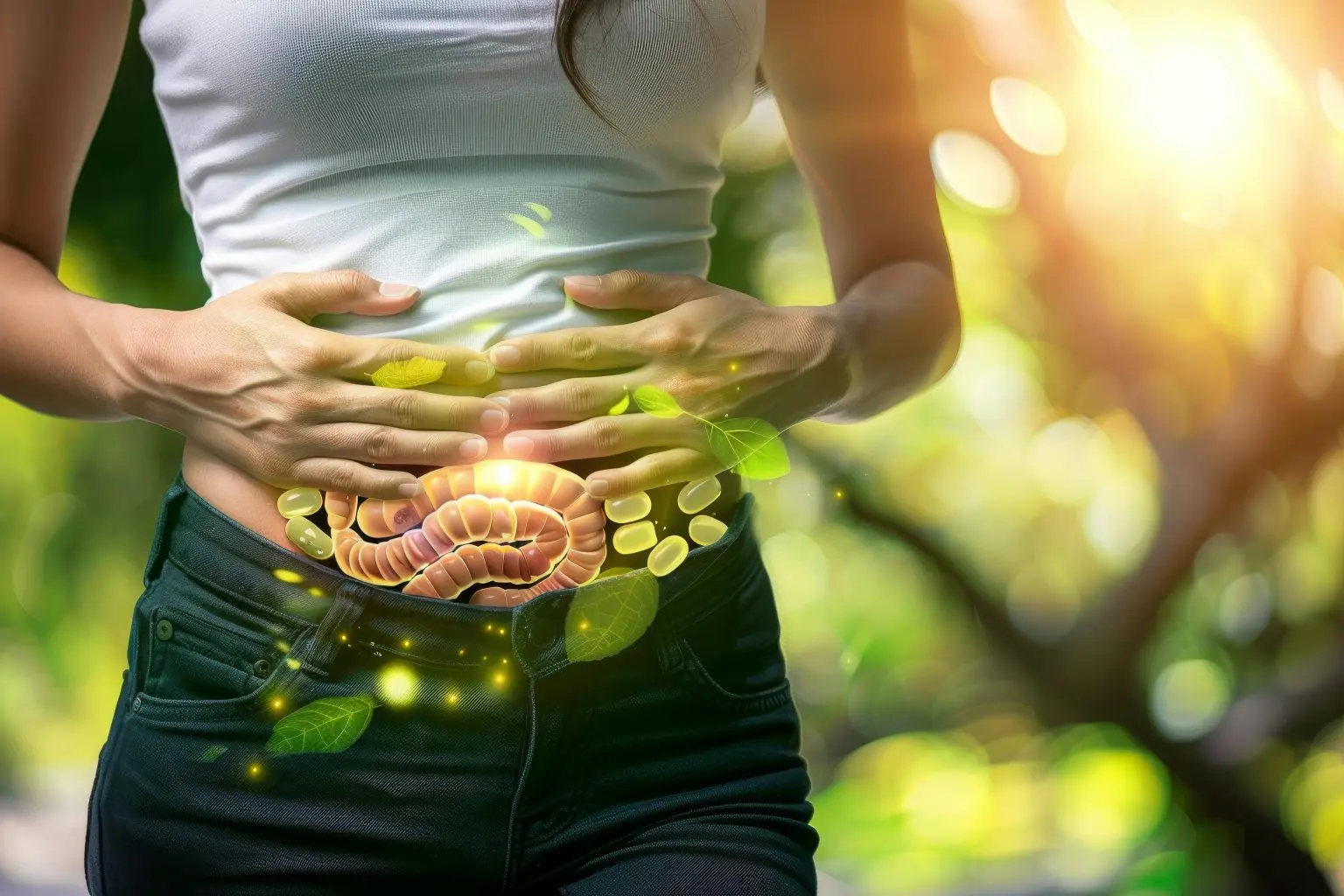
The mind-gut connection isn’t just a poetic concept; it’s a biological superhighway called the Vagus Nerve. Your gut produces about 95% of your body’s serotonin (the “happy” hormone).
Gut feeling meaning: This refers to the immediate, visceral reaction your Enteric Nervous System (ENS) has to a situation. Because the gut and brain are in constant 24/7 communication, your “gut” often senses stress or danger before your conscious brain has even processed the information.
Leaky Gut Syndrome: The Unseen Barrier Breach
When the lining of your intestines becomes too permeable, it leads to leaky gut syndrome.
- The Cause: Chronic stress, alcohol, and excessive “junk” food.
- The Result: Undigested food particles and toxins “leak” into your bloodstream, causing your immune system to go into overdrive. This is why a “bad gut” often shows up as “bad skin” or joint pain.
How to Improve Gut Health Naturally (India Edition)
How do you improve gut health naturally in India?
To improve gut health naturally in India, focus on a diet rich in traditional fermented foods (like Dahi and Kanji), high-fiber indigenous grains (Jowar, Bajra), and “warming” spices (Ginger, Turmeric). Avoid “antibiotic-laden” poultry and ultra-processed snacks while maintaining a consistent sleep-wake cycle to support the circadian rhythm of your microbes.
The Probiotic Powerhouses of India
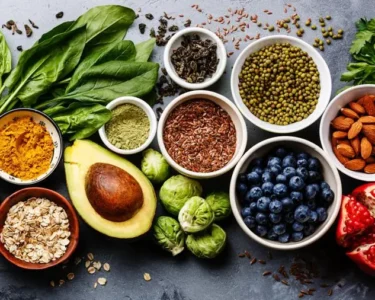
When looking for probiotics for gut health, you don’t need expensive imported supplements. The best options are in your pantry:
- Dahi (Curd): The ultimate Indian probiotic. Pro-tip: Set your curd at home. Store-bought “long-life” curds are often pasteurized after fermentation, which kills the live bacteria.
- Kanji: A traditional North Indian fermented drink made from black carrots and mustard seeds. It’s a powerhouse of Lactobacillus.
- Fermented Pickles (Achaar): Traditional oil-free or sun-dried pickles (like those made with salt and water) are excellent sources of “good” bacteria.
Foods Good for Gut Health: The Prebiotic “Fertilizer”
Probiotics are the “seeds,” but prebiotics are the “fertilizer.” Without fiber, your good bacteria will starve.
- Whole Grains: Swap white rice for red rice, or use Bajra and Jowar rotis.
- Legumes: Dal is your best friend. The skins of lentils are packed with prebiotic fibers that your gut microbes love to ferment into Short-Chain Fatty Acids (SCFAs).
The “Guts and Casca” of Digestive Resilience
In the world of health, there’s an old saying: “No Guts, No Glory.” This doesn’t just apply to bravery; it applies to your physical resilience. If your “guts” are strong, your immune system is strong.
The Role of Spices in Gut Repair
Indian cuisine is unique because our “base” spices are medicinal.
- Turmeric (Haldi): Contains Curcumin, which helps heal the intestinal lining in leaky gut syndrome.
- Fennel (Saunf): There’s a reason we eat this after meals! It’s a powerful anti-spasmodic that reduces gas and bloating.
- Ginger (Adrak): Stimulates “migrating motor complex” (MMC)—the waves of muscle contractions that clean out your gut between meals.
Comparison – Modern Diet vs. Gut-Friendly Indian Diet
Feature Urban “Fast” Diet Gut-Friendly Indian Diet
Primary Grain Refined Flour (Maida) Millets (Jowar/Bajra/Ragi)
Fats Seed Oils (Refined) A2 Ghee or Cold-pressed Oils
Sweetener White Sugar/HFCS Jaggery (Gud) or Stevia
Fermentation Rare/Artificial Daily (Dahi/Idli/Dosa/Kanji)
Microbial Impact Promotes Gut Dysbiosis: Diverse Gut Microbiome
FAQ
Q1: How long does it take to improve gut health?
You can start seeing changes in your digestion (less bloating) in as little as 3 to 7 days. However, significantly altering the composition of your gut microbiome usually takes 3 to 6 months of consistent dietary changes.
Q2: Are “probiotic drinks” like Yakult better than Dahi?
While commercial drinks provide a high concentration of specific strains, homemade Dahi provides a wider variety of “wild” strains that are often more resilient in the Indian digestive tract. Both are good, but Dahi is more sustainable and fiber-rich.
Q3: What are the signs of “leaky gut syndrome”?
Common signs include chronic diarrhea/constipation, nutritional deficiencies, a weak immune system, headaches, “brain fog,” and skin rashes like eczema or rosacea.
Q4: Can I improve my gut health without being a vegetarian?
Absolutely. Focus on high-quality, grass-fed meats or organic poultry, and always pair your protein with twice the amount of fiber (vegetables) to ensure the meat doesn’t “sit” in the gut too long.
Q5: Is there a connection between gut health and weight loss?
Yes. A balanced gut microbiome helps regulate hunger hormones (like Ghrelin) and improves insulin sensitivity, making it much easier to maintain a healthy weight.
Final Thoughts
Your gut is the only organ that works for you, even when you aren’t thinking about it. By choosing gut health foods and respecting the mind-gut connection, you aren’t just fixing your digestion—you’re upgrading your entire life. Remember: “No Guts, No Glory.”