 By
Nasal congestion, headaches, facial pressure, breathing problems, and disrupted sleep are all consequences of sinus problems that can affect day-to-day functioning. People with allergies, respiratory illnesses, or seasonal changes frequently experience these symptoms. However, persistent or recurrent symptoms may indicate a sinus illness that has to be carefully addressed. Knowing your options for treating sinusitis can help ease discomfort, enhance nasal breathing, and stop future issues. The symptoms, how long they last, and the underlying cause all influence the choice of sinusitis treatment.
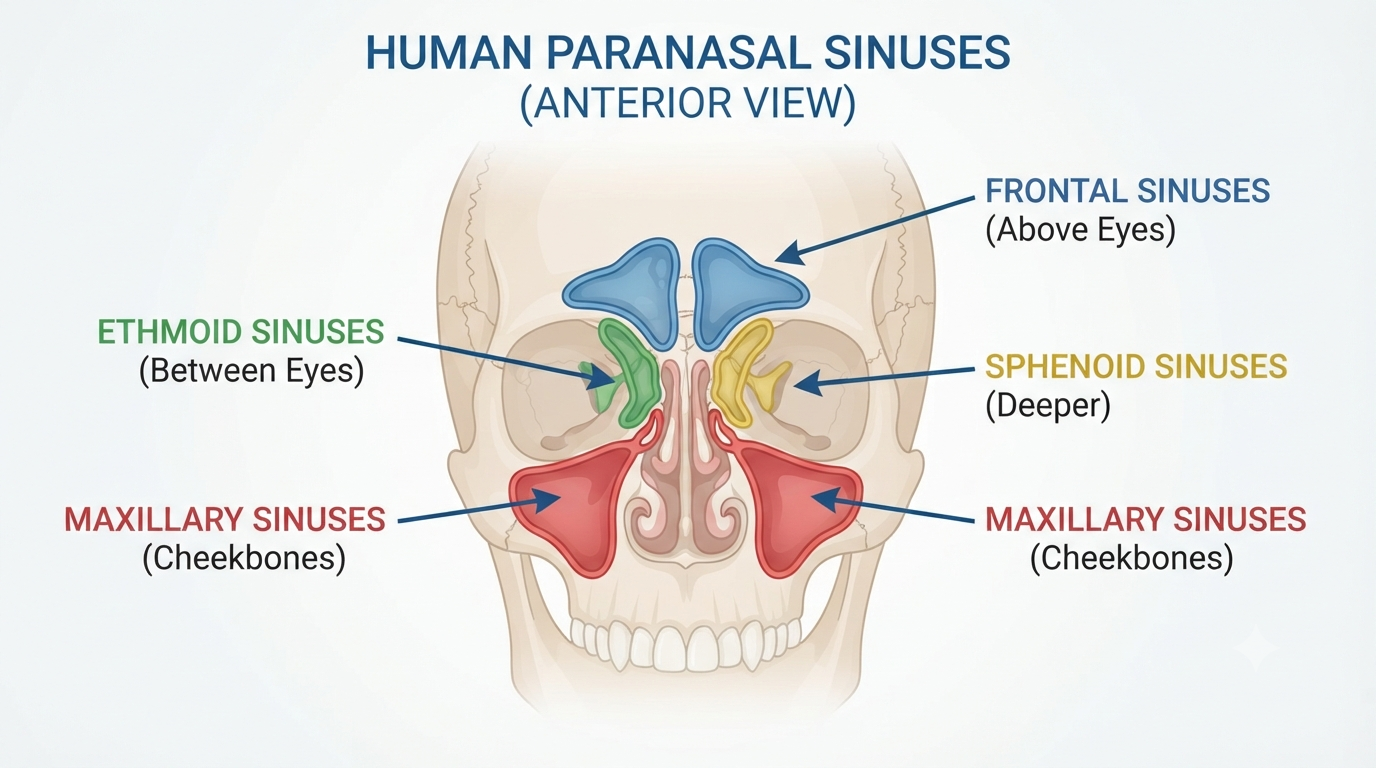
Sinusitis is an inflammation of the tissues lining the sinuses, which are air-filled spaces around the nose, cheeks, forehead, and eyes. The sickness may arise as a result of allergies, nasal polyps, bacterial or viral infections, or structural problems with the nose. Finding these factors is crucial to treating sinusitis effectively because various diseases may call for different strategies.
The choice of sinusitis treatment is influenced by the duration, severity, underlying cause, and overall health of the patient. Moderate instances may benefit from supportive therapy, but a skilled ENT specialist must evaluate chronic symptoms. Determining if sinusitis treatment calls for medicine, supportive care, additional research, or a combination of methods is made easier with expert advice.
Patients should seek expert examination and advice at Dr. Shubhi Tyagi’s ENT clinic if they have sinus-related problems, such as nasal blockage, recurring sinus infections, facial discomfort, and breathing difficulties. After assessing the symptoms and determining potential reasons, an ENT specialist might suggest an appropriate sinusitis treatment. Managing discomfort and lowering the chance of recurrent symptoms can be achieved with early diagnosis and suitable sinusitis treatment.
What Is Sinusitis?
Normal mucus outflow is impacted by sinusitis, which results in swelling and inflammation of the sinus lining. The sinuses naturally create mucus, which enters the nasal passages through microscopic apertures. This mucus aids in capturing dust, allergies, and microorganisms. Improving sinus drainage and lowering inflammation can be achieved by selecting the appropriate sinusitis treatment.
When inflammation obstructs these drainage pathways, mucus can build up inside the sinuses. Nasal congestion, face pressure, headaches, and breathing problems could result from this. Relieving these symptoms and avoiding complications are the main goals of a good sinusitis treatment.
The medical term rhinosinusitis is routinely used because inflammation often affects both the sinuses and nasal passages. The underlying cause, intensity, and length of symptoms determine the best course of treatment for sinusitis.
Reducing inflammation, increasing mucus flow, controlling infections when they arise, and treating the root causes of recurrent symptoms are the primary objectives of sinusitis treatment. Depending on the patient’s condition, treatment options could include medications, recommended nasal sprays, saline nasal irrigation, and other medical procedures.
Sinusitis can strike people of any age. After a typical cold, some people have sporadic episodes, while others have ongoing symptoms that make daily tasks difficult. Early treatment for sinusitis can ease discomfort, enhance breathing, and aid in healing. To find the best sinusitis treatment for their disease, those with persistent or regular symptoms should speak with an ENT professional.
Read more about: Rajiv Gandhi Cricket Stadium | Asian Games Medal Tally India 2026 | Who Won IPL 2026 | Chennai Super Kings
Common Causes of Sinusitis
Choosing the appropriate course of treatment requires an understanding of the underlying problem. Inflammation of the sinuses can be caused by a number of circumstances.
1. Viral Infections
One of the most common causes of acute sinus inflammation is the common cold virus. Increased mucus production, nasal passage swelling, and transient obstruction of sinus drainage channels can all be symptoms of viral infections.
Without antibiotics, the majority of viral bouts progressively get better. During the healing process, supportive care can assist control symptoms.
2. Bacterial Infections
An acute sinus infection can occasionally be caused by bacteria. After initially improving, symptoms may worsen or remain unchanged for at least ten days.
However, colored nasal discharge by itself does not indicate a bacterial infection. Before recommending antibiotics, a medical expert must take into account the entire pattern of symptoms.
3. Allergies
Inflammation in the nose can result from allergic responses to dust mites, mold, pollen, and other environmental chemicals. Frequent allergic reactions might impede regular mucus discharge and exacerbate sinus symptoms.
Treating underlying allergens can play a significant role in the long-term management of sinusitis.
4. Nasal Polyps
Soft, non-cancerous growths called nasal polyps form inside the sinuses or nasal passageways. Polyps that are larger or more numerous can obstruct sinus drainage and ventilation.
Patients with nasal polyps may have recurrent sinus issues, diminished smell, and ongoing congestion.
5. Deviated Nasal Septum
The two nasal passageways are divided by the nasal septum. Some people may experience problems with airflow and drainage when it is greatly diverted.
An ENT specialist can assess whether the recurrent symptoms are caused by the structural issue.
6. Environmental Irritants
Smoke, air pollution, chemical fumes, and dust can irritate nasal tissues. Regular exposure may aggravate inflammation and make existing sinus symptoms worse. Reducing exposure to irritants can support symptom management.
Types of Sinusitis
Sinusitis is classified according to how long symptoms last and how frequently they occur.
Acute Sinusitis
Acute sinusitis generally lasts less than four weeks. It commonly develops after a cold or another respiratory infection.
Typical symptoms include nasal congestion, facial pressure, thick nasal discharge, headache, and reduced sense of smell. Many uncomplicated cases improve with supportive care. The appropriate sinusitis treatment depends on whether the inflammation is viral, bacterial, or related to another condition.
Subacute Sinusitis
Subacute sinusitis refers to symptoms that continue for approximately four to twelve weeks. Persistent inflammation may require further assessment to identify the reason for delayed recovery.
Chronic Sinusitis
When sinus irritation symptoms persist for at least 12 weeks in spite of treatment, chronic sinusitis is typically diagnosed. Selecting the appropriate sinusitis treatment is crucial for controlling chronic inflammation and enhancing nose health.
Persistent nasal blockage, facial pressure, mucous leakage, diminished sense of smell, and trouble breathing via the nose are typical symptoms. These symptoms can be reduced and daily comfort enhanced with the right sinusitis treatment.
Finding contributory factors, such as allergies, nasal polyps, structural problems, or persistent inflammation, is essential for effective sinusitis treatment. An ENT professional may suggest medication, saline irrigation, nasal corticosteroids, or other appropriate treatment options based on the underlying reason.
Long-term sinus health can be supported and chronic symptoms can be managed with regular medical examination and customized sinusitis treatment.
Recurrent Acute Sinusitis
Some people experience several separate episodes of acute sinusitis within a year, with periods of improvement between episodes. Repeated infections may require an ENT assessment to identify possible underlying causes and develop an effective management plan.
Common Symptoms of Sinusitis
Depending on the sinus that is impacted, the degree of inflammation, and the underlying cause, sinus symptoms can differ. Early detection of these symptoms can aid in choosing the best course of treatment for sinusitis. The symptoms that are most commonly reported are:
- congestion or obstruction of the nose.
- Pain or pressure in the area of the forehead and cheekbones.
- Bending forward may exacerbate headaches.
- A thick discharge from the nose.The back of the throat is oozing mucus.
- A diminished or absent sense of smell.
- Breathing through the nose is difficult.
- Cough, especially at nite.
- Poor breath.The area around the eyes is compressed.
fatigue and sleep disturbances.
The intensity of the symptoms determines the best course of treatment for sinusitis. While some people only have nasal congestion, others have headaches, face discomfort, or diminished scent. These symptoms can be alleviated and nasal breathing improved with the right sinusitis treatment.
A professional assessment is recommended if symptoms interfere with everyday activities, repeat regularly, or last for many weeks. Finding the underlying reason and choosing the best sinusitis treatment might be aided by speaking with an ENT professional.
Sinusitis Treatment: Medical Options for Effective Relief
The type of sinusitis, the length of the symptoms, and the underlying source of inflammation all influence the optimal course of treatment. Selecting the best sinusitis treatment can help control symptoms and enhance sinus health.
After assessing the patient and determining the source of inflammation, an ENT specialist may suggest a customized sinusitis treatment. Medication, saline nasal irrigation, nasal corticosteroid sprays, allergy control, and other medical methods may be used to treat sinusitis, depending on the disease.
The patient’s symptoms, medical history, and diagnostic results all influence the best course of treatment for sinusitis. Safe and proper treatment is ensured with the assistance of professionals.
1. Saline Nasal Irrigation
Saline nasal irrigation is commonly recommended to help clear mucus, allergens, and irritants from the nasal passages. It involves using a saline solution to rinse the nasal cavity. This may improve mucus clearance and reduce congestion. Patients can use commercially prepared saline solutions or suitable irrigation products according to medical instructions. Important safety precautions: Use distilled, sterile, or previously boiled and cooled water. Keep the irrigation device clean. Follow the recommended preparation instructions. Avoid using untreated tap water. Stop and consult a doctor if irrigation causes significant pain or bleeding. Regular saline irrigation can support chronic symptom management when used appropriately.
2. Nasal Corticosteroid Sprays
In order to lessen inflammation within the nasal passages, nasal corticosteroid sprays are frequently utilized in the treatment of sinusitis. They are often advised for long-term inflammatory sinus disorders and allergic rhinitis. These sprays may be used as part of a suitable sinusitis treatment to lessen nasal edema, congestion, and inflammation brought on by nasal polyps.
The following ingredients are frequently given for the treatment of sinusitis:Mometasone
Fluticasone
Budesonide
When used properly, these nasal sprays can help reduce irritation and increase airflow. Incorporating nasal corticosteroid sprays into an appropriate sinusitis treatment regimen may aid in the management of persistent nasal symptoms.
A healthcare professional should decide on the spray, dosage, and length of usage. Achieving the desired results and minimizing potential side effects, like nasal discomfort or nosebleeds, depend on proper application. When utilizing sprays to treat sinusitis, always heed medical advice.
3. Antibiotics for Bacterial Sinusitis
Only when a bacterial infection is suspected or confirmed and antibiotic therapy is deemed suitable may antibiotics be used in the treatment of sinusitis. The type of infection, the patient’s symptoms, and their general state of health all influence the choice of sinusitis treatment.
Antibiotics are not always necessary for sinus infections. Antibacterial medications do not treat viral infections, and overuse of antibiotics can lead to adverse effects and antibiotic resistance. Therefore, before prescribing antibiotics as part of the treatment for sinusitis, physicians thoroughly assess their patients.
Depending on the clinical circumstances, doctors may recommend observation with follow-up or prescribe medications for certain people with uncomplicated acute bacterial sinusitis. This method aids in ensuring that the patient’s sinusitis treatment is suitable for their condition.
Antibiotic leftovers should never be started by patients, nor should they alter recommended dosages on their own. Treating sinusitis safely and effectively requires listening to expert advice.
4. Antihistamines for Allergy-Related Symptoms
When sinus problems are linked to allergies, antihistamines may be suggested as part of the treatment for sinusitis. For individuals with allergy-related symptoms, they can help lessen sneezing, itching, and a runny nose, increasing the effectiveness of sinusitis treatment.
Antihistamines, however, are not always effective in treating all sinus infections. Since these medications might occasionally result in nasal dryness or thickened secretions, the best course of action for treating sinusitis depends on the underlying cause.
When symptoms recur following exposure to specific triggers, an ENT expert could suggest an allergy evaluation. The doctor might provide appropriate sinusitis treatment based on the results to control allergic inflammation and recurrent nose symptoms.
Before including antihistamines into your sinusitis treatment regimen, always get medical advice.
5. Decongestants
Decongestants may temporarily reduce nasal swelling and improve airflow in selected patients. However, topical decongestant sprays should generally not be used for more than three days unless a doctor specifically advises otherwise, because prolonged use can cause rebound congestion. People with certain medical conditions, including high blood pressure, should discuss the safety of oral decongestants with their healthcare professional.
6. Pain Relief Medicines
Headaches and facial pressure can make everyday activities uncomfortable. Suitable pain-relief medicines may help reduce discomfort and fever. The choice of medicine depends on the patient’s age, medical history, allergies, and other medications. A doctor or pharmacist can help determine which option is appropriate.
7. Treatment for Nasal Polyps
When nasal polyps contribute to persistent inflammation or blockage, treatment may include prescribed nasal corticosteroids and other specialist-directed therapies. Some patients with severe nasal polyps may be considered for biologic medicines or surgical management after an appropriate evaluation.
8. Endoscopic Sinus Surgery
Surgery may be considered when symptoms remain troublesome despite appropriate medical management or when structural blockage prevents normal sinus drainage. Functional endoscopic sinus surgery (FESS) is a procedure in which an ENT surgeon uses a small endoscope and specialised instruments to open blocked sinus pathways and improve drainage. Surgery is not necessary for every patient. The decision depends on examination findings, imaging when indicated, previous treatment, and individual symptoms. The goal is to improve sinus ventilation and allow mucus to drain more effectively.
Chronic Sinusitis: Causes, Diagnosis and Long-Term Management
Because symptoms can persist for months and frequently interfere with sleep, work, and daily activities, chronic sinusitis can be especially annoying. In contrast to a transient cold, chronic inflammation may result in long-lasting alterations to the sinus lining. Selecting the appropriate sinusitis treatment is crucial for reducing chronic inflammation and enhancing quality of life.
Typical contributing elements consist of:Prolonged inflammation caused by allergies.
- Polyps in the nose.
- The nasal septum deviates.
- Asthma and other inflammatory diseases.
- Cigaret smoke exposure.A few immune system disorders.
- Recurrent infections of the respiratory system.
Improving sinus drainage and reducing inflammation are the main goals of effective sinusitis treatment for long-term illnesses. Depending on the results of the examination, a specialist may suggest saline irrigation, topical nasal corticosteroids, allergy control, and further treatment.
The underlying reason, degree of inflammation, and specific diagnostic results determine the best course of treatment for sinusitis. Patients should be aware that treatment plan modifications and continuous monitoring may be necessary for chronic problems.
Nasal breathing can be improved, recurrent symptoms can be managed, and long-term sinus health can be supported with appropriate sinusitis treatment and routine follow-ups.ere is no single medicine that works for every patient.
How to Cure Sinus Permanently at Home?
Many people search for how to cure sinus permanently at home because they want relief without frequent clinic visits or medicines. However, it is important to understand that home remedies cannot guarantee a permanent cure. Their effectiveness depends on the underlying cause of sinus inflammation. Some practical measures can help reduce discomfort and support recovery.
1. Use Saline Nasal Rinses
Saline rinsing helps remove excess mucus and irritants from the nasal passages. It can be useful for people experiencing congestion and chronic nasal symptoms. Always use safe water and clean equipment.
2. Stay Properly Hydrated
Drinking enough water supports normal mucus consistency and general health. Warm fluids may feel soothing when nasal congestion is accompanied by throat irritation.
3. Avoid Dust and Smoke
Dust, tobacco smoke, pollution, and strong fragrances can irritate sensitive nasal tissues. Reducing exposure to these substances may help prevent symptom aggravation.
4. Maintain Indoor Air Quality
Keep living spaces clean and reduce exposure to dust mites and other allergens. If indoor air is dry, an appropriately maintained humidifier may provide comfort. Avoid excessive humidity because it can encourage mould growth.
5. Manage Allergies
People with known allergies should identify their triggers and follow a suitable treatment plan. Controlling allergic inflammation may help reduce recurring nasal congestion and associated sinus symptoms.
6. Maintain Healthy Sleep Habits
Adequate sleep supports overall health and recovery. Some people find that slightly elevating their head while resting makes nasal congestion more comfortable. These measures can provide supportive care, but persistent symptoms should not be managed with home remedies alone.
Sinus Infection Treatment: When Are Antibiotics Necessary?
Infections of the sinuses can be caused by bacteria, viruses, or other inflammatory diseases. Because the proper treatment for sinusitis varies based on the kind of infection, determining the underlying reason is crucial. Without the use of medicines, the majority of acute sinus symptoms that follow a regular cold are viral and gradually get better.
Assessing the length, intensity, and course of symptoms is necessary to select the best sinusitis treatment. When a physician suspects acute bacterial sinusitis:The symptoms don’t get better for at least ten days.
After first getting better, symptoms go more worse.
Severe symptoms persist for several days in a row, such as a high temperature accompanied by purulent nasal discharge or facial pain.
Whether the illness is bacterial, viral, or associated with persistent inflammation determines the best course of treatment for sinusitis. Bacterial infections may occasionally need antibiotics after medical examination, but viral infections usually get well with supportive treatment.
To alleviate symptoms and aid in recovery, an ENT specialist can determine the reason and suggest an appropriate sinusitis treatment.ment. A responsible sinus infection treatment plan avoids unnecessary medication while ensuring that patients who need treatment receive appropriate care.
Sinus Medicine: Which Medicines May Be Recommended?
The right sinus medicine depends on whether symptoms are caused by infection, allergy, inflammation, or structural blockage.
Doctors may consider the following categories:
| Medicine Category | Main Purpose |
| Saline nasal solution | Helps clear mucus and irritants |
| Nasal corticosteroids | Reduces nasal inflammation |
| Antihistamines | Controls allergy-related symptoms |
| Decongestants | Provides temporary relief from nasal blockage |
| Pain relievers | Helps manage facial pain and headaches |
| Antibiotics | Treats selected bacterial infections |
Not every patient needs all these medicines. Some may benefit from a combination, while others may require only supportive care.
Avoid self-medication, particularly with antibiotics and prolonged-use nasal decongestant sprays.
Read more about: Prepare a Balanced Diet Chart | Different Kinds of Lifestyle | Solo Travel Tips | Work Life Balance
Sinus Test: How Do Doctors Diagnose Sinusitis?
An accurate diagnosis is essential for choosing an effective treatment plan. An ENT specialist generally begins with a detailed medical history and physical examination. The doctor may ask about symptom duration, previous infections, allergies, nasal blockage, smell changes, and treatments already tried. Depending on the patient’s condition, the following investigations may be recommended.
1. Nasal Examination
The doctor examines the nasal passages to identify swelling, discharge, visible polyps, or structural abnormalities.
2. Nasal Endoscopy
Nasal endoscopy involves inserting a thin instrument with a small camera into the nasal passage. It allows the specialist to examine areas that may not be visible during a routine examination. It can help identify inflammation, polyps, discharge, and possible drainage problems.
3. CT Scan of the Sinuses
A CT scan may be recommended when chronic symptoms require objective confirmation, when surgery is being considered, or when complications or alternative diagnoses are suspected. It provides detailed images of the sinus cavities and surrounding structures. Routine imaging is generally not required for uncomplicated acute sinusitis.
4. Allergy Testing
Allergy testing may be useful for patients with recurring symptoms or suspected allergic triggers. Identifying relevant allergens can help guide long-term management.
5. Additional Investigations
In selected patients with recurrent or difficult-to-manage symptoms, a specialist may consider tests for immune function or other underlying conditions. A sinus test should always be selected according to the patient’s symptoms and examination findings rather than performed routinely without a clear reason.
Sinus Solutions: Lifestyle Changes That Support Better Sinus Health
Medical management works best when combined with practical habits that reduce irritation and support nasal health.
Consider the following measures:
- Wash your hands regularly to reduce the spread of respiratory infections.
- Avoid smoking and second-hand smoke.
- Keep your home free from excessive dust.
- Manage known allergies. Maintain adequate hydration.
- Follow prescribed nasal spray instructions.
- Clean nasal irrigation equipment after every use.
- Avoid unnecessary exposure to strong chemical fumes.
- Seek medical advice when symptoms repeatedly return.
- These sinus solutions can support general nasal health, but they do not replace appropriate diagnosis and medical care.
When Should You Consult an ENT Specialist?
Supportive treatment may help with occasional nasal congestion. However, a professional assessment and suitable sinusitis treatment may be necessary if the symptoms are severe or persistent. Finding the underlying reason and choosing the best course of treatment for sinusitis can be facilitated by consulting an ENT specialist at the appropriate time.
You ought to think about seeing an ENT specialist if:
- The symptoms don’t get better for more than ten days.
- The nasal obstruction keeps coming back.
- Pain or pressure in the face becomes problematic.
- Your sense of smell is still diminished.
- The duration of the symptoms is at least 12 weeks.
- You have sinus infections a lot.
- Postnasal drip or nasal discharge continue.
- The previously suggested treatment for sinusitis is insufficient.
- An ENT professional can assess your nasal passageways, spot potential issues, and suggest a customized sinusitis treatment for you.
- Additionally, early assessment can enhance long-term sinus health and help avoid recurrent issues.
If you have swelling or redness around your eyes, changes in your vision, double vision, a strong headache that worsens quickly, confusion, or stiffness in your neck, get medical help right once. These symptoms need to be evaluated by a doctor right away because they can point to a major issue.
Managing symptoms and promoting healing can be achieved by selecting prompt sinusitis treatment and adhering to expert medical advice.
Why Choose an ENT Specialist for Sinusitis Treatment?
Treating the symptoms alone may not offer long-term relief from sinus issues, which might have multiple underlying causes. Seeing an ENT specialist for sinusitis treatment aids in determining the causes of persistent or recurrent issues. Instead of focusing on short-term symptom relief, a thorough sinusitis treatment plan addresses the underlying cause.
Patients may benefit from professional sinusitis treatment in the following ways:
– Accurate Diagnosis: A thorough evaluation aids in differentiating sinus inflammation from nasal polyps, allergies, structural anomalies, and other disorders.
Individualized Treatment: The suggested course of treatment for sinusitis is determined by the length of the symptoms, the results of the examination, the patient’s medical history, and the most likely reason.- Appropriate Medication Guidance: When necessary, patients are given instructions on how to use nasal sprays, allergy medications, painkillers, and antibiotics.
Advanced Evaluation: When clinically required, nasal endoscopy and imaging may be taken into consideration to establish the best course of treatment for sinusitis.
Long-Term Symptom Management: Patients with persistent or recurrent symptoms can get advice on preventative measures and follow-up care.
When assessing nose and sinus-related issues, Dr. Shubhi Tyagi uses an ENT-focused method. To learn about their options for treating sinusitis, patients who experience persistent congestion, facial pressure, recurrent infections, or breathing issues should consult a physician.
Selecting an ENT specialist with experience will help guaranty that sinusitis treatment is suitable for the patient’s condition and long-term sinus health.
Conclusion
Breathing, sleep, focus, and general quality of life can all be impacted by sinusitis. Fortunately, there are a number of therapeutic and supportive methods for treating the illness. Instead of depending just on short-term symptom alleviation, determining the underlying reason is crucial to choose the best sinusitis treatment.
Saline irrigation, nasal corticosteroids, allergy control, and some drugs to assist alleviate symptoms can all be part of a successful sinusitis treatment. The degree and duration of inflammation determine the best course of treatment for sinusitis.
Specialist-directed surgical procedures may be beneficial for certain individuals with severe illness or persistent structural obstruction. These issues can be resolved and sinus drainage can be enhanced with a customized sinusitis treatment strategy.
See an ENT expert if you have persistent sinus issues, recurrent congestion, facial discomfort, or diminished sense of smell. Early medical examination and treatment for sinusitis can help control recurrent symptoms, enhance nasal function, and promote better long-term health.
Frequently Asked Questions About Sinusitis Treatment
1. What is the best sinusitis treatment?
The best approach depends on the cause and severity of sinus inflammation. Saline nasal irrigation, prescribed nasal corticosteroid sprays, allergy management, and selected medicines may help. Antibiotics are reserved for appropriate bacterial infections.
2. Can sinusitis be cured permanently?
Some acute episodes resolve completely. Chronic sinusitis can often be controlled with appropriate medical management, although symptoms may return in some patients. Long-term results depend on the underlying cause and individual response to treatment.
3. How to cure sinus permanently at home?
Home care such as saline nasal rinses, adequate hydration, avoiding smoke, and managing allergies may help reduce symptoms. However, home remedies cannot guarantee a permanent cure, particularly when nasal polyps or structural problems are involved.
4. Which sinus medicine works best for blocked sinuses?
The appropriate medicine depends on the cause of congestion. Nasal corticosteroids may help inflammatory conditions, antihistamines may help allergies, and decongestants may provide temporary relief. Consult a doctor before choosing medication.
5. Is chronic sinusitis dangerous?
Chronic sinusitis is not usually life-threatening, but it can significantly affect sleep, breathing, and quality of life. Rarely, serious complications can develop. Persistent symptoms should be evaluated by an ENT specialist.
6. When are antibiotics required for sinus infections?
Antibiotics may be considered when a bacterial infection is clinically suspected or diagnosed. They are not effective against viral infections. A doctor should determine whether antibiotic treatment is necessary.
7. Which sinus test is recommended for diagnosis?
Diagnosis usually begins with a medical history and nasal examination. Nasal endoscopy can help identify inflammation and polyps, while a CT scan may be recommended for selected chronic or complicated cases.
8. When should I visit an ENT specialist for sinusitis?
Consult an ENT specialist if symptoms persist for several weeks, repeatedly return, affect breathing, or do not improve with appropriate care. Seek urgent medical attention for eye swelling, vision changes, severe headache, or other signs of complications.