 By
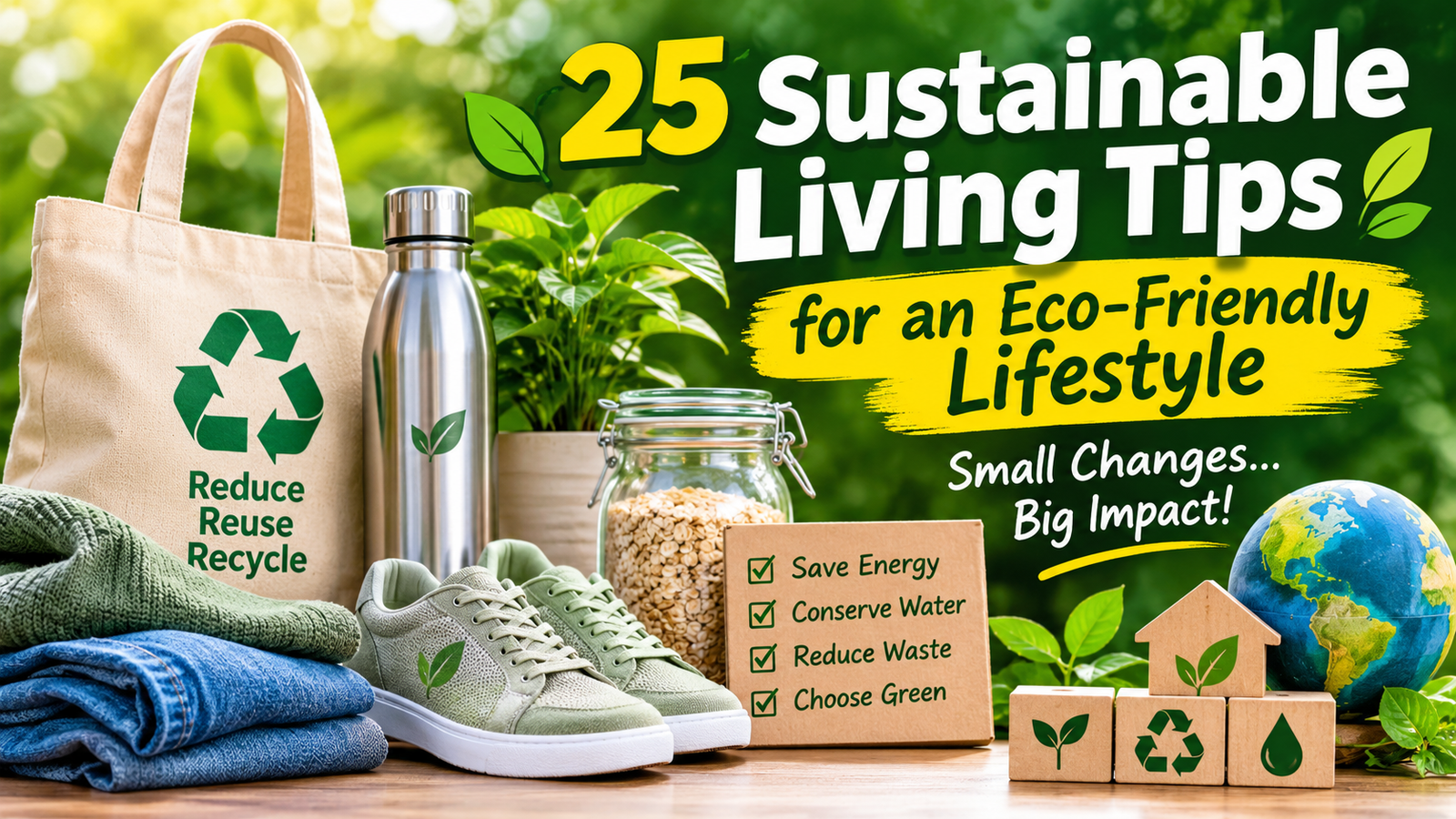
The way we live, shop, travel, eat, and use technology has a direct impact on the environment. From increasing plastic pollution to excessive electricity consumption and growing waste generation, everyday human activities contribute to environmental challenges. The good news is that small lifestyle changes can make a meaningful difference when practised consistently.
Following sustainable living tips is not about completely changing your lifestyle overnight or spending a fortune on environmentally friendly products. It is about making thoughtful decisions, reducing unnecessary consumption, using natural resources responsibly, and choosing products that create less environmental impact.
In 2026, sustainable living is becoming more relevant as people look for practical ways to reduce waste, save money, improve their surroundings, and make responsible purchasing decisions. Whether you live in an apartment, an independent house, or a busy city, there are several simple ways to make your daily routine more environmentally conscious.
This guide explores 25 practical ideas, from reducing household waste and saving electricity to choosing responsible fashion, sustainable footwear, and eco-friendly personal care products.
What Is Sustainable Living and Why Does It Matter?
Sustainable living means adopting habits that reduce environmental damage while supporting the responsible use of natural resources. It focuses on meeting our present needs without unnecessarily affecting the ability of future generations to meet theirs.
The concept includes several everyday activities:
- Conserving electricity and water.
- Reducing plastic consumption.
- Reusing and repairing products.
- Choosing locally available food.
- Avoiding unnecessary shopping.
- Supporting responsible brands.
- Using environmentally conscious transportation.
- Recycling household waste.
The Government of India’s Mission Life (Lifestyle for Environment) encourages individuals to adopt simple environmentally responsible behaviours. Its recommended actions include using cloth bags, composting food waste, saving electricity, reusing water, and reducing unnecessary consumption.
The central idea behind sustainable living tips is simple: responsible choices become more powerful when millions of people practise them regularly.
Read more about healthy lifestyle :Healthy Lifestyle | Mental Health
25 Practical Sustainable Living Tips for Everyday Life
1. Reduce Single-Use Plastic
Plastic bags, disposable cups, straws, and packaging contribute to pollution because many of these products are used only once and then discarded.
Start by carrying a reusable shopping bag, stainless-steel water bottle, and reusable lunch container. Avoid accepting unnecessary plastic packaging when alternatives are available.
You can also reuse glass jars for storing groceries, spices, and household essentials.
This is one of the easiest sustainable living tips to introduce into your daily routine because it requires very little investment.
2. Save Electricity at Home
Electricity consumption contributes to environmental impact, particularly when energy comes from fossil fuels.
Simple habits can reduce unnecessary consumption:
- Switch off lights when leaving a room.
- Replace traditional bulbs with LED lighting.
- Unplug chargers when they are not required.
- Use natural daylight whenever possible.
- Choose energy-efficient appliances.
- Keep air conditioners at a moderate temperature.
These small changes can also reduce monthly electricity bills.
3. Conserve Water Every Day
Freshwater is an essential natural resource, but it is often wasted through careless household habits.
Try taking shorter showers or using a bucket and mug. Repair leaking taps, turn off the tap while brushing, and reuse suitable leftover water for cleaning or watering plants.
Rainwater harvesting is another useful option for homes, residential societies, and commercial buildings.
Water conservation is among the most important sustainable living tips because it protects a resource that every household depends on.
4. Choose Reusable Products
Instead of purchasing disposable items repeatedly, invest in products that can be used for a longer period.
Examples include:
- Reusable steel bottles.
- Cloth shopping bags.
- Refillable pens.
- Glass storage containers.
- Washable cleaning cloths.
- Rechargeable batteries.
Before purchasing a new product, consider whether you already own something that can perform the same function.
5. Start Composting Kitchen Waste
Fruit peels, vegetable scraps, tea leaves, and other suitable organic waste can be converted into compost.
A small composting container on your balcony or terrace can help reduce the amount of organic waste sent to landfills.
Use the finished compost for household plants and kitchen gardens.
Avoid adding meat, dairy, or oily leftovers to a basic home composting system unless it is specifically designed to handle them.
6. Buy Local and Seasonal Food
Choosing locally produced and seasonal food can support nearby farmers and reduce the need for certain long-distance transportation and storage activities.
Visit local vegetable markets and purchase fruits and vegetables that are naturally available during the season.
Plan your meals before shopping to avoid buying more food than your household needs.
You can also explore traditional Indian foods such as millets, which are useful additions to a varied diet.
7. Reduce Food Waste
Food waste is an environmental and financial concern.
Prepare a weekly meal plan, store groceries correctly, and use older ingredients before opening new ones.
Some useful habits include:
- Prepare realistic portion sizes.
- Store leftovers safely.
- Check expiry dates.
- Freeze suitable food before it spoils.
- Share surplus edible food responsibly.
Reducing food waste is a practical example of how sustainable living tips can improve household budgeting as well as environmental responsibility.
8. Walk, Cycle, or Use Public Transport
Private vehicles contribute to traffic congestion and air pollution.
For short distances, consider walking or cycling when conditions are safe. For longer journeys, public transportation and carpooling can reduce the number of individual vehicles on the road.
If you need to travel regularly, consider planning multiple errands within one trip instead of making several separate journeys.
9. Choose Sustainable Clothing
The fashion industry uses natural resources and generates waste through manufacturing, transportation, packaging, and discarded clothing.
You can make more responsible fashion choices by purchasing fewer items and selecting durable materials.
Look for clothing that can be worn in multiple combinations, repaired easily, and maintained for several years.
When researching environment friendly clothing, check the actual material composition, manufacturing information, certifications, and brand transparency rather than relying only on marketing claims.
10. Buy Fewer but Better-Quality Products
Fast consumption encourages people to purchase products they may not actually need.
Before buying something, ask yourself:
- Do I genuinely need it?
- Can I repair my existing product?
- Is it durable?
- Can I reuse it?
- Is there a second-hand alternative?
Responsible purchasing is one of the most valuable sustainable living tips because reducing unnecessary production and consumption can help lower waste.
11. Choose Sustainable Footwear
Footwear is another category where responsible purchasing decisions matter.
Instead of replacing shoes frequently, look for durable construction, repairable soles, and transparent material information.
Some brands offer ecofriendly trainers made with recycled or alternative materials. However, the word eco-friendly does not automatically mean a product has a low environmental footprint.
Check the materials, production methods, packaging, durability, and end-of-life disposal options before purchasing.
12. Support Ethical Fashion Brands
Ethical fashion considers more than the appearance of a product. It also considers working conditions, responsible sourcing, manufacturing transparency, and environmental impact.
When shopping for sustainable mens clothing, look for brands that provide clear information about their supply chains, materials, and labour practices.
The same approach applies to women’s clothing and children’s fashion.
Choosing products thoughtfully can encourage businesses to improve their environmental and social practices.
13. Reduce Paper Consumption
Paper is used extensively in offices, schools, businesses, and households.
You can reduce paper consumption by:
- Using digital bills and receipts.
- Printing only when necessary.
- Selecting double-sided printing.
- Reusing unused notebooks.
- Recycling newspapers and cardboard.
- Reading digital documents where practical.
Digital alternatives can help reduce paper use, although electronic devices and cloud services also have environmental costs.
14. Repair Instead of Replacing Electronics
Electronic waste includes discarded phones, laptops, chargers, batteries, and other electrical devices.
Before replacing a gadget, consider whether its battery, screen, charging port, or software can be repaired.
Donate working electronics when appropriate, and send unusable devices to authorized e-waste collection and recycling facilities.
Never mix electronic waste with ordinary household garbage.
15. Grow Plants at Home
Plants can make indoor and outdoor spaces more pleasant while encouraging people to connect with nature.
You can start a small garden using:
- Tulsi plants.
- Mint.
- Coriander.
- Aloe vera.
- Money plants.
- Seasonal vegetables.
Use suitable containers and compost to make the most of limited balcony or terrace space.
A home garden can also help children understand plant growth, food production, and environmental responsibility.
16. Choose Natural and Responsible Personal Care Products
Personal care products are another area where consumers can make thoughtful decisions.
When purchasing skincare products, examine the ingredients, packaging, product claims, and suitability for your skin.
People searching for a natural sunscreen for face should remember that natural or mineral-based ingredients do not automatically guarantee adequate sun protection.
Choose a broad-spectrum sunscreen with an appropriate SPF, check its regulatory labelling, and follow the manufacturer’s application instructions.
Avoid assuming that homemade sunscreen or an untested natural formula provides reliable protection.
17. Avoid Unnecessary Shopping
Online shopping makes purchasing products convenient, but frequent impulse buying can increase packaging waste and consumption.
Before placing an order, wait and consider whether the purchase is necessary.
Combine orders when practical, avoid excessive packaging, and choose durable products rather than disposable alternatives.
18. Use Technology More Responsibly
Technology can support environmentally responsible habits, but electronic devices also consume energy and require natural resources.
Use power-saving settings, extend the life of smartphones and laptops, and avoid upgrading devices simply because a newer model has launched.
Smart home systems can help monitor electricity consumption, while digital reminders can encourage responsible habits.
Technology should support conscious living rather than encourage unnecessary consumption.
19. Spend More Time Away from Your Phone
A sustainable lifestyle is also about creating healthier relationships with consumption and everyday activities.
Instead of spending every free moment scrolling through social media, try reading, gardening, walking, cooking, exercising, or spending time with family.
If you need inspiration, explore ideas around 101 things to do instead of playing on your phone.
These activities can help reduce screen time and encourage more meaningful use of your free time.
20. Choose Reusable and Refillable Packaging
Refillable containers can reduce the need to purchase new packaging repeatedly.
Consider refill packs for suitable household cleaning products, refillable soap dispensers, and reusable storage containers.
However, check whether the refill system genuinely reduces packaging and whether the container can be used safely over time.
21. Practise Responsible Waste Segregation
Separating household waste makes recycling and disposal easier.
Keep separate containers for:
- Wet biodegradable waste.
- Dry recyclable waste.
- Domestic hazardous waste.
- Electronic waste.
Follow your local municipal waste collection guidelines because accepted materials and disposal systems differ between cities.
Proper segregation is one of the most practical sustainable living tips for households.
22. Choose Products With Transparent Environmental Claims
Many businesses promote products using terms such as green, natural, organic, biodegradable, and sustainable.
However, these terms do not always mean the same thing.
Look for reliable certifications, product information, recycled-content details, and clear manufacturing disclosures.
Avoid buying something simply because its packaging is green or contains nature-inspired pictures.
23. Support Community Environmental Initiatives
Individual action is important, but community participation can create a wider impact.
Take part in neighbourhood clean-up drives, tree plantation activities, recycling programmes, and awareness campaigns.
Residential societies can also introduce rainwater harvesting, composting, and waste segregation systems.
These activities encourage cooperation and make environmentally responsible behaviour easier to maintain.
24. Make Conscious Transportation Choices
Transportation decisions affect fuel consumption, air quality, and urban congestion.
Combine errands, avoid unnecessary vehicle trips, and consider public transport when practical.
For organisations, employee carpooling and work-from-home arrangements can also reduce some commuting requirements.
The most appropriate transportation choice depends on distance, accessibility, safety, and available infrastructure.
25. Build a Sustainable Daily Routine
The most effective approach is to create habits that are realistic enough to maintain.
You do not need to adopt all these ideas at once.
Start with three changes:
- Carry a reusable water bottle.
- Switch off unnecessary electrical appliances.
- Separate wet and dry household waste.
Once these habits become automatic, gradually introduce additional changes.
These sustainable living tips are most effective when they become part of everyday life rather than temporary challenges.
Sustainable Fashion: Making Better Clothing and Footwear Choices
Fashion is an important part of personal identity, but purchasing decisions also affect the environment.
A more responsible wardrobe focuses on durability, versatility, repair, reuse, and informed material selection.
What Makes Clothing More Sustainable?
Look for:
- Durable fabrics and construction.
- Recycled or responsibly sourced materials.
- Transparent manufacturing information.
- Repair and take-back programmes.
- Minimal unnecessary packaging.
- Clear information about labour practices.
Environment friendly clothing should be evaluated through its complete product lifecycle, not just its material label.
Are Ecofriendly Trainers Worth Buying?
Ecofriendly trainers may use recycled polyester, responsibly sourced natural materials, alternative textiles, or components designed to reduce waste.
Before buying, compare comfort, durability, repairability, material composition, and manufacturing transparency.
A shoe that lasts longer may be a more practical purchase than one that needs frequent replacement.
What Are Ethical Shoes?
Ethical shoes are footwear products made with attention to responsible labour practices, animal welfare considerations where relevant, material sourcing, and manufacturing transparency.
If you are shopping for ethical shoes, investigate the brand’s actual policies rather than relying only on promotional descriptions.
Mindful Living: The Importance of Your Thoughts and Daily Habits
Sustainable living is not limited to shopping and waste reduction. It also involves developing thoughtful habits and becoming more conscious of daily decisions.
For example, people exploring what is manifestation may come across the idea of focusing on personal goals and intentions. Although manifestation is not a scientific method for changing external circumstances, setting clear intentions can encourage goal-oriented behaviour.
Similarly, positive affirmation quotes can serve as motivational reminders to practise patience, consistency, and responsibility.
You might use simple affirmations such as:
- I make thoughtful choices every day.
- I respect the resources around me.
- I can create positive change through small actions.
- I choose quality over unnecessary consumption.
The core memory meaning, in a technology context, refers to memory that stores essential information for a computer system or device. This is different from personal memories, which can remind us why certain habits and experiences matter.
A Simple 7-Day Sustainable Living Challenge
If you are unsure where to begin, try this seven-day plan.
| Day | Activity |
| Day 1 | Carry a reusable shopping bag and water bottle. |
| Day 2 | Switch off unnecessary lights and appliances. |
| Day 3 | Separate household wet and dry waste. |
| Day 4 | Avoid buying unnecessary products. |
| Day 5 | Plan meals and reduce food waste. |
| Day 6 | Walk, cycle, or use public transportation for a suitable journey. |
| Day 7 | Start a small home garden or composting activity. |
At the end of the week, identify which activities were easiest to maintain. Continue those habits and add new ones gradually.
Common Mistakes to Avoid When Adopting a Sustainable Lifestyle
Even people with good intentions can make choices that do not deliver the expected environmental benefits.
Here are some common mistakes:
1. Buying too many eco-friendly products: Purchasing new products unnecessarily can defeat the purpose of reducing consumption.
2. Believing every natural product is sustainable: Natural ingredients and materials can still involve resource-intensive production.
3. Ignoring product durability: A reusable product is only useful when it is actually reused.
4. Following trends without checking facts: Environmental marketing claims should be supported by reliable information.
5. Trying to change everything immediately: Making too many changes at once can make habits difficult to maintain.
The goal of sustainable living tips is to encourage consistent progress rather than perfection.
Final Thoughts
Creating a more environmentally responsible lifestyle does not require expensive investments or dramatic lifestyle changes. It begins with small decisions, such as carrying reusable bags, conserving water, reducing electricity consumption, repairing electronics, and buying only what you need.
The best sustainable living tips are the ones that fit naturally into your routine and remain practical over time.
Whether you are improving your shopping habits, choosing more durable clothing, reducing food waste, or participating in community initiatives, every thoughtful decision contributes to a more responsible approach to resource consumption.
Start with one change today, build consistency, and encourage others to do the same. A better environment begins with everyday choices.
Frequently Asked Questions (FAQs)
Q1. What are the best sustainable living tips for beginners?
The best sustainable living tips for beginners include carrying reusable bags, avoiding single-use plastics, conserving water, switching off unnecessary electrical appliances, reducing food waste, and separating household waste. Start with two or three manageable habits and gradually introduce more changes.
Q2. How can I follow sustainable living tips at home?
You can follow sustainable living tips at home by using LED bulbs, repairing leaking taps, composting kitchen waste, growing plants, reusing containers, reducing plastic packaging, and purchasing only essential products. These activities are affordable and easy to introduce into daily routines.
Q3. Can sustainable living tips help save money?
Yes. Many sustainable living tips can reduce household expenses. Conserving electricity and water, repairing electronics, planning meals, reusing containers, and avoiding impulse purchases can help reduce unnecessary spending.
Q4. What are some sustainable lifestyle tips for students?
Students can carry reusable water bottles, use both sides of paper, share textbooks, walk or cycle when safe, avoid disposable products, switch off classroom lights, and participate in environmental activities. These sustainable lifestyle tips can also encourage responsible habits at an early age.
Q5. How can I make my wardrobe more sustainable?
Buy fewer but more durable clothes, reuse existing outfits, repair damaged garments, purchase second-hand clothing when appropriate, and check material and manufacturing information. Responsible shopping is an important part of sustainable living tips.
Q6. Are eco-friendly products always sustainable?
No. A product marketed as eco-friendly may still involve resource-intensive production, excessive packaging, or limited durability. Check its materials, manufacturing information, certifications, and expected lifespan before purchasing.
Q7. What is the easiest way to start an eco-friendly lifestyle?
The easiest approach is to make one small change at a time. Start by carrying a reusable bag, avoiding unnecessary plastic, switching off unused lights, and reducing food waste. Consistency matters more than making many changes immediately.
Q8. Why are sustainable living tips important in 2026?
Sustainable living tips are important because they encourage responsible resource consumption, reduce unnecessary waste, support environmental awareness, and help households develop practical habits. When adopted by individuals and communities, these actions can contribute to wider environmental improvements.