 By
By Introduction
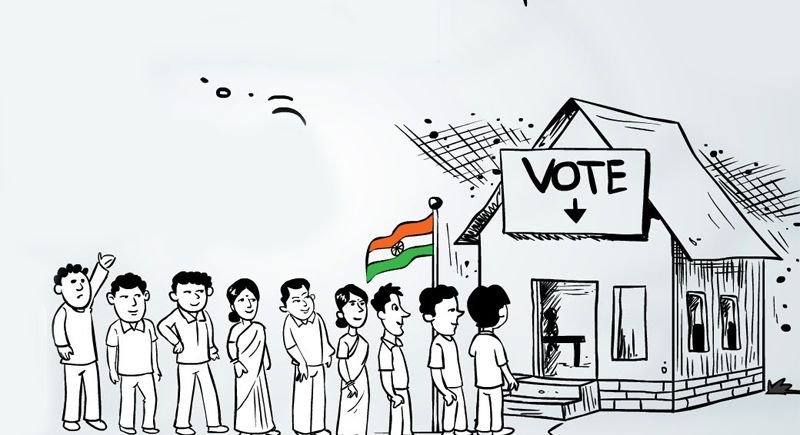
Every election season, governments, political parties, media organizations, and civil society groups encourage citizens to vote. Posters appear on streets, awareness campaigns spread across television and social media, and public figures remind people that every vote matters. Despite these efforts, many democracies continue to struggle with one major challenge: low voter turnout.
Voting is the foundation of a democratic society. It gives citizens the power to choose their leaders, influence policies, and shape the future of their country. Yet, for many people, election day is treated as just another date on the calendar rather than a meaningful civic occasion. Some citizens skip voting because they are busy, while others feel disconnected from politics or believe their vote will not make a difference.
This situation raises an interesting question: Should Voting Day be a National Festival?
The idea of a Voting Day National Festival is gaining attention as a possible solution to low voter turnout.
Imagine a day where citizens not only cast their votes but also celebrate democracy through community events, educational activities, cultural programs, and public discussions. Instead of viewing voting as a routine responsibility, people could see it as a collective celebration of their democratic rights and responsibilities.
Supporters of this idea believe that a Voting Day National Festival could significantly increase voter turnout, improve civic awareness, and encourage greater democratic participation. Critics, however, argue that elections are serious political events that should not be mixed with celebrations.
As democracies around the world search for innovative ways to encourage participation, the concept of celebrating Voting Day as a national festival deserves serious consideration.
What Is a Voting Day National Festival?
When most people hear the word “festival,” they think of celebrations, cultural events, food, music, and community gatherings. A Voting Day National Festival, however, would have a different purpose.
The primary goal would be to celebrate democracy while encouraging citizens to exercise their right to vote.
Rather than turning elections into entertainment events, the idea would focus on making democratic participation more visible, engaging, and meaningful.
How Would a Voting Day National Festival Work?
A Voting Day festival could include:
- A national public holiday dedicated to voting.
- Community events promoting civic awareness.
- Educational workshops about democracy and governance.
- Youth engagement programs and mock elections.
- Cultural activities celebrating national unity.
- Volunteer campaigns encouraging voter registration.
- Public discussions about citizenship and democratic values.
- Information booths helping voters understand election procedures.
The purpose would be to create an atmosphere where citizens feel motivated to participate in elections and understand the importance of their vote.
Just as countries celebrate Independence Day or Constitution Day, a Voting Day festival would celebrate the democratic power of citizens.
Why a Voting Day National Festival Could Improve Voter Turnout
One of the strongest arguments in favor of a Voting Day National Festival is its potential impact on voter turnout.
Voter turnout refers to the percentage of eligible voters who participate in an election. High voter turnout is often considered a sign of a healthy democracy because it indicates that citizens are actively involved in the political process.
The Link Between Voter Turnout and Democratic Representation
When more people vote, election results better reflect the views and interests of society as a whole.
High voter turnout ensures that:
- Governments have stronger democratic legitimacy.
- More groups within society are represented.
- Public policies reflect broader public interests.
- Citizens feel connected to political institutions.
In contrast, low voter turnout can create problems.
When only a small percentage of eligible voters participate, elected leaders may not accurately represent the priorities of the entire population. This can lead to political dissatisfaction and declining trust in democratic institutions.
How Low Voter Turnout Affects Elections
Low voter turnout can have several consequences:
- Reduced political accountability.
- Weaker public trust in government.
- Less representation of young voters.
- Increased influence of highly motivated interest groups.
- Greater political polarization.
For this reason, governments and election authorities continuously search for ways to encourage more people to vote.
A Voting Day National Festival could be one innovative solution.
The Global Challenge of Low Voter Turnout
Despite the importance of voting, many countries struggle with declining participation rates.
Several factors contribute to low voter turnout.
Lack of Political Interest
Many citizens simply do not follow politics closely. They may feel disconnected from political debates and believe that election outcomes will not significantly affect their lives.
Distrust in Political Leaders
Political scandals, corruption cases, and broken campaign promises often reduce public confidence in elected officials.
Busy Modern Lifestyles
Modern life is increasingly demanding. Work schedules, family responsibilities, and daily commitments often leave people with limited time and energy to participate in elections.
Lack of Awareness
Some citizens are not fully informed about candidates, political parties, election procedures, or key public issues.
Youth Disengagement
Young voters often participate at lower rates than older generations. Many first-time voters feel that politics is complicated, uninteresting, or disconnected from their daily lives.
How a Voting Day National Festival Could Increase Voter Turnout
The central argument supporting a Voting Day festival is that it could make voting more attractive, accessible, and meaningful.
Making Voting More Accessible
If Voting Day were declared a national holiday, citizens would have more time to visit polling stations. Many people currently face scheduling conflicts that prevent them from voting.
Creating Civic Awareness
A national festival could serve as a large-scale civic education campaign.
Schools, universities, community organizations, and local governments could host programs explaining:
- Why voting matters.
- How elections work.
- The importance of democratic participation.
- The role of citizens in government.
Encouraging First-Time Voters
First voting experiences often influence future political participation.
A positive and engaging atmosphere could encourage young people to develop lifelong voting habits.
Building a Sense of Community
When communities come together to celebrate democratic participation, individuals may feel more motivated to vote.
Strengthening Democratic Participation
A Voting Day National Festival could help citizens view democracy as an active process rather than a passive system.
Countries That Successfully Encourage High Voter Turnout
Australia
Australia consistently records some of the highest voter turnout rates in the world due to compulsory voting laws.
Sweden
Sweden achieves high voter turnout through strong civic education and public trust in democratic institutions.
New Zealand
New Zealand emphasizes voter accessibility and public awareness campaigns to encourage participation.
India
As the world’s largest democracy, India conducts elections involving hundreds of millions of voters. Extensive voter awareness campaigns play a key role in increasing participation. According to the Election Commission of India, voter awareness initiatives help encourage citizens to participate in the electoral process.
Benefits of a Voting Day National Festival
Higher Voter Turnout
The most obvious advantage would be greater electoral participation.
Greater Civic Engagement
Citizens may become more interested in community issues, local governance, and public policy discussions.
Increased Political Awareness
Educational institutions and civic organizations could use the occasion to improve public understanding of democracy.
Stronger National Unity
A Voting Day festival could shift attention from political differences to shared democratic values.
Long-Term Democratic Benefits
Over time, such celebrations may create stronger voting habits and encourage lifelong civic participation.
Potential Challenges of a Voting Day National Festival
Risk of Politicization
Political parties might attempt to use festival activities to influence voters.
Additional Government Costs
Organizing nationwide events would require funding and administrative support.
Logistical Difficulties
Managing elections and public celebrations simultaneously could be challenging.
Maintaining the Seriousness of Elections
Some critics argue that voting should remain a serious civic responsibility rather than a festive event.
Could a Voting Day National Festival Work in India?
India’s Democratic Culture
Indian elections already generate enormous public interest and participation.
Youth Participation
India’s large youth population provides an opportunity to encourage lifelong voting habits.
Festival-Oriented Society
Since festivals are deeply rooted in Indian culture, a celebration of democracy could fit naturally into society.
Digital Awareness Campaigns
Social media and digital platforms could be used to encourage voter participation and awareness.
The Role of Technology in Increasing Voter Turnout
Digital Education
Online resources can help citizens learn about voting procedures and political issues.
Online Awareness Campaigns
Governments and election authorities can use social media to reach voters more effectively.
Election Information Platforms
Dedicated websites and mobile applications can provide reliable election information and reduce misinformation. As technology continues to shape politics, concepts like AI-led governance are also being discussed. Read our article on AI Political Party Without Humans in 2026.
The Future of Voter Turnout and Democratic Participation
As societies evolve, democracies must continue finding new ways to encourage participation.
Future strategies may include civic education programs, digital engagement campaigns, community-based initiatives, and public awareness festivals.
The goal is not only to increase voter turnout during elections but also to build a culture of active citizenship.
Conclusion
The concept of a Voting Day National Festival is both innovative and thought-provoking. At its core, the concept seeks to strengthen democracy by encouraging higher voter turnout, increasing civic awareness, and promoting active citizenship.
Supporters believe that such a festival could help create stronger democratic participation, inspire young voters, and reinforce national unity. Critics raise concerns regarding costs, politicization, and logistical difficulties.
Ultimately, the success of a Voting Day National Festival would depend on careful planning, political neutrality, and a clear focus on democratic values.
Voting is more than a constitutional right. It is a powerful expression of citizenship, responsibility, and collective self-governance.
If democracy is worth protecting, perhaps it is also worth celebrating.
Frequently Asked Questions (FAQs)
1. What is a Voting Day National Festival and how can it increase voter turnout?
A Voting Day National Festival is a proposed concept where election day is celebrated through civic activities, educational events, and community programs while encouraging citizens to vote.
2. Can a Voting Day National Festival increase voter turnout?
Supporters believe that making voting more visible, accessible, and engaging could encourage greater participation and improve voter turnout.
3. What are the benefits of celebrating Voting Day?
Benefits include higher voter turnout, increased civic awareness, stronger community engagement, and greater democratic participation.
4. What challenges could arise from such a festival?
Possible challenges include politicization, financial costs, logistical complexities, and concerns about maintaining the seriousness of elections.
5. Could India implement a Voting Day National Festival?
India’s strong democratic traditions, large youth population, festival culture, and growing digital connectivity make it a potential candidate for such an initiative.