
 By
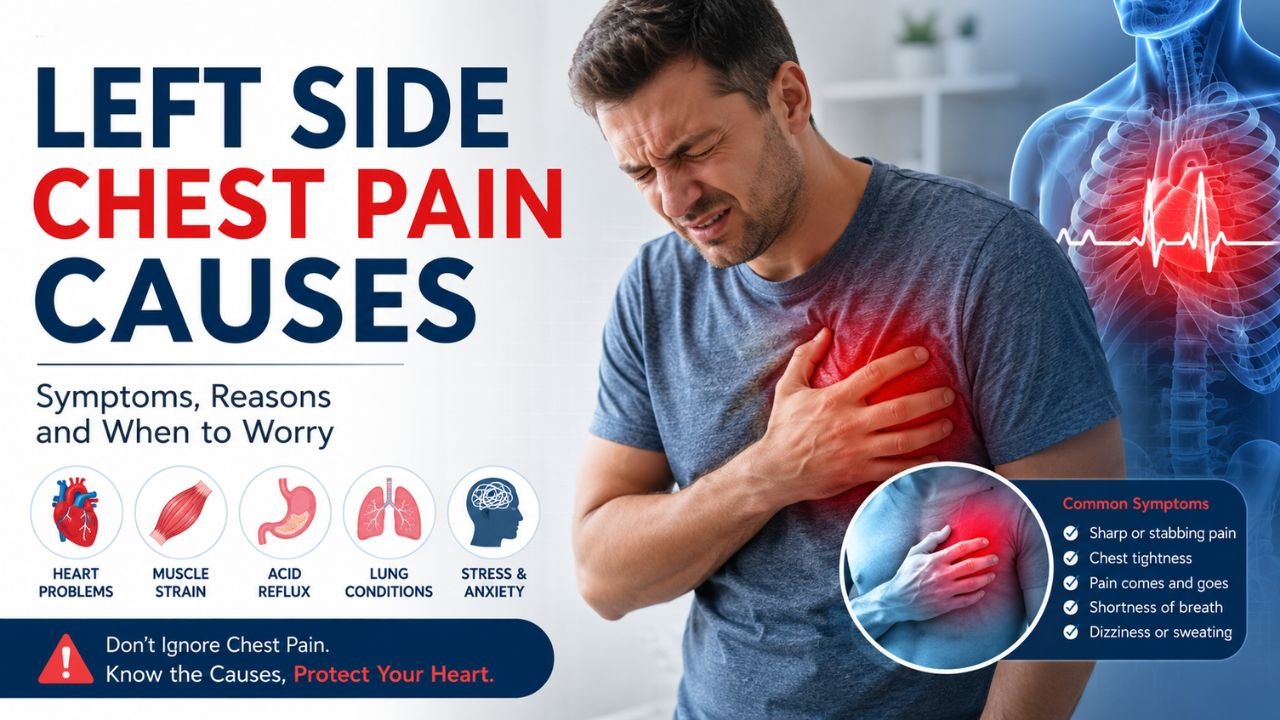
By Chest pain is a symptom that is understandably alarming. It can be something simple, like a strained muscle, or something much more severe, like a heart condition. For many, the first thing they think of when they experience discomfort is a heart attack. However, chest pain on the left side has many causes that do not involve the heart. The pain may be from a muscle or rib injury, or may even be from the lungs or the digestive tract. Anxiety has also been known to cause chest pain. Knowing the possible causes can help you determine if you should go to the emergency room or if you should schedule an appointment with your doctor. Understanding Left Side Chest Pain Causes helps identify whether the pain is related to the heart, lungs, muscles, digestive system, or another underlying condition.
A common symptom that is very confusing for many is the quick, needle-like pain that occurs in the chest. This pain is very sharp, but also very quick, and people are often left wondering if it is something to be concerned about. This needle-like pain that occurs in the chest is sometimes harmless and is caused by the irritation of a muscle. However, it can also be caused by other serious medical conditions, so it is very important to take it seriously.
This guide explains some of the common causes of pain in the left side of the chest, differentiates between heart pain and non-heart pain, and analyzes needle-like pain in the chest that comes and goes.
Medical Disclaimer: This article is intended for general informational and educational purposes only. It does not provide medical advice, diagnosis, or treatment. Left side chest pain can have many causes, including potentially serious heart and lung conditions. If you experience sudden, severe, persistent, or unexplained chest pain especially with breathing difficulty, sweating, fainting, nausea, or pain spreading to the arm or jaw—seek immediate medical attention. Do not delay professional evaluation or rely on home remedies for potentially serious symptoms.
What Is Left Side Chest Pain?
Pain on the left side of the chest encompasses any pain from the left side of the neck, chest, and the upper left part of the abdomen. This type of pain can present as dull, sharp, burning, squeezing, stabbing, or as a pressure sensation. The duration for which this pain persists can be a few seconds, multiple minutes, or days, depending on the underlying condition. Knowing the different Left Side Chest Pain Causes is the first step toward proper diagnosis and treatment.
Left side chest pain is common even in the cases that the heart tests are normal. This is because the chest is made up of many organs that can all potentially cause pain. Some of these organs are:
- Heart
- Lungs
- Ribs
- Muscles
- Cartilage
- Esophagus
- Stomach
- Nerves
Because of the number of organs that can cause left side chest pain, seeking a medical evaluation is vital.
Why Does Left Side Chest Pain Happen?
Why does chest pain happen on the left side? This is one of the most common questions that patients have. Nerves in the chest send signals to the brain about a variety of conditions, including inflammation, injury, infection, reduced blood supply, and even muscle strain. Doctors evaluate several Left Side Chest Pain Causes before determining the exact reason for your symptoms.
Many people feel a short, sharp, needle-like pain in the chest immediately after certain physical activities, while for some others, pain is felt during rest or is triggered by stress. The type of chest pain as well as the location and duration is helpful in determining the cause.
Examples include:
- A squeezing sensation may be a sign of decreased blood supply to the heart.
- Chest pain with a burning sensation may be due to acid reflux.
- Needle-like or stabbing chest pain that comes and goes may be due to muscle inflammation or irritation of the chest wall.
- Chest pain that comes and goes and is triggered by movement is likely a problem with the chest wall.
- Identifying the patterns of left side chest pain helps doctors to determine the cause of the pain.
Common Left Side Chest Pain Causes
Numerous medical issues can cause left-sided chest pain. Some of these issues are critical while others improve with rest and some medications.
Conditions Related to the Heart
The first concern during any chest pain is the heart.
Some conditions related to the heart include:
- Angina
- Heart attack
- Pericarditis
- Cardiomyopathy
- Coronary artery disease
Pressure, tightness, or heaviness are more common than sharp, stabbing pain. Classic symptoms are not experienced by all.
Commonly, people wonder if the pain is a heart attack when the pain is sharp and comes and goes. The truth is, the pain related to the heart usually lasts several minutes and spreads to the jaw, shoulder, neck, or left arm. Nevertheless, the heart should always be the concern with chest pain.
Heart issues are among the most vital concerns with serious chest pain because the prompt treatment of heart issues is critical to survival.
Pain of the Chest Muscles
Not every instance of chest pain is related to the heart.
Chest Pain can be the result of poor posture, exercise, lifting heavy objects, or sudden twisting injuries that can strain the muscles between the ribs.
Common symptoms include:
- Pain during movement
- The area is tender to touch
- Pain that increases while the muscle is stretched
- Localized soreness
Patients that are concerned about a heart issue when they have chest muscle pain can be assured that the cause of the pain is muscular and not a strain on the heart.
Knowing how to determine if chest pain is muscular can lessen the irrational anxiety associated with the concern that the pain is a heart issue.
Costochondritis
Costochondritis is the inflammation of the cartilage that connects the ribs to the breastbone.
Symptoms include:
- Sharp pain near the breastbone
- Pressing the chest may cause pain
- Pain may occur when coughing and with deep breaths
- Discomfort may occur on either side of the chest
Among the more common causes of left side chest pain, especially among young adults and middle-aged groups is this condition.
Lung Conditions
Discomfort in the chest may also arise due to a lung condition.
Common causes of lung pain may include:
- Pneumonia
- Pleurisy
- Pulmonary Embolism
- Collapsed lung
- Infection of the lung
There is a common concern that the act of coughing causes chest pain. It is a true concern. Continuous coughing irritates the lung lining and strains the chest muscles.
If coughing is combined with pain, fever, difficulty breathing and a severe case of shortness of breath and/or he is employing a method of ventilating with the aid of an external device, then he should absolutely seek medical attention.
Digestive Problems
Left side chest pain may be caused by something as basic as a clog in the digestive tract, especially if frequent after a meal.
For example, the following may lead to thoracic pain:
- Gastroesophageal reflux disease (GERD)
- Esophageal spasms
- Hiatal hernia
- Stomach ulcers
Pain from acid reflux may be severe and mimic heart disease. After eating inflammatory foods some may even experience pain in the center of the chest. The following Left Side Chest Pain Causes range from mild muscle strain to serious heart disease.
If discomfort is frequent after eating then the cause may also be related to structures and the function of the digestive tract rather than the heart.
Heart-Related vs Non-Heart-Related Chest Pain
Knowing the difference between serious and less serious chest pain can be helpful, although only a medical professional can make a diagnosis.
| Heart-Related Chest Pain | Non-Heart-Related Chest Pain |
| Pressure or squeezing sensation | Sharp or localized pain |
| Lasts several minutes | Often lasts only seconds |
| May spread to jaw, shoulder, or arm | Usually stays in one spot |
| May occur during physical exertion | May worsen with movement or coughing |
| Often accompanied by sweating or nausea | Often associated with muscle tenderness |
If you experience a heavy feeling in your chest, have extreme shortness of breath, or have pain that travels down your left arm or jaw, you need to go to the emergency room right now.
Otherwise, brief sharp and sudden chest pain (with no other symptoms) has nothing to do with the heart. Even though it is not cardiac related, you should get a checkup for persistent or recurrent symptoms. Heart disease remains one of the most important Left Side Chest Pain Causes that should never be ignored.
Needle Like Pain in Chest That Comes and Goes: What Does It Mean?
Among symptoms, one that prompts online searches is needle-like pain in the chest that comes and goes. This is usually described as being stabbed in the chest with a pin that quickly recedes.
The duration of the sensation can be any of the following:
- One second
- Five seconds
- A few minutes
The sensation has several possible causes which include:
- Muscle spasms
- Irritation of chest nerves
- Costochondritis
- Anxiety
- Acid reflux
- Minor inflammation
Though the needle-like pain in the chest that comes and goes is usually harmless, the episodes should be evaluated by a doctor in case they are associated with dizziness, sweating, fainting, or difficulty in breathing.
Other names for this sensation include:
- Needle pain in chest
- Pin like pain in chest
- Pin pain in left chest
- Pricking sensation in chest
- Stabbing pain in chest
- Poking pain in chest
Doctors understand these to be alarming symptoms, but they use other associated symptoms, the patients’ medical history, and examinations to find the underlying cause of the symptoms.
Can Anxiety Cause Left Side Chest Pain?
Anxiety is a major factor that can cause pain in the left side of the chest. During panic attacks, the secretion of adrenaline increases the heart rate and tenses the muscles in the chest. This results in:
- Difficulty in breathing
- Normal but fast heart beat
- Discomfort in the chest
- Chest pain that comes and goes in the form of needles
Chest pain causes much more discomfort than a tensed feeling. There is a similar perception of a heart attack during a panic attack.
Although panic attacks and heart attacks feel very similar, the assumption should never be that anxiety is the cause. Pain in the chest can also be caused by heart related diseases.
Left Side Chest Pain Symptoms You Should Never Ignore
It’s important to recognize the symptoms of pain on the left side of the chest in addition to the possible causes. Some symptoms may point to relatively minor issues, while others may be life-threatening.
Symptoms may include but are not limited to:
- Sharp/Dull pain on the left side of the chest
- Heavy/Tight feeling in the chest
- Burning sensation after meals
- Occasional needle pain in the chest
- Pain radiating to the left arm, shoulder, neck, or jaw
- Pain occurs while taking deep breaths
- Chest pain while laying down
- Fainting/Dizziness
- Shortness of breath
- Sweating/Nausea
Pain on the left side of the chest which causes discomfort, combined with breathing difficulty and the loss of consciousness, requires immediate emergency care.
Left Side Chest Pain Causes Not Related to Heart
While heart disease is understandably alarming, many causes of left side chest pain have nothing to do with the heart. Some of these include the following.
Anxiety and Panic Disorders
Stress and anxiety can manifest in ways that can be mistaken for heart disease.
Symptoms can include the following:
- Rapid Heartbeat
- Chest Tightness
- Excessive Sweating
- Tremors
- Transient, needle-like pain in the chest
Many people attempt to differentiate between needle-like pain in the chest due to anxiety versus heart-related pain, as both can be very similar. Anxiety-related pain typically comes during an emotionally stressful situation and subsides after the individual has had time to relax, whereas heart-related pain is typically the opposite and is aggravated with physical activity. Additionally, those with an anxiety disorder and chronic left side chest pain will require a differential diagnosis of anxiety to rule out the aforementioned condition.
Costochondritis
Costochondritis is the inflammation of the cartilage found in the rib cage. This can result in localized pain in the chest.
Symptoms can include the following:
- Pain with movement
- Chest tenderness
- Pain while taking deep breaths
- Left side pricking pain of the chest
Costochondritis is one of the left side chest pain causes that is commonly seen and not related to heart disease.
Acid Reflux and GERD
Several gastrointestinal diagnoses can present symptoms similar to that of chest pain related to heart disease.
These can include the following:
- Burning chest pain
- Sour taste
- Pain that occurs after eating
- Chest pain that is worse in the supine position (lying down)
- Pain to the center of the chest
Many people confuse acid reflux with heart disease.
Lung Problems
There can be numerous differential diagnoses that can be left side chest pain causes that are of a respiratory nature.
A few examples include the following:
- Pneumonia
- Pleurisy
- Pulmonary embolism
- Asthma
- Bronchitis
A common question patients have is whether a cough can cause chest pain. Yes. Coughing can strain the muscles. It can also cause inflammation of the chest wall and can worsen other respiratory infections that get innervated.
Muscle Strain
Chest muscle pain can also be caused by injury from over use or by accidents from lifting weights. Poor posture and sudden movements can also lead to the same pain. Learning how to identify if the pain is caused by a muscle strain can help a young child distinguish muscle pain from pain caused by a serious condition of the heart.
Symptoms that indicate the pain is muscular include:
- Pain after exercise
- Pain that can be caused by movement
- Tender muscles
- Pain that is prolonged while resting
Some also wonder how to determine if chest pain is muscular or lung-related. Pain caused by an illness of the lung can worsen caused by coughing. It can also be paired by fever. Pain caused by a muscle strain can be neglected and healed by rest.
Left Side Chest Pain Causes in Men Over 40
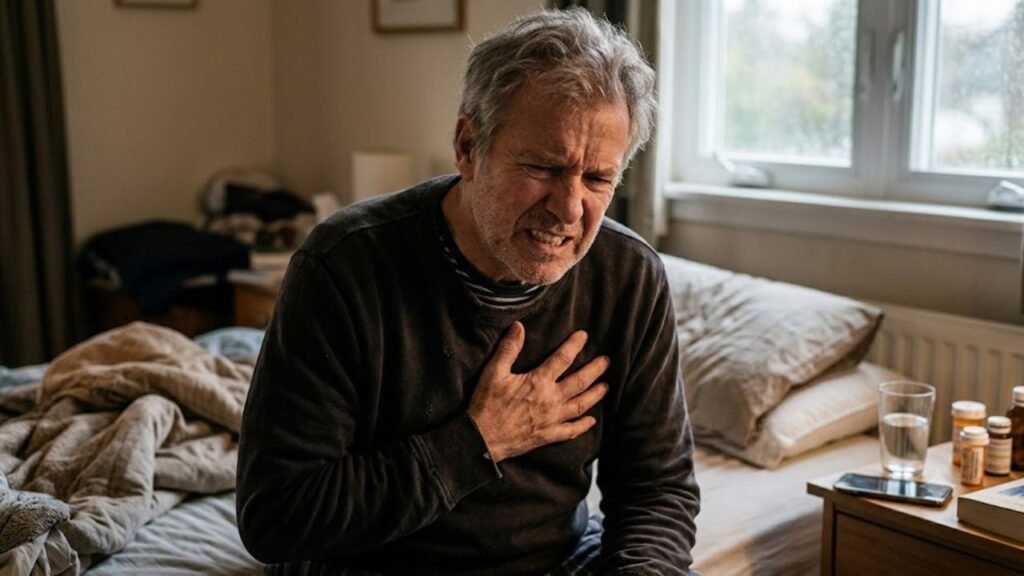
Age is one of the factors that can lead to an illness of the heart. In older adults, Left Side Chest Pain Causes are more likely to involve cardiovascular disease.
Some causes of pain in the left side of the chest in men over the age of 40, can be:
- Coronary artery disease
- Hypertension
- High blood cholesterol
- Diabetes
- Heart disease caused by smoking
Heart disease in men over the age of 40 who have estimated pain in the chest is caused by a needle like pain in the arm, is caused because there is a risk factor of ischemia.
Chest Pain in Women
Heart disease symptoms can present differently for men and women. Understanding Left Side Chest Pain Causes in women is important because symptoms may be less typical.
Some common symptoms that women experience for chest pain include:
- Mild chest discomfort
- Fatigue
- Nausea
- Back pain
- Jaw pain
Less severe pain that may feel more like pressure than pain
Women also tend to Google “what causes chest pain in a woman” as their symptoms may not correlate with the classic heart attack symptoms.
Women should definitely seek help if they are experiencing left side chest pain and assume that stress or indigestion is the cause.
Why Does My Chest Feel Tight?
Patients often have the same complaint “Why does my chest feel tight?”
Reasons for chest tightness:
Chest tightness may result from:
- Asthma
- Anxiety
- Heart disease
- Acid reflux
- Lung infections
- Allergies
If the tightness persists and is accompanied by difficulty breathing, evaluation should definitely be done.
Many people wonder how to get rid of the tightness in the chest. Chest tightness may occur due to several Left Side Chest Pain Causes, including heart, lung, and anxiety disorders.
Chest tightness has to be diagnosed and treated rather than just masking the symptoms.
Types of Chest Pain
Doctors determine the type of chest pain based on the nature of the pain.
Sharp Pain
Sharp pain can occur as:
- Pain that happens randomly in the chest that is sharp, stabbing pain that lasts for only a second.
- Pain in the heart that feels like a stabbing needle or a pin.
This type of pain is usually the result of the irritation, inflammation, or irritation of the muscle or nerves.
Pressure Pain
This type of pain can be associated with:
- Angina
- A heart attack
Reduced flow of blood
This is usually described as the following:
- A feeling of heaviness in the chest
- A feeling of tightness in the chest
- A feeling of pressure in the chest
- A painful burning sensation in the chest
- Typical of a cardiac event
- Burning Pain
This pain is usually associated with a digestive issue like GERD.
Stabbing Pain
This type of pain can be described as:
- A poking pain in the chest
- A pricking pain in the chest
- A piercing pain in the chest
- Stabbing pain in the heart
Many conditions can cause this pain, and many of them are harmless, like muscle spasms, and some of them are serious. Different Left Side Chest Pain Causes produce different pain patterns, helping doctors identify the underlying condition.
How Doctors Diagnose Left Side Chest Pain Causes
To diagnose the possible causes of left side chest pain, providers may order:
- Physical examinations
- Blood work
- Electrocardiograms
- Chest X-rays
- Echocardiograms
- CT imaging
- Stress testing
- Coronary angiograms (if needed)
Your physician will inquire about:
- Onset of pain
- Duration of pain
- If the pain travels
- If there is intermittent needle-like chest pain that occurs while exercising or resting
- Family history of coronary artery disease
- These will help the physician evaluate the possible causes of left sided chest pain.
Proper testing is essential to identify the exact Left Side Chest Pain Causes.
How to Reduce Chest Pain
Treatment completely hinges on the specific condition. Treatment always depends on the underlying Left Side Chest Pain Causes.
Some generally good ideas are:
- Rest if straining a muscle.
- Drink adequate water.
- Quit smoking.
- Eat food low in fat and high in fiber.
- Take steps to keep your blood pressure and blood sugar in check.
- Practice relaxation techniques.
- Adhere to your medication regimen.
A person inquiring as to how one reduces chest pain must keep in mind that whatever the home cures may be, they are not a substitute for emergency care, especially in the event of a heart attack. Understanding the various Left Side Chest Pain Causes can help you seek the right treatment without delay.
How to Reduce Chest Pain
This changes drastically depending on the underlying causes.
Common remedies may include the following:
If the cause of the pain is muscle strain then rest is your best option.
- Drink plenty of water.
- Stop smoking.
- Try a heart-healthy diet.
- Manage your blood pressure and diabetes.
- Reduce your stress with relaxation methods.
- Make sure to take any medications that are prescribed.
If someone is searching for ways to decrease chest pain, think of these methods, but also remember that if you are having potential heart attack symptoms, then these methods are not a substitute for emergency medical care.
How to Relieve Chest Pain
If your doctor has ruled out other emergency conditions, the same methods could include:
- Anti-inflammatory medicine.
- Muscle relaxants.
- Gastroesophageal reflux disease medications.
- Management of anxiety.
- Stretching.
- Other lifestyle changes.
The best way to answer how to decrease chest pain depends on the pain’s cause be it a muscle, digestive issue, lung or heart related.
The same goes for chest tightness where addressing asthma, anxiety, or any heart or lung disease is a good starting point.
When Should You Worry About Needle-Like Chest Pain?
Many people wonder about the seriousness of needle-like pain in the chest.
You should visit the emergency room if you experience:
- Chest pain lasting longer than several minutes
- Pain in an arm or the jaw
- Chest pain combined with shortness of breath
- Pain accompanied by excessive or profuse sweating
- Fainting
- Lips that appear cyanotic or blue
- An accelerated heartbeat
- Sudden loss of strength
Needle-like short and recurring chest pain is usually caused by something other than a heart attack, but the episodes should be checked out by a doctor.
Also, pain that is sharp and needle-like in the chest for a few seconds and then gone, may be harmless to some, but should still be looked at if it continues.
Naturally, the concern is, is needle-like pain in the chest a heart attack symptom? The answer is no, at least not normally. It is a more serious symptom and again, the only way to know is to go see a doctor.
Another symptom that is commonly reported is chest pain that is left and comes and goes for weeks. This is more than likely some sort of muscle strain, anxiety, or inflammation, but again, should be checked out to rule other possible conditions.
Final Thoughts
It’s quite common for anyone who experiences left side chest pain to feel concern, and for good reason. While muscle strain, anxiety, acid reflux, and inflammation are causes that are less severe, left side chest pain may also be caused by heart and lung issues that are potentially life threatening. For your health, it is imperative that you differentiate between the types of chest pain and know when to seek help. If pain in your chest that is similar to a needle occurs intermittently, the most important thing is to not let it go. Though briefly painful episodes may be completely harmless, being aware of the potentially serious symptoms of pain lets you go to health care sooner to avoid complications. Learning about Left Side Chest Pain Causes enables people to recognize warning signs and seek medical care promptly.
Causes of left side chest pain are reduced by living a healthy heart lifestyle and keeping stress and chronic conditions at bay. High blood pressure and diabetes are two chronic conditions that are especially important to address. If you experience symptoms that you cannot explain, it is best to be evaluated by a health care professional.
FAQs About Left Side Chest Pain
Q1: What are the common causes of left side chest pain?
Common causes include muscle strain, costochondritis, acid reflux, anxiety, lung conditions, and heart problems.
Q2: Can a needle-like chest pain be serious?
It is often caused by muscles, nerves, or inflammation, but recurrent or severe pain should be medically evaluated.
Q3: Can anxiety cause left side chest pain?
Yes. Anxiety and panic attacks can cause chest tightness, rapid heartbeat, and sharp or intermittent chest pain.
Q4: How can I tell if chest pain is muscular?
Muscular pain may worsen with movement, stretching, or pressing the affected area, but a doctor should confirm the cause.
Q5: Can acid reflux cause left side chest pain?
Yes. Acid reflux can cause burning or discomfort in the chest, particularly after meals or when lying down.
Q6: When should I seek emergency care for chest pain?
Seek immediate care for chest pain with shortness of breath, sweating, fainting, nausea, or pain spreading to the arm, jaw, neck, or back.
Q7: Can coughing cause chest pain?
Yes. Persistent coughing can strain chest muscles or irritate the lining around the lungs, causing chest discomfort.
Q8: Does left side chest pain always mean a heart problem?
No. Left side chest pain has many possible causes, but heart-related causes must be ruled out when symptoms are sudden or concerning.


2 Comments