
 By
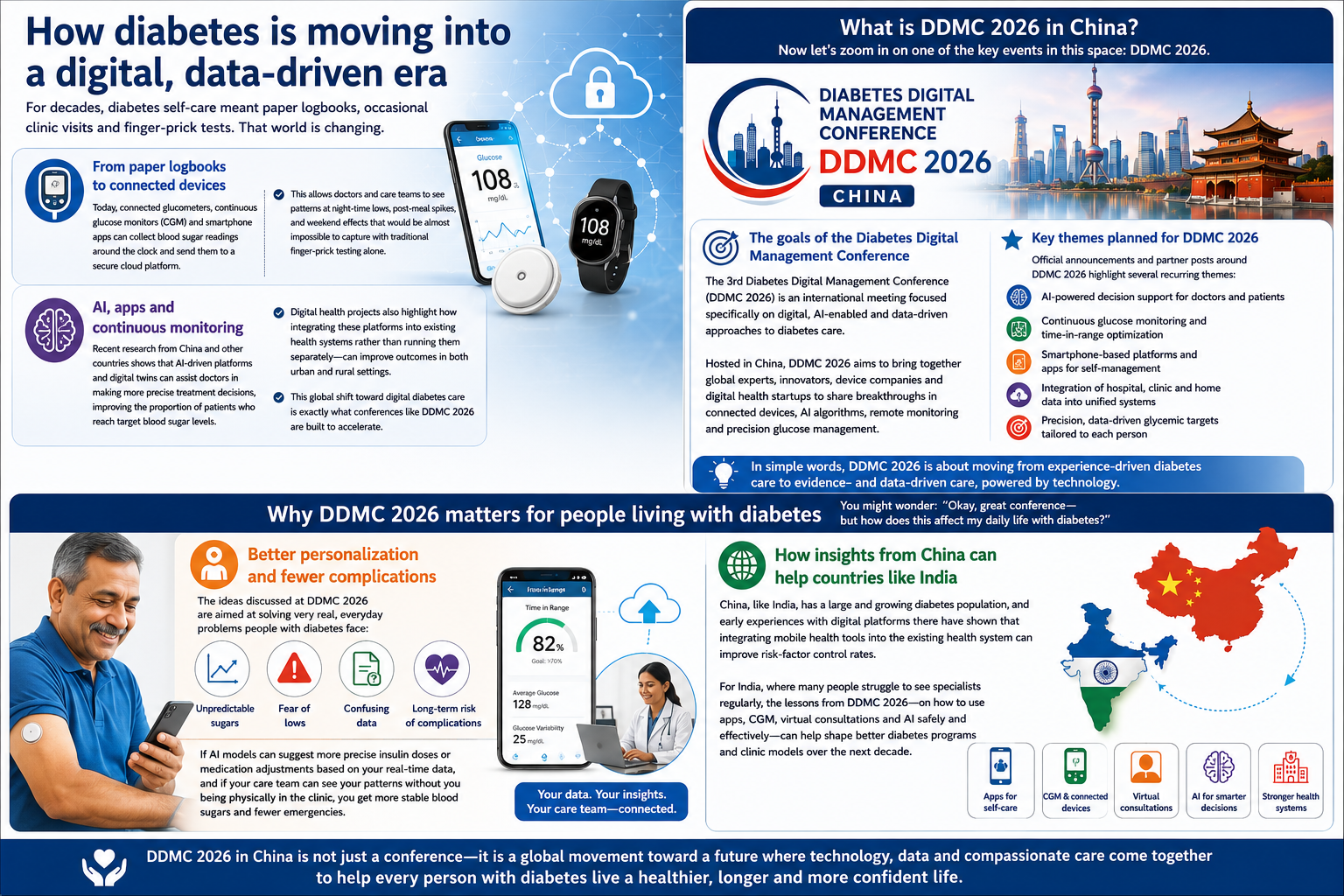
By If you or someone you love is living with diabetes, you already know it isn’t just a “sugar problem”: it affects how you eat, move, work, sleep and even think about the future.
At the same time, diabetes care is changing faster than ever, with digital tools, AI and global events like the Diabetes Digital Management Conference (DDMC) 2026 in China pushing the field into a new, data‑driven era.
DDMC 2026 is very important for India because:
- India has a huge diabetes problem
- 90 million adults with diabetes, possibly over 100 million by 2026
- Many undiagnosed, poorly controlled, and at high risk of complications
- DDMC 2026 focuses on exactly what India needs
- AI, CGM, apps, remote monitoring, and data-driven care
- These tools can help manage diabetes better at scale, especially in small towns and rural areas
- Real impact for India
- Better blood sugar control fewer heart attacks, strokes, kidney failure, blindness
- Lower long-term costs for families and the health system
- More patients can be reached remotely, easing pressure on doctors
- Boost for Indian digital health startups and medtech
- India’s representation matters
- Experts like Dr. Mudit from Dharma Diabetes & Metabolic Clinics bring global insights back to Indian patients
- Ensures Indian patients and doctors benefit from the latest digital diabetes innovations
What is diabetes and why does it matter now?
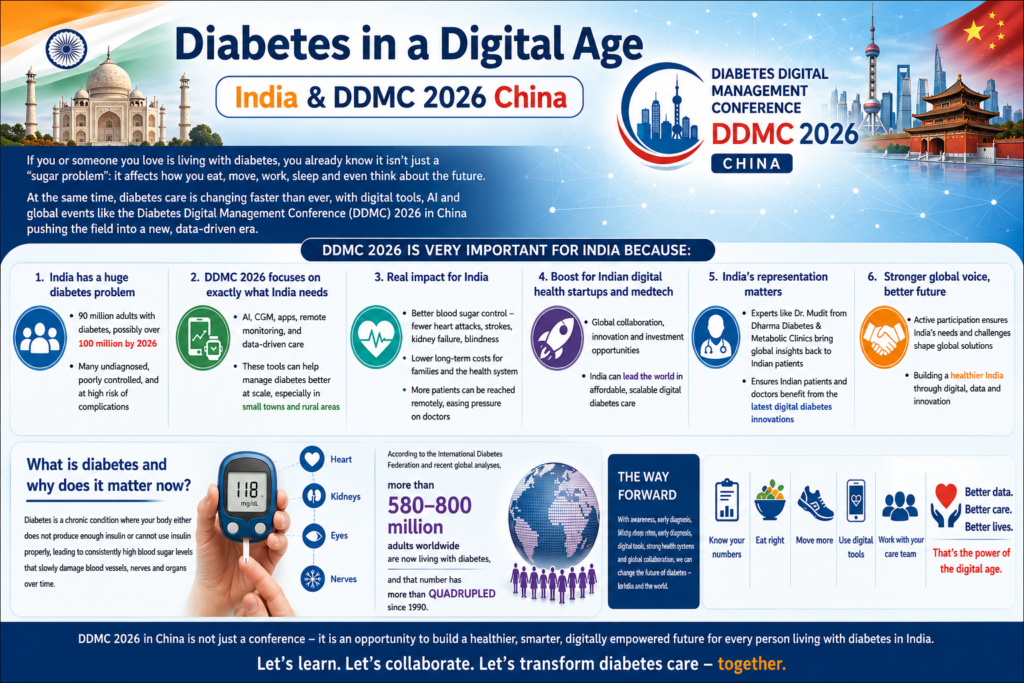
Diabetes is a chronic condition where your body either does not produce enough insulin or cannot use insulin properly, leading to consistently high blood sugar levels that slowly damage blood vessels, nerves and organs over time.
According to the International Diabetes Federation and recent global analyses, more than 580–800 million adults worldwide are now living with diabetes, and that number has more than quadrupled since 1990.
How diabetes affects your body
When blood sugar stays high, it doesn’t just show up on a lab report. It can quietly increase your risk of heart disease, stroke, kidney failure, nerve damage, vision loss and even amputations over years.
The danger is that many people feel “normal” in the early stages, so they don’t take diabetes seriously until complications have already started.
The growing global and Indian burden
India is one of the countries hit hardest by this trend. IDF estimates indicate around 89–90 million adults in India are living with diabetes, with prevalence above 10 percent in the adult population and rising.
Urbanization, changing diets, physical inactivity and longer life expectancy mean that cities like Delhi, Mumbai, Bangalore and others are seeing diabetes at younger ages, including in people in their 30s and 40s.
Types of diabetes: more than just “high sugar”
When most people say “diabetes,” they usually mean type 2, but there are different types, each with its own causes and treatment approach.
Type 1 diabetes
Type 1 diabetes is an autoimmune condition where the body’s immune system attacks the insulin‑producing cells in the pancreas.
People with type 1 diabetes need lifelong insulin and regular blood sugar monitoring, but with modern insulins, monitoring devices and education, they can live very active, full lives.
Type 2 diabetes
Type 2 diabetes is the most common type worldwide, closely linked to insulin resistance, excess body weight, unhealthy diet, low physical activity and genetic risk.
In India, type 2 diabetes is now being seen at younger ages and often co‑exists with high blood pressure and abnormal cholesterol, which together drive up the risk of heart attacks and strokes.
Prediabetes and gestational diabetes
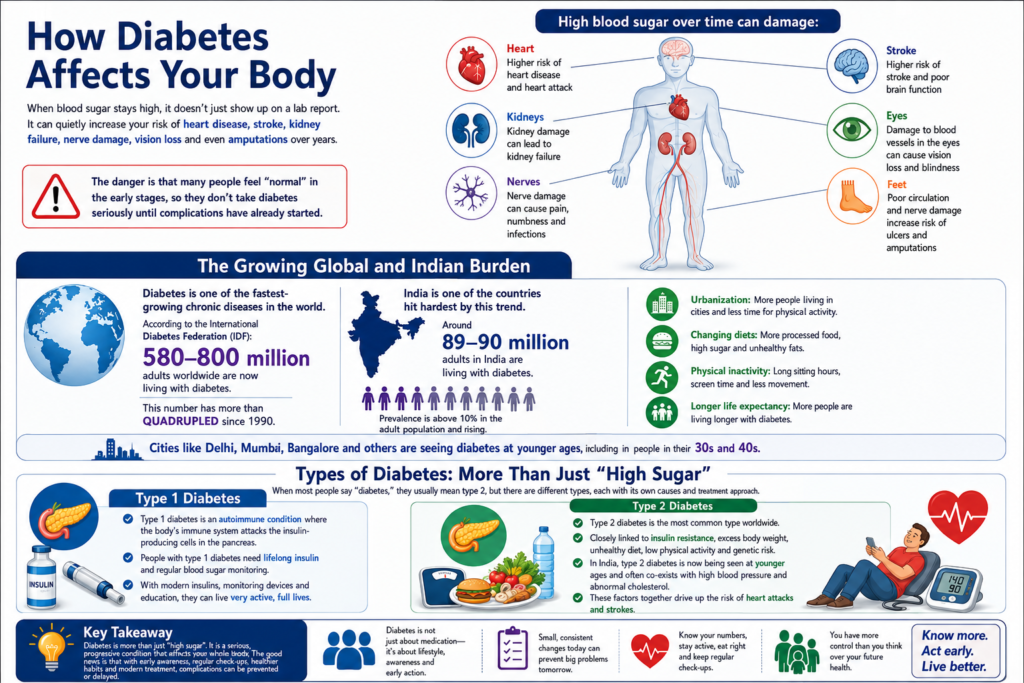
Prediabetes means your blood sugar is higher than normal but not yet in the diabetes range—this is a warning sign that you are on the way to type 2 diabetes if you don’t take action.
Gestational diabetes develops during pregnancy and usually goes away after delivery, but it increases the future risk of both the mother and the child developing type 2 diabetes, so regular follow‑up and lifestyle support are essential.
Symptoms and early warning signs you should not ignore
One of the most dangerous things about diabetes is how quietly it can begin.
Common early symptoms
Early symptoms often include:
- Frequent urination
- Increased thirst
- Feeling very tired
- Blurred vision
- Slow‑healing wounds
- Tingling or numbness in hands or feet
- Unexplained weight loss
These signs are well‑documented across clinical guides and patient resources.
Because these symptoms can be blamed on “stress” or “age,” many people delay getting tested until they feel really unwell.
When symptoms become an emergency
If you experience severe thirst, confusion, vomiting, difficulty breathing, extreme fatigue or sudden vision changes, these can be signs of very high or very low blood sugar and need urgent medical attention.
The safest rule: if something feels “off” for more than a couple of weeks, especially if you have risk factors like family history, overweight or past gestational diabetes, get a simple fasting sugar and HbA1c test done.
The short answer: Yes, in many cases type 2 diabetes can be delayed and sometimes even put into remission especially if you take action early.
Lifestyle changes backed by research
Large prevention programs and public‑health guidelines agree on three key pillars for reducing your risk of type 2 diabetes or slowing it down:
- Losing around 5–7 percent of your body weight if you are overweight
- Being active for at least 150 minutes per week (for example 30 minutes a day, five days a week)
- Following a reduced calorie, balanced diet with fewer sugary drinks and refined carbohydrates
Studies show that such lifestyle programs can reduce the progression from prediabetes to diabetes by up to about 58 percent in high‑risk adults.
What remission really means
Some people with type 2 diabetes, especially those diagnosed recently can achieve diabetes remission, where blood sugar stays in the non‑diabetic range without glucose‑lowering medication for a period of time.
Remission typically requires significant and sustained weight loss, dietary change and ongoing medical supervision, and even in remission, you still need regular monitoring because the underlying tendency to diabetes doesn’t vanish completely.
How diabetes is moving into a digital, data‑driven era
For decades, diabetes self‑care meant paper logbooks, occasional clinic visits and finger‑prick tests. That world is changing.
From paper logbooks to connected devices
Today, connected glucometers, continuous glucose monitors (CGM) and smartphone apps can collect blood sugar readings around the clock and send them to a secure cloud platform.
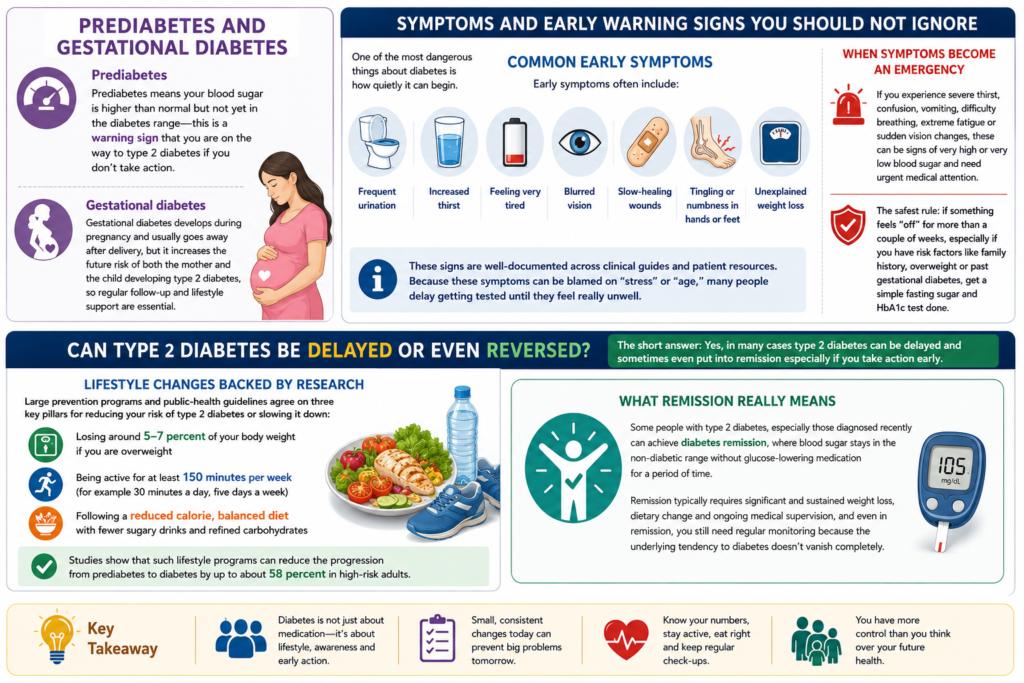
This allows doctors and care teams to see patterns at night‑time lows, post‑meal spikes, and weekend effects that would be almost impossible to capture with traditional finger‑prick testing alone.
AI, apps and continuous monitoring
Recent research from China and other countries shows that AI‑driven platforms and digital twins can assist doctors in making more precise treatment decisions, improving the proportion of patients who reach target blood sugar levels.
Digital health projects also highlight how integrating these platforms into existing health systems rather than running them separately—can improve outcomes in both urban and rural settings.
This global shift toward digital diabetes care is exactly what conferences like DDMC 2026 are built to accelerate.
What is DDMC 2026 in China?
Now let’s zoom in on one of the key events in this space: DDMC 2026.
The goals of the Diabetes Digital Management Conference
The 3rd Diabetes Digital Management Conference (DDMC 2026) is an international meeting focused specifically on digital, AI‑enabled and data‑driven approaches to diabetes care.
Hosted in China, DDMC 2026 aims to bring together global experts, innovators, device companies and digital health startups to share breakthroughs in connected devices, AI algorithms, remote monitoring and precision glucose management.
Key themes planned for DDMC 2026
Official announcements and partner posts around DDMC 2026 highlight several recurring themes:
- AI‑powered decision support for doctors and patients
- Continuous glucose monitoring and time‑in‑range optimization
- Smartphone‑based platforms and apps for self‑management
- Integration of hospital, clinic and home data into unified systems
- Precision, data‑driven glycemic targets tailored to each person
In simple words, DDMC 2026 is about moving from experience‑driven diabetes care to evidence‑ and data‑driven care, powered by technology.
Why DDMC 2026 matters for people living with diabetes
You might wonder: “Okay, great conference—but how does this affect my daily life with diabetes?”
Better personalization and fewer complications
The ideas discussed at DDMC 2026 are aimed at solving very real, everyday problems people with diabetes face: unpredictable sugars, fear of lows, confusing data and long‑term risk of complications.
If AI models can suggest more precise insulin doses or medication adjustments based on your real‑time data, and if your care team can see your patterns without you being physically in the clinic, you get more stable blood sugars and fewer emergencies.
How insights from China can help countries like India
China, like India, has a large and growing diabetes population, and early experiences with digital platforms there have shown that integrating mobile health tools into the existing health system can improve risk‑factor control rates.
For India, where many people struggle to see specialists regularly, the lessons from DDMC 2026—on how to use apps, CGM, virtual consultations and AI safely and effectively—can help shape better diabetes programs and clinic models over the next decade.
Who is Dr. Mudit Sabharwal?
Dr. Mudit Sabharwal is a senior Diabetologist and Director at Dharma Diabetes & Metabolic Clinics, with over 14–17 years of experience in diabetes and metabolic care in Delhi NCR.
He holds qualifications such as MBBS, FRCP (Edin, UK), DFM (UK), and a postgraduate diploma in diabetes from Cardiff University, along with fellowships like FID and FCMD, reflecting deep training in advanced diabetes care.
FAQs about diabetes and DDMC 2026
What is the main difference between type 1 and type 2 diabetes?
Type 1 diabetes is an autoimmune condition where the body stops producing insulin, usually requiring lifelong insulin from diagnosis, while type 2 diabetes is mainly driven by insulin resistance and is strongly linked to lifestyle and genetic risk.
Can lifestyle changes alone control type 2 diabetes?
Early on, losing weight, eating healthy, and exercising can help control your blood sugar and delay the need for medicine. However, many people will still need pills or insulin later. Always get medical advice from your doctor, not social media. .
What exactly is DDMC 2026?
DDMC 2026 is a global meeting in China focused on using AI and smart technology to manage diabetes. It brings together experts and companies from around the world to share the latest devices for better blood sugar control.
What are the early symptoms of diabetes I should watch for?
Early signs of diabetes include:
- Peeing often
- Feeling very thirsty or tired
- Blurry vision
- Slow-healing cuts
- Numb or tingling feet
- Losing weight without trying
If you have these symptoms for a few weeks, get a blood test (fasting sugar and HbA1c). This is especially important if you are over 40 or have a family history of diabetes.
How can digital tools like CGM and apps help me control diabetes?
Smart sugar monitors track your levels all day, catching patterns that finger-prick tests miss. They warn you of highs and lows, helping your doctor adjust your diet and medicine to make managing diabetes easier and safer.


1 Comment