
 By
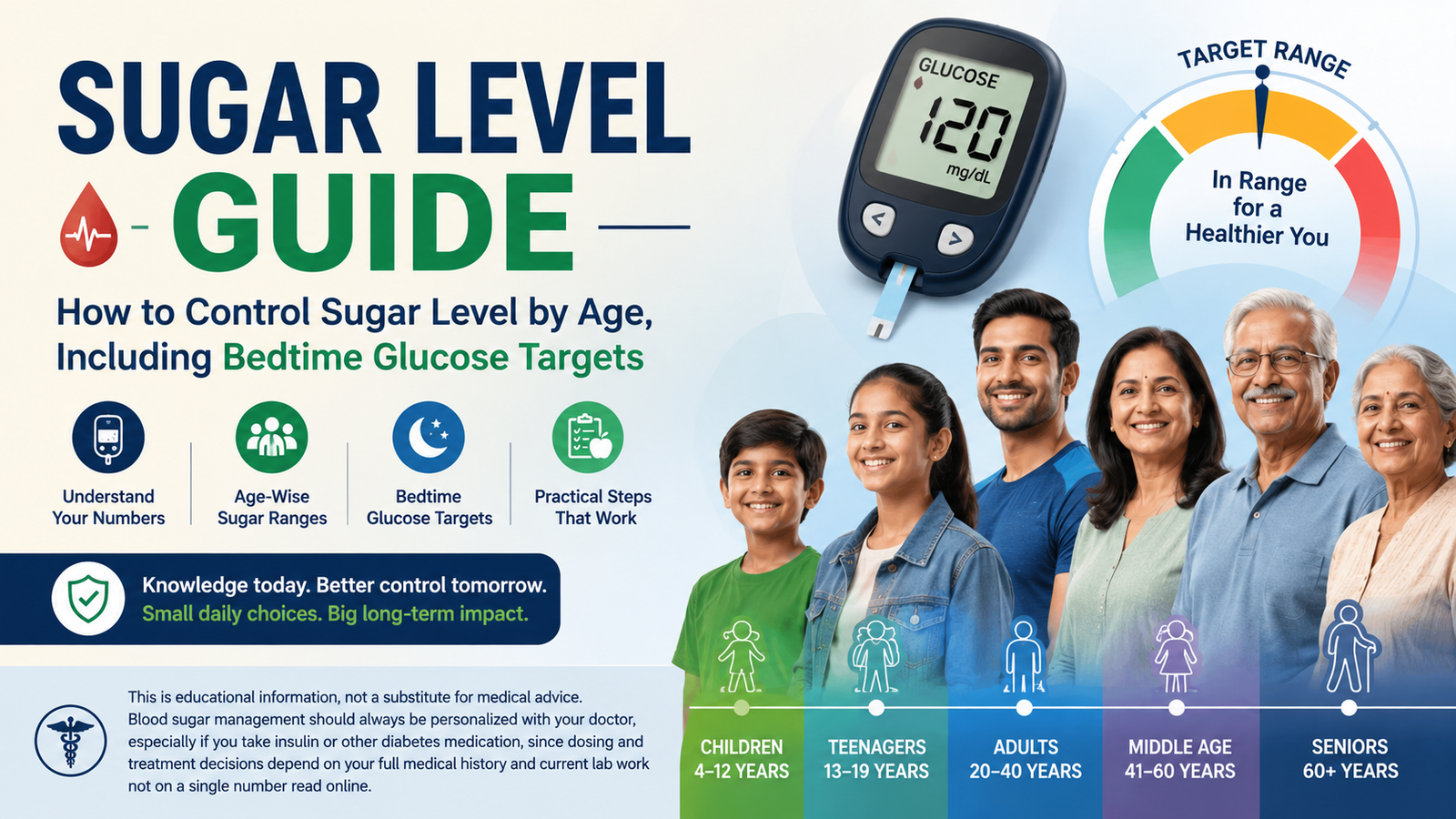
By Every day, thousands of people search for one thing after a lab report or a home glucometer reading: what does this number actually mean, and what do I do next? Whether you just saw “250” flash on your meter, you are trying to control blood sugar for a parent in their 60s, or you are wondering why your night-time readings keep creeping up, this guide walks through the numbers, the age-wise ranges, and the steps that actually move the needle.
This is educational information, not a substitute for medical advice. Blood sugar management should always be personalized with your doctor, especially if you take insulin or other diabetes medication, since dosing and treatment decisions depend on your full medical history and current lab work not on a single number read online. Medically reviewed by Dr. Mudit Sabharwal, MBBS, Diabetologist at Dharma Diabetes & Metabolic Clinics.
Hyperglycemia Meaning: What “High Sugar” Actually Means
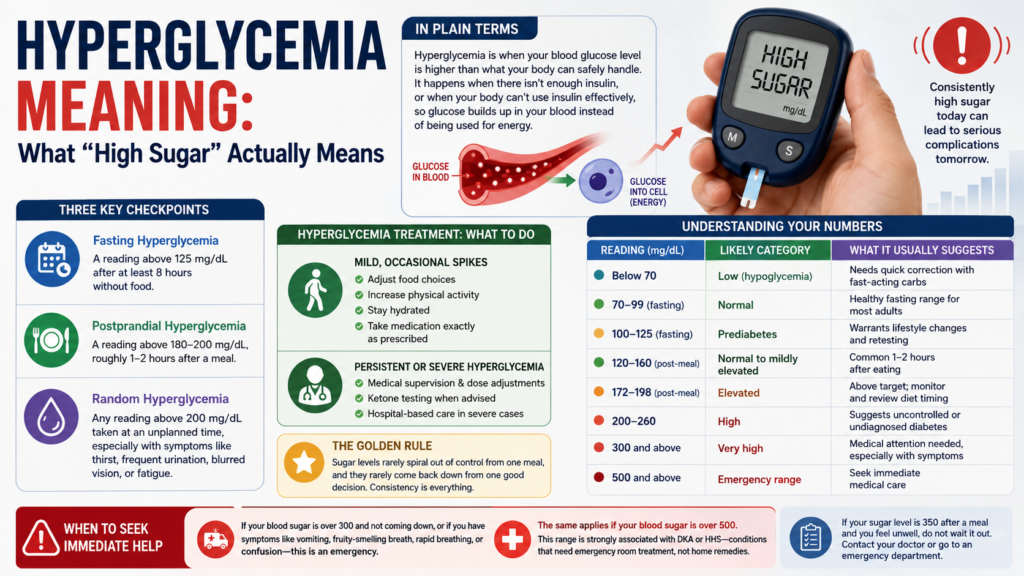
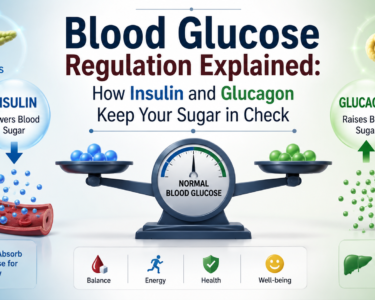
In plain terms, hyperglycemia is a blood glucose level that is higher than what your body can safely handle at that moment. It happens when there is not enough insulin in your system, or when the insulin you do have cannot move glucose out of the bloodstream and into your cells efficiently. The glucose then builds up in the blood instead of being used for energy.
Doctors generally describe hyperglycemia using three checkpoints:
- Fasting hyperglycemia: a reading above 125 mg/dL after at least eight hours without food.
- Postprandial hyperglycemia: a reading above 180 to 200 mg/dL, roughly one to two hours after a meal.
- Random hyperglycemia: any reading above 200 mg/dL taken at an unplanned time of day, especially alongside symptoms like thirst, frequent urination, blurred vision, or fatigue.
Hyperglycemia treatment depends heavily on the cause and severity. For mild, occasional spikes, treatment usually means adjusting food choices, increasing physical activity, staying hydrated, and taking medication exactly as prescribed. For persistent or severe hyperglycemia, treatment shifts toward medical supervision dose adjustments, ketone testing, and in some cases hospital-based care. The single most important rule in hyperglycemia treatment is consistency: sugar levels rarely spiral out of control from one meal, and they rarely come back down from one good decision either.
Understanding Your Numbers: What a Specific Reading Means
People rarely search in the abstract; they search with the exact number sitting in front of them. Here is a practical breakdown of what different readings tend to indicate, based on standard clinical reference ranges. These are general guides, not diagnoses.
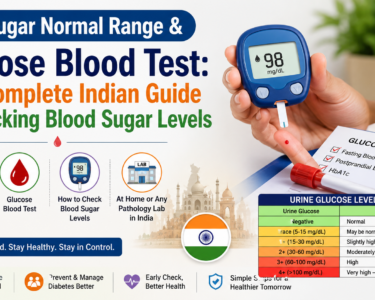
| Reading (mg/dL) | Likely Category | What It Usually Suggests |
| Below 70 | Low (hypoglycemia) | Needs quick correction with fast-acting carbs |
| 70–99 (fasting) | Normal | Healthy fasting range for most adults |
| 100–125 (fasting) | Prediabetes | Warrants lifestyle changes and retesting |
| 120–160 (post-meal) | Normal to mildly elevated | Common 1–2 hours after eating |
| 172–198 (post-meal) | Elevated | Above target; monitor and review diet timing |
| 200–260 | High | Suggests uncontrolled or undiagnosed diabetes |
| 300 and above | Very high | Medical attention needed, especially with symptoms |
| 500 and above | Emergency range | Seek immediate medical care |
So if your meter shows a 172 sugar level or a 198 sugar level after a meal, that is above the ideal post-meal target of under 140 mg/dL, but it is not, by itself, an emergency it is a signal to review your last meal, check your timing, and retest. A 220 sugar level, 240 sugar level, or 260 sugar level after a meal is a stronger signal that your diabetes management plan or an undiagnosed case of diabetes needs medical review soon, not eventually.
If your blood sugar is over 300 and it is not coming down, or if you have symptoms like vomiting, fruity-smelling breath, rapid breathing, or confusion, this is a genuine emergency. The same applies if your blood sugar is over 500: this range is strongly associated with diabetic ketoacidosis (DKA) or hyperosmolar hyperglycemic state (HHS), both of which need emergency room treatment, not home remedies. If your sugar level is 350 after a meal and you feel unwell, do not wait it out, contact your doctor or go to an emergency department.
What Affects Your Sugar Level Day to Day
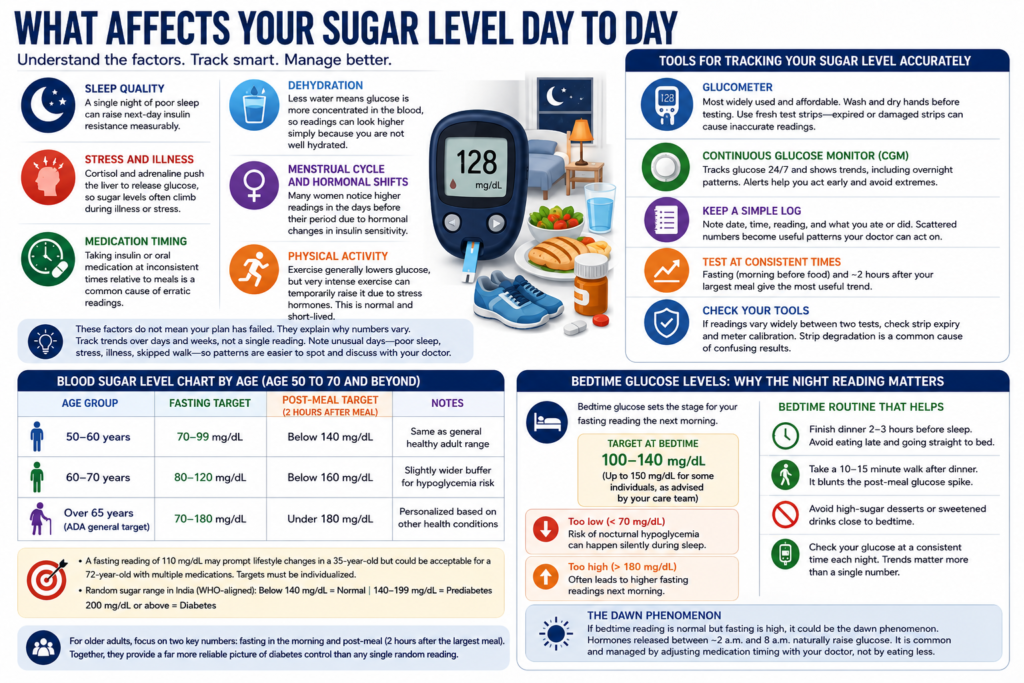
Two people can eat the same meal and see very different readings an hour later, because glucose response is shaped by far more than food alone. Understanding these factors helps explain why a number can look “off” even when you have not done anything differently.
- Sleep quality: A single night of poor sleep can raise next-day insulin resistance measurably, even in people without diabetes.
- Stress and illness: Cortisol and adrenaline, released during stress, infection, or fever, push the liver to release stored glucose, which is why sugar levels often climb during a cold or flu even without extra food.
- Medication timing: Taking insulin or oral medication at inconsistent times relative to meals is one of the most common, and most fixable, causes of erratic readings.
- Dehydration: Less water in the body means glucose is more concentrated in the blood, so a reading can look higher simply because you have not had enough fluids.
- Menstrual cycle and hormonal shifts: Many women notice higher readings in the days before their period, driven by hormonal changes in insulin sensitivity.
- Physical activity: Exercise generally lowers glucose, but very intense exercise can temporarily raise it due to stress hormones, which is a normal and short-lived effect.
None of these factors mean your management plan has failed. They simply explain why glucose monitoring works best as a trend over days and weeks, rather than a judgment on any single reading. Keeping a short note of unusual circumstances: a poor night’s sleep, a stressful day at work, a skipped walk next to your readings makes these patterns far easier to spot when you eventually review them with your doctor.
Tools for Tracking Your Sugar Level Accurately
Reliable numbers start with reliable measurement. A standard glucometer with fresh test strips remains the most widely used and affordable option in India, and accuracy improves significantly when you wash and dry your hands before testing, since even small amounts of fruit residue or hand cream can skew a reading. Continuous glucose monitors (CGMs) have become increasingly accessible and are especially useful for spotting overnight patterns, since they capture the bedtime-to-morning trend automatically instead of relying on a single manual test. For anyone managing diabetes reading chart data over time, keeping a simple log — date, time, reading, and what you ate turns scattered numbers into a pattern your doctor can actually act on during your next visit. Most glucometer models also store recent readings automatically, so even a basic device can generate a useful two-week trend if you remember to test at consistent times: first thing in the morning before eating, and roughly two hours after your largest meal. If your numbers vary widely between two consecutive tests taken minutes apart, it is worth checking the expiry date on your test strips and confirming the meter has been calibrated recently, since strip degradation is one of the most common and most overlooked causes of confusing readings.
Blood Sugar Level Chart by Age (Age 50 to 70 and Beyond)
What is normal blood sugar by age? The honest answer is that it does not change as dramatically as people expect, but doctors do widen the safe range for older adults because the risks of a low reading falls, confusion, and fainting often outweigh the risks of a slightly elevated one. Here is what is normal sugar level by age for adults in the 50-to-70 range and beyond, based on standard ADA reference points.
| Age Group | Fasting Target | Post-Meal Target | Notes |
| 50–60 years | 70–99 mg/dL | Below 140 mg/dL | Same as general healthy adult range |
| 60–70 years | 80–120 mg/dL | Below 160 mg/dL | Slightly wider buffer for hypoglycemia risk |
| Over 65 (ADA general target) | 70–180 mg/dL | Under 180 mg/dL | Personalized based on other health conditions |
This sugar level chart age wise breakdown matters because a fasting reading of 110 mg/dL might prompt lifestyle changes in a 35-year-old but could be considered acceptable for a 72-year-old already managing multiple medications. That is exactly why doctors resist giving one universal “normal” number and instead set individualized targets. Random sugar range in India, as reported across major hospital chains, generally follows the same WHO-aligned bands: below 140 mg/dL is normal, 140–199 mg/dL suggests prediabetes, and 200 mg/dL or above on a random test points toward diabetes.
If you are managing a diabetes reading chart for an older parent, keep two numbers in view at all times: the fasting range in the morning and the post-meal reading two hours after the largest meal of the day. Together, these two checkpoints give a far more reliable diabetes control chart than a single random reading.
Bedtime Glucose Levels: Why the Night Reading Matters
Bedtime glucose levels are one of the most overlooked numbers in day-to-day diabetes management, yet they set the stage for your entire fasting reading the next morning. Most clinical guidelines recommend a blood sugar level at bedtime of roughly 100 to 140 mg/dL for adults managing diabetes, with some care teams allowing up to 150 mg/dL depending on individual risk factors.
Type 2 diabetes blood sugar levels before bed deserve special attention, because overnight readings that run too low carry real risk nocturnal hypoglycemia can happen silently during sleep, without the usual warning signs like sweating or shakiness that appear while awake. On the other end, a bedtime reading consistently above 180 mg/dL usually means dinner, medication timing, or evening activity levels need adjustment, since that elevated number often carries into a higher fasting reading in the morning.
A simple bedtime routine that supports healthier overnight numbers includes:
- Finishing dinner at least two to three hours before sleep, rather than eating late and going straight to bed.
- Taking a short 10–15 minute walk after dinner, which measurably blunts the post-meal glucose spike.
- Avoiding high-sugar desserts or sweetened drinks close to bedtime, since these push glucose higher exactly when the body’s insulin sensitivity is naturally lower.
- Checking your glucose at a consistent time each night, so trends become visible over a week rather than judging a single reading in isolation.
One pattern worth knowing about specifically: if your bedtime reading looks fine but your fasting number is still high the next morning, this is often the “dawn phenomenon” a natural early-morning hormone release (roughly 2 a.m. to 8 a.m.) that raises glucose independent of anything you ate. It affects a large share of people with diabetes and is generally managed by adjusting medication timing with your doctor, not by eating less at dinner.
How to Control Sugar Level: Practical, Evidence-Based Steps
There is no single trick that works for everyone, because the right combination depends on whether you have type 1 diabetes, type 2 diabetes, prediabetes, or no diagnosis at all. That said, the following approaches are consistently supported across diabetes care guidelines for how to lower blood sugar and keep it stable.
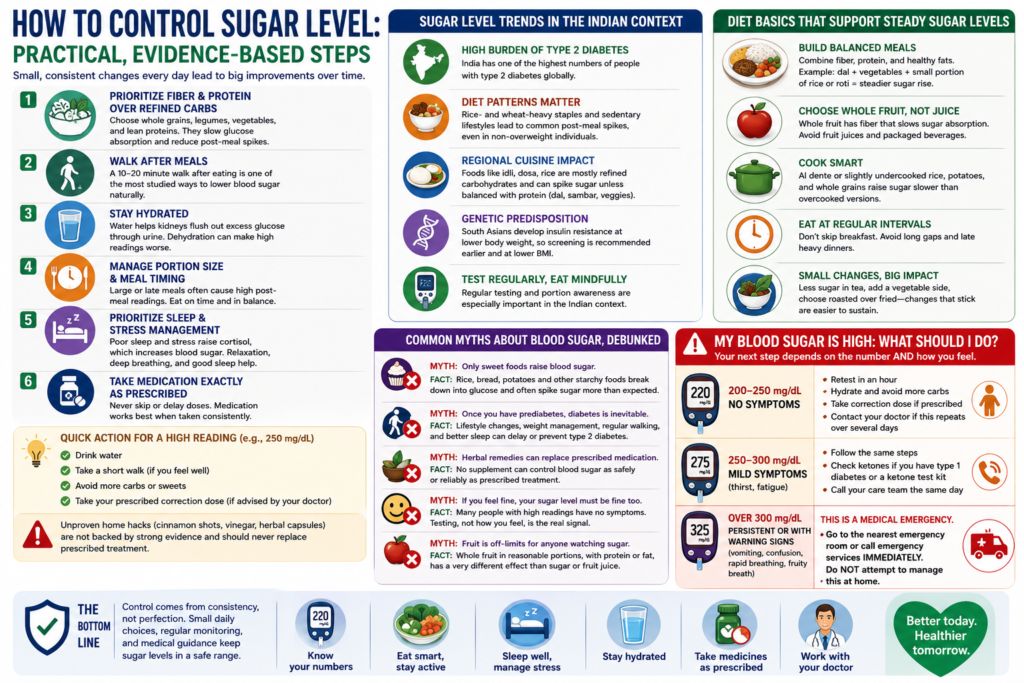
1. Prioritize fiber and protein over refined carbohydrates. Swapping white rice, maida-based snacks, and sugary beverages for whole grains, legumes, and vegetables slows glucose absorption and reduces the size of post-meal spikes.
2. Walk after meals. A 10–20 minute walk after eating is one of the most consistently studied home remedies for high blood sugar, because muscle activity pulls glucose out of the bloodstream without needing extra insulin.
3. Stay hydrated. Water helps the kidneys flush out excess glucose through urine, which is part of why dehydration makes high readings worse and why rehydrating is a first step in how to reduce blood sugar level immediately during a mild spike.
4. Manage portion size and meal timing. Large, irregular meals especially late at night are one of the most common reasons post-lunch blood sugar or post-dinner readings run high even in people who are otherwise careful about food choices.
5. Prioritize sleep and stress management. Poor sleep and chronic stress both raise cortisol, which pushes glucose levels up independent of diet. This is one of the most underrated home remedies for high sugar, particularly for people who already eat carefully but still see elevated morning readings.
6. Take medication exactly as prescribed. For diagnosed diabetics, no lifestyle step replaces prescribed insulin or oral medication. Skipping or delaying doses is one of the most common reasons for sudden, dangerous spikes.
When it comes to how to reduce sugar level fast during a single elevated reading say, a 250 sugar level after a heavy meal the safest immediate actions are: drink water, take a short walk if you feel well enough, avoid additional carbohydrates or sweets, and take your prescribed correction dose if your doctor has given you one. Instant sugar control through unproven home hacks (cinnamon shots, vinegar, unregulated herbal capsules) is not backed by strong clinical evidence and should never replace prescribed treatment, especially for anyone already diagnosed with diabetes.
Sugar Level Trends in the Indian Context
India carries one of the highest burdens of type 2 diabetes globally, and diet patterns here play a distinctive role. Rice- and wheat-heavy staples, combined with increasingly sedentary urban routines, mean that post-meal spikes are common even in people who are not overweight. Regional cuisine also matters: a typical South Indian breakfast of idli or dosa, while lower in fat than many Western breakfasts, is still largely refined-carbohydrate and can produce a sharper glucose rise than expected unless paired with sambar’s lentils and vegetables for balance. Genetic predisposition compounds that South Asians tend to develop insulin resistance at a lower body weight than other populations, which is part of why routine screening is recommended earlier and at lower BMI thresholds in Indian clinical guidelines compared to Western ones. None of this is cause for alarm on its own; it simply means regular testing and portion awareness matter more here than the general global averages might suggest.
Diet Basics That Support Steady Sugar Levels
Food choice matters more than almost any other single factor, and the good news is that the basics are simple even if sticking to them takes practice. Building meals around a mix of fiber, protein, and healthy fats slows how quickly glucose enters the bloodstream, which is why a plate of dal, vegetables, and a small portion of rice tends to produce a gentler rise than rice or roti eaten alone. Whole fruit is generally a better choice than fruit juice, since juicing removes the fiber that would otherwise slow sugar absorption. Cooking methods matter too because overcooked rice and potatoes tend to raise glucose faster than al dente or slightly undercooked versions of the same food, because starch structure changes with cooking time.
Spacing meals evenly through the day, rather than skipping breakfast and eating a large dinner, also helps prevent the sharp swings that make day-to-day control feel unpredictable. For anyone managing a family member’s diet, small consistent changes swapping sugary tea for less-sweetened versions, adding a vegetable side to every meal, replacing fried snacks with roasted alternatives tend to stick better long-term than dramatic overnight overhauls that are hard to sustain.
Common Myths About Blood Sugar, Debunked
Misinformation spreads quickly around this topic, partly because so many people are searching for a fast fix. A few corrections worth knowing:
Myth: Only sweet foods raise blood sugar. Rice, bread, potatoes, and other starchy foods break down into glucose just like sugar does, and often in larger amounts than people expect from a single serving.
Myth: Once you have prediabetes, diabetes is inevitable. Studies consistently show that lifestyle changes, modest weight loss, regular walking, and better sleep can delay or prevent the progression from prediabetes to type 2 diabetes for many people.
Myth: Herbal remedies can replace prescribed medication. No supplement has been shown to control blood sugar as reliably or safely as prescribed treatment. Herbal additions should only ever be discussed with a doctor, never used as a substitute.
Myth: If you feel fine, your sugar level must be fine too. Many people with significantly elevated readings feel completely normal, which is exactly why regular testing, not how you feel, is the more reliable signal.
Myth: Fruit is off-limits for anyone watching their sugar level. Whole fruit, eaten in reasonable portions and ideally with a source of protein or fat, has a very different effect on glucose than refined sugar or fruit juice.
My Blood Sugar Is High: What Should I Do?
If you are asking “my blood sugar is 250, what should I do” or “my blood sugar is over 200, what should I do,” the answer depends on how you feel, not just the number itself.
- 200–250 mg/dL, no symptoms: Retest in an hour, hydrate, avoid more carbs, and take your correction dose if prescribed. Contact your doctor if this repeats over several days.
- 250–300 mg/dL, mild symptoms (thirst, fatigue): Follow the same steps, but check ketones if you have type 1 diabetes or a ketone test kit at home, and call your care team the same day.
- Over 300 mg/dL, persistent or with vomiting, confusion, rapid breathing, or fruity-smelling breath: This is a medical emergency. Go to the nearest emergency room or call emergency services immediately. Do not attempt to manage this at home.
Frequently Asked Questions
What is hyperglycemia meaning in simple terms?
Hyperglycemia means blood sugar that is higher than the normal, healthy range generally above 125 mg/dL fasting or above 180 mg/dL after meals because the body cannot move glucose out of the blood efficiently.
How to control sugar level without medication?
For prediabetes or mild elevation, walking after meals, reducing refined carbohydrates, staying hydrated, sleeping well, and managing stress can meaningfully lower readings. Anyone already on medication should not stop it without medical guidance.
How to reduce blood sugar level immediately at home?
Drink water, take a short walk if you feel well, skip additional carbs or sweets, and follow your prescribed correction plan if you have one. If the level stays above 300 mg/dL or symptoms appear, seek medical care rather than continuing home management.
What is normal blood sugar by age for someone between 50 and 70?
Fasting targets generally sit between 70 and 99 mg/dL for ages 50–60, widening slightly to 80–120 mg/dL for ages 60–70, with post-meal readings ideally staying under 140–160 mg/dL depending on individual health..
Is a 250 sugar level after a meal dangerous?
It is elevated and worth acting on to hydrate, avoid more carbs, and retest but it is not immediately life-threatening unless it persists above 300 mg/dL or comes with symptoms like vomiting or confusion.
What should I do if my sugar level is 350 after a meal?
Treat this seriously. Check for ketones if applicable, contact your doctor the same day, and go to an emergency room if you have vomiting, abdominal pain, rapid breathing, or confusion.
Is the 172 or 198 sugar level after eating high?
Both are above the ideal post-meal target of under 140 mg/dL. They are not emergencies on their own but indicate a pattern worth discussing with a doctor, especially if repeated across several days.
Why is my blood sugar high in the morning even though I haven’t eaten anything?
This is usually the dawn phenomenon, a natural release of hormones like cortisol and growth hormone in the early morning hours that tells the liver to release stored glucose. It is common in both type 1 and type 2 diabetes and is managed by adjusting medication timing, not by skipping breakfast.
Does blood sugar naturally increase with age?
Not directly because of age itself, but age-related changes reduced insulin sensitivity, medication use, less muscle mass, and lower activity levels mean glucose control does tend to become more challenging in a person’s 50s, 60s, and beyond, which is why target ranges are set slightly wider for older adults.
Is 110 mg/dL fasting blood sugar normal?
A fasting reading of 110 mg/dL falls in the prediabetes range (100–125 mg/dL), not the normal range (70–99 mg/dL). It is not diabetes, but it is a signal worth acting on with diet, activity, and a follow-up test rather than ignoring.
What should blood sugar be at bedtime if I don’t have diabetes?
Non-diabetic adults generally see bedtime readings in the 70–100 mg/dL range. This is different from the 100–140 mg/dL bedtime target typically used for people managing type 2 diabetes, which is a distinction people often mix up when comparing readings.
Is it normal for blood sugar to drop while sleeping?
Yes, a modest overnight dip is normal and expected as the body uses less glucose at rest. A concerning drop is different if you wake up with symptoms like sweating, shakiness, or confusion, or a reading under 70 mg/dL, that is nocturnal hypoglycemia and worth discussing with your doctor.
Why does my blood sugar go up right after exercise?
Intense exercise triggers stress hormones like adrenaline, which can temporarily raise glucose even though exercise generally lowers it over time. This spike is usually short-lived; a lower-intensity walk tends to bring numbers down instead, which is why walking is more commonly recommended than intense training for everyday control.
What are healthy bedtime glucose levels?
Most guidelines suggest a blood sugar level at bedtime of roughly 100 to 140 mg/dL, though individual targets vary based on medication, hypoglycemia risk, and overall health.
The Bottom Line
Sugar level numbers are only useful when you know how to read them in context. Your age, your timing, and your symptoms all matter as much as the number on the screen. A single elevated post-lunch blood sugar reading is a nudge to adjust; a reading above 300 mg/dL with symptoms is a signal to get emergency care. Between those two extremes sits most of day-to-day diabetes management: consistent meals, regular movement, good sleep, and medication taken on schedule. If your readings are consistently outside your target range whatever your age the next right step is a conversation with your doctor, not another home remedy search.
Further Readings-
Diabetes
Heart Disease Explained: Everything You Need to Know
7 Day Diet to Lower Triglycerides: Complete Indian Meal Plan to Lower Triglycerides Naturally
Blood in Sputum: Causes, Warning Signs, and When to See a Doctor
7 Day Diet Plan for Weight Loss (Indian): Easy, Affordable & Proven Results


1 Comment